Arid Land Geography ›› 2026, Vol. 49 ›› Issue (6): 1203-1214.doi: 10.12118/j.issn.1000-6060.2025.390
• Vegetation and Pedology • Previous Articles Next Articles
LI Suyun1,2( ), ZHU Cunxiong1,2,3(), WANG Jing4, CHEN Guoqian1,2, SHI Feifei1,2
Received:2025-07-08
Revised:2025-09-28
Online:2026-06-25
Published:2026-06-29
Contact:
ZHU Cunxiong
E-mail:lisuyun_qh@163.com;zhucunxiong_2008@126.com
LI Suyun, ZHU Cunxiong, WANG Jing, CHEN Guoqian, SHI Feifei. Applicability and spatiotemporal variation analysis of SMAP ascending products to soil moisture in Qaidam Basin[J].Arid Land Geography, 2026, 49(6): 1203-1214.
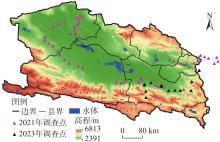
Fig. 1
Schematic diagram of the study area"
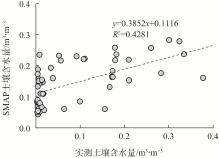
Fig. 2
Changes of SMAP and measured soil moisture content in Qaidam Basin"
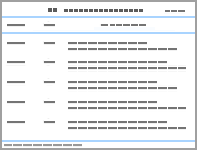
Tab. 1
Accuracy evaluation of SMAP"
| 类别 | r | Bias/m3·m-3 | RMSE/m3·m-3 | ubRMSE/m3·m-3 | |
|---|---|---|---|---|---|
| 总体 | - | 0.6543 | -0.0519 | 0.1063 | 0.0928 |
| 不同植被覆盖度(FVC) | FVC<0.3 | 0.3869 | -0.0821 | 0.1095 | 0.0724 |
| 0.3≤FVC<0.75 | 0.7438 | 0.0194 | 0.0891 | 0.0870 | |
| FVC≥0.75 | 0.1473 | 0.0431 | 0.1060 | 0.0969 | |
| 不同土地利用类型 | 草地 | 0.6423 | -0.0472 | 0.1117 | 0.1012 |
| 未利用地 | 0.6254 | -0.0613 | 0.1021 | 0.0816 | |
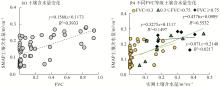
Fig. 3
Changes of SMAP with vegetation coverage and variations in SMAP and measured soil moisture content across different coverage levels in Qaidam Basin"
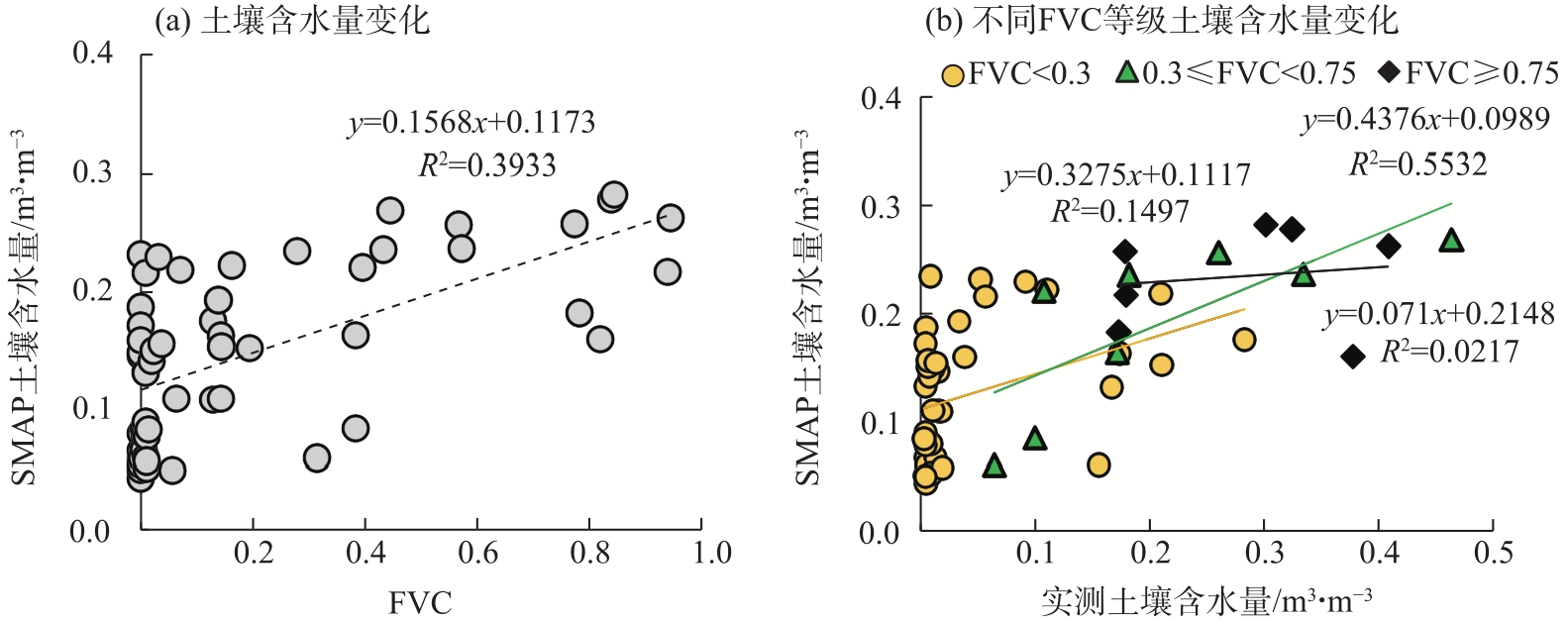
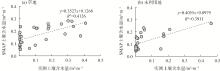
Fig. 4
Changes of SMAP and measured soil moisture content by land use types in Qaidam Basin"
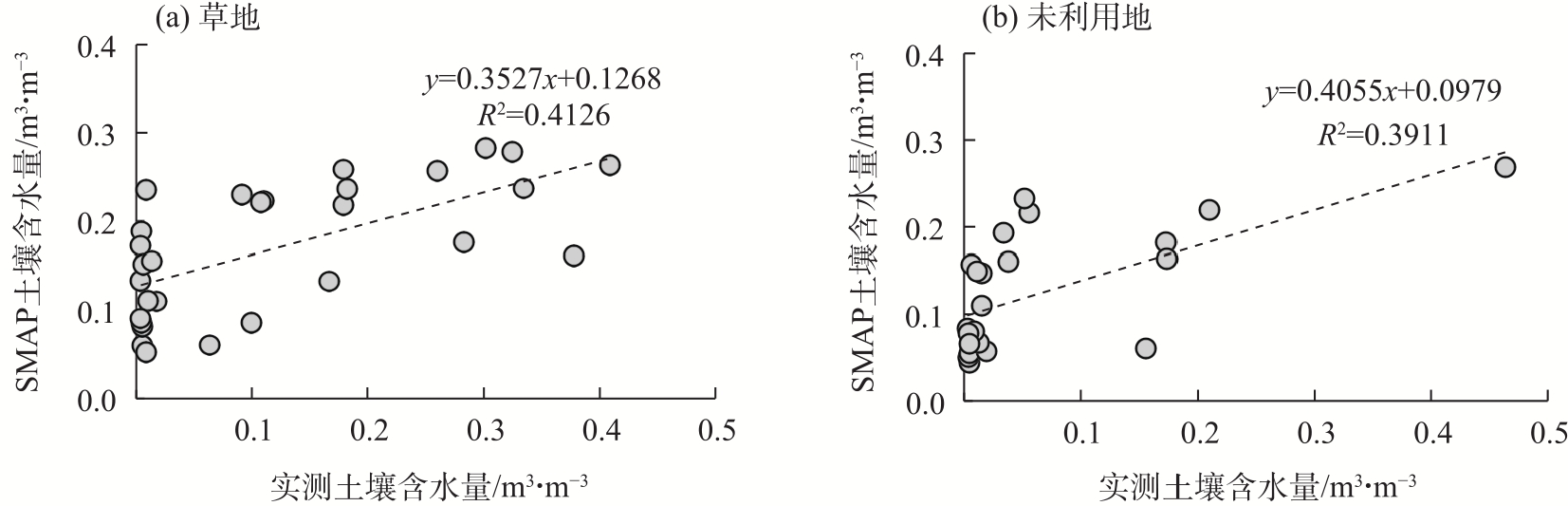
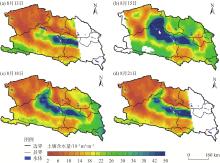
Fig. 5
Changes of soil moisture content in Qaidam Basin from August 13 to 21 in 2018"
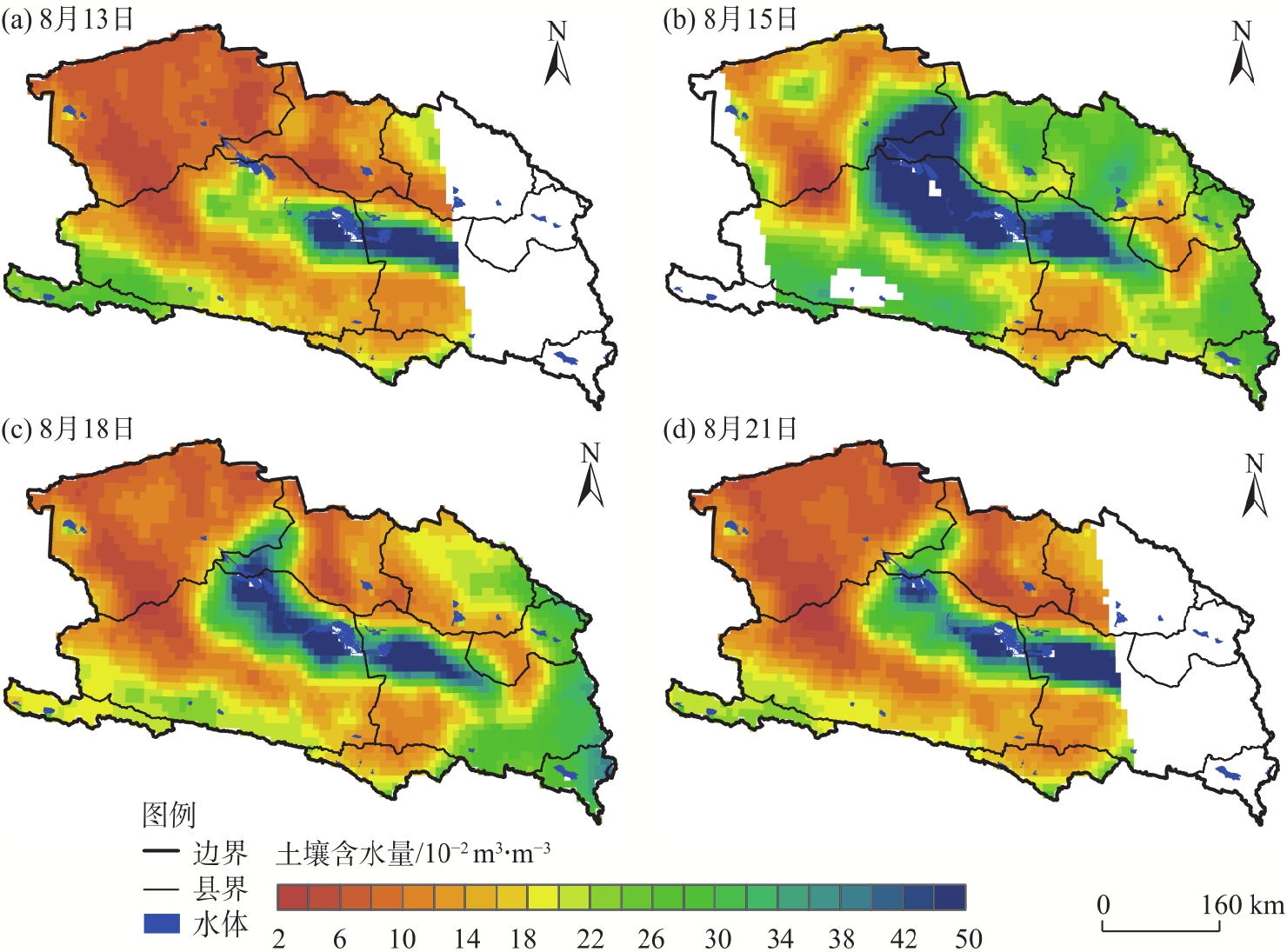
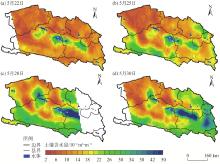
Fig. 6
Changes of soil moisture content in Qaidam Basin from May 22 to 30 in 2022"
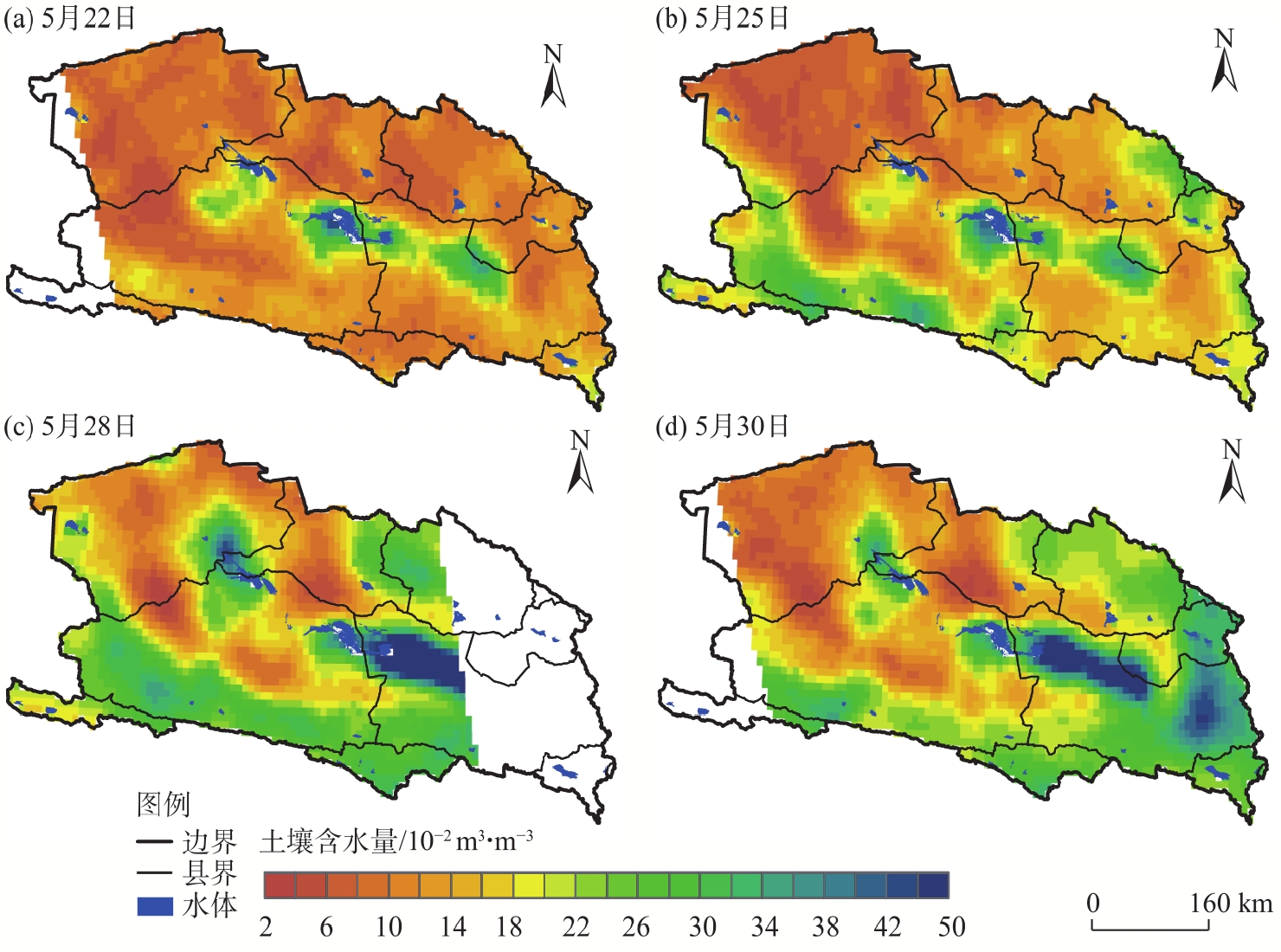
Fig. 7
Annual variation and spatial distribution of multi-year average soil moisture content during the glassland growing season in Qaidam Basin from 2015 to 2024"
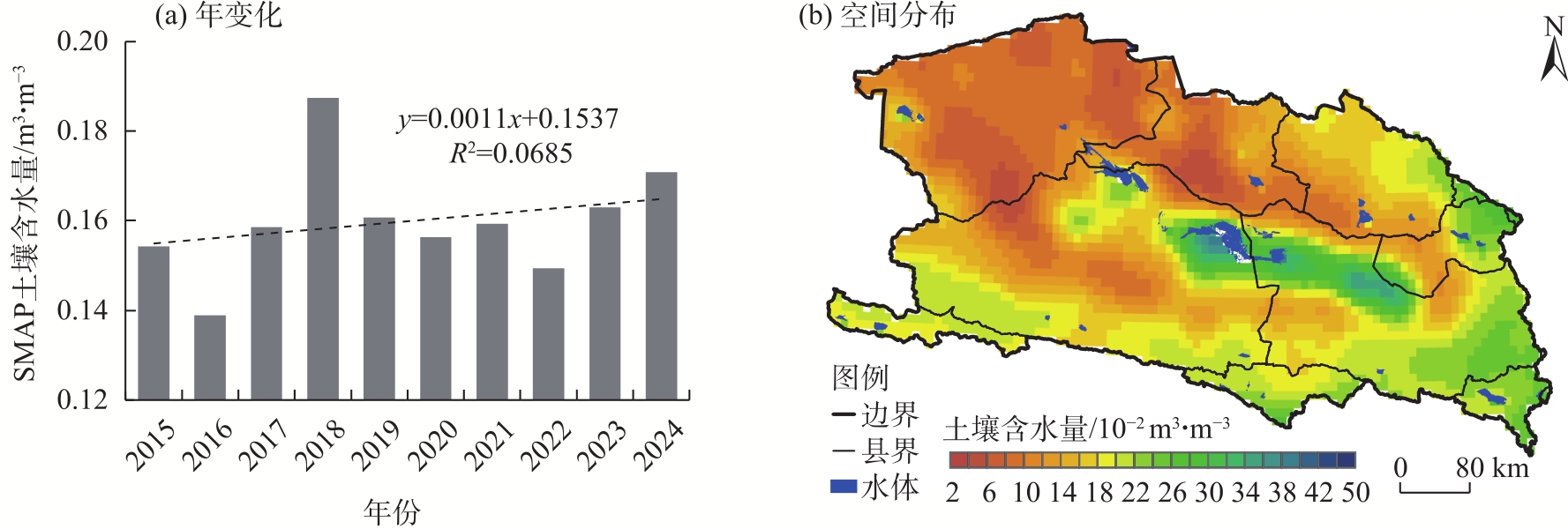
Fig. 8
Spatial distributions of trend change rate and significance tests of soil moisture content during the glassland growing season in Qaidam Basin from 2015 to 2024"
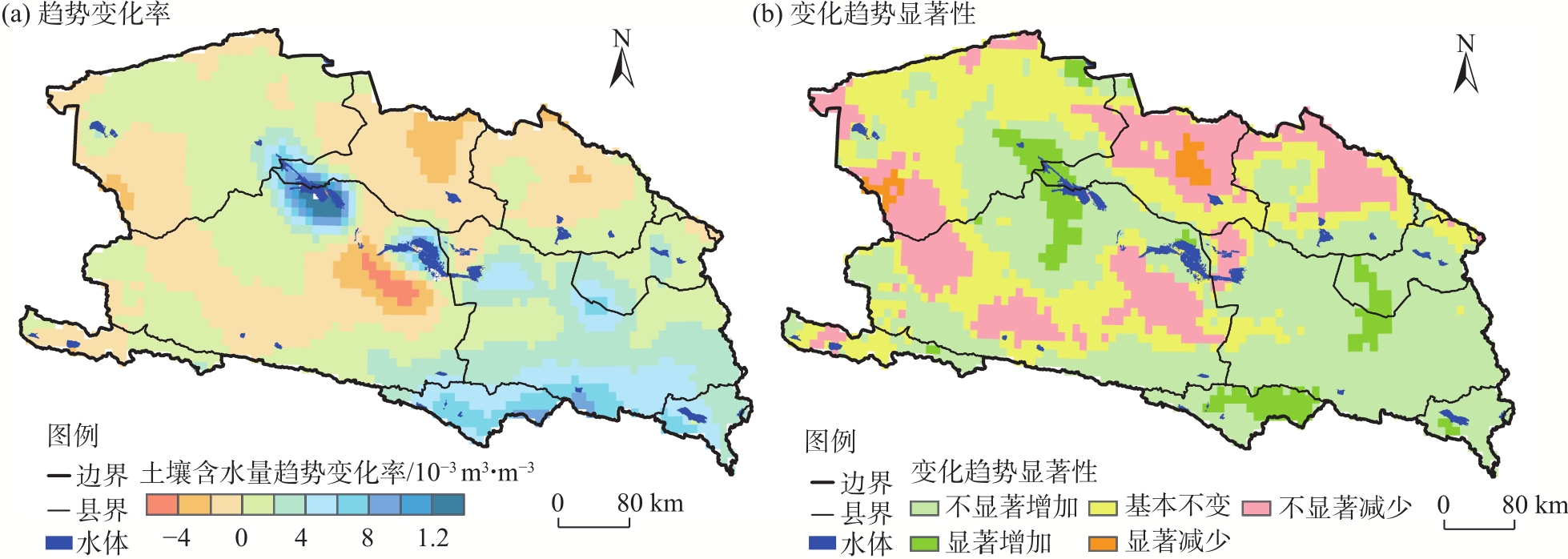
Fig. 9
Spatial distribution of soil moisture content stability during the glassland growing season in Qaidam Basin from 2015 to 2024"
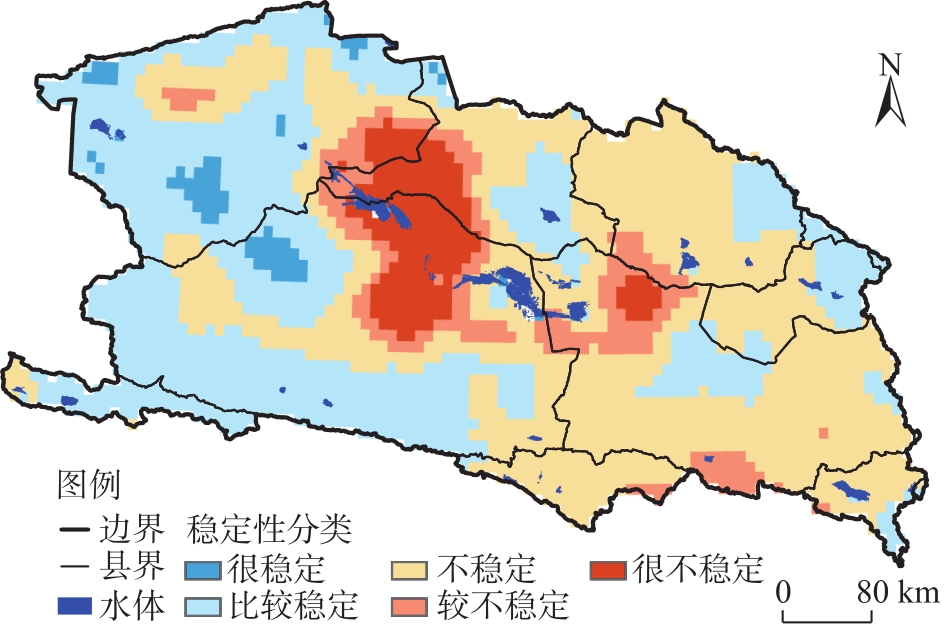
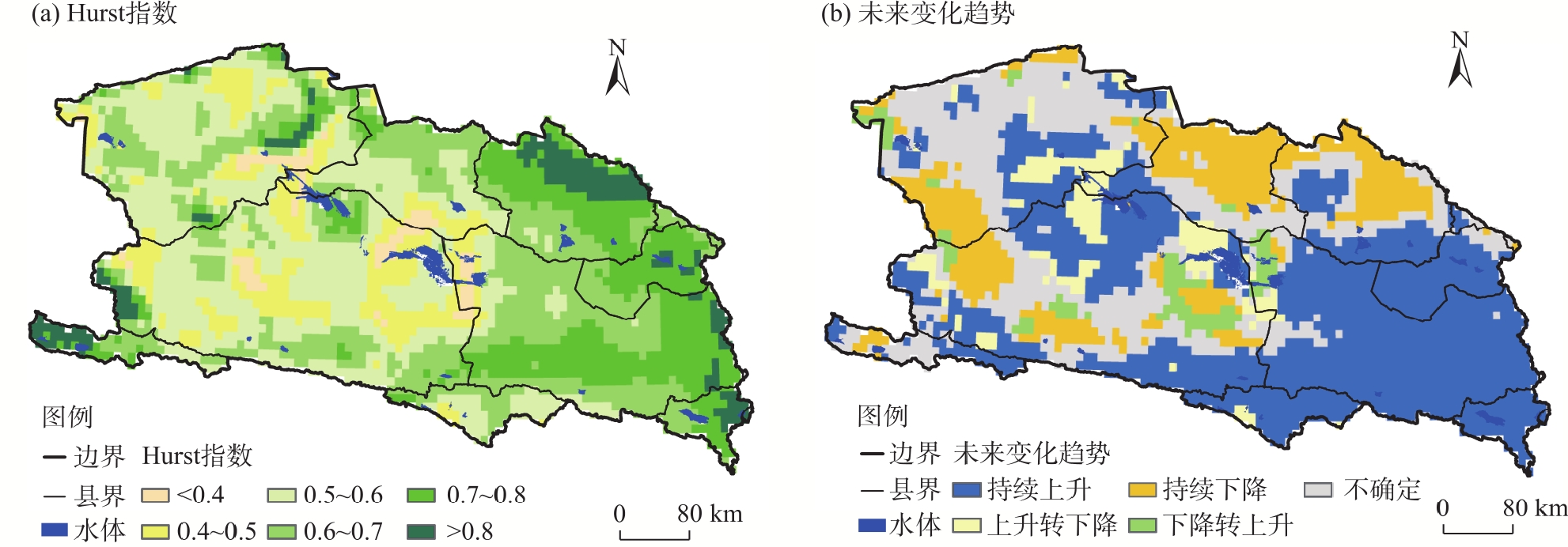
Fig. 10
Spatial distributions of Hurst index and future change trends of soil moisture content during the glassland growing season in Qaidam Basin from 2015 to 2024"
| [1] |
Chai X, Shi P L, Song M H, et al. The relative controls of temperature and soil moisture on the start of carbon flux phenology and net ecosystem production in two alpine meadows on the Qinghai-Tibetan Plateau[J]. Journal of Plant Ecology, 2020, 13(2): 247-255.
doi: 10.1093/jpe/rtaa007 |
| [2] |
郑思齐, 陈媛媛, 吴艳红, 等. 基于水域面积的鄱阳湖区干旱特征及气象-水文干旱传播过程研究[J]. 地球信息科学学报, 2025, 27(4): 1011-1023.
doi: 10.12082/dqxxkx.2025.240688 |
| [Zheng Siqi, Chen Yuanyuan, Wu Yanhong, et al. Characterizing drought and meteorological-hydrological propagation in Poyang Lake using satellite-observed water extent[J]. Journal of Geo-Information Science, 2025, 27(4): 1011-1023. ] | |
| [3] | 祝存兄, 樊启顺, 严应存, 等. 1990年以来柴达木盆地小柴旦湖扩张及影响分析[J]. 湖泊科学, 2024, 36(3): 927-938. |
|
[Zhu Cunxiong, Fan Qishun, Yan Yingcun, et al. Analysis of expansion and influence of the Xiao Qaidam Lake in Qaidam Basin since 1990[J]. Journal of Lake Sciences, 2024, 36(3): 927-938. ]
doi: 10.18307/2024.0344 |
|
| [4] | 杨运航, 文广超, 谢洪波, 等. 柴达木盆地典型地貌单元归一化植被指数变化特征[J]. 水土保持通报, 2020, 40(4): 133-139. |
| [Yang Yunhang, Wen Guangchao, Xie Hongbo, et al. Characteristics of normalized vegetation index under typical geomorphic units in Qaidam Basin[J]. Bulletin of Soil and Water Conservation, 2020, 40(4): 133-139. ] | |
| [5] | 蒋瑞瑞, 甘甫平, 郭艺, 等. 土壤水分多源卫星遥感联合反演研究进展[J]. 自然资源遥感, 2024, 36(1): 1-13. |
| [Jiang Ruirui, Gan Fuping, Guo Yi, et al. Progress in research on the joint inversion for soil moisture using multi-source satellite remote sensing data[J]. Remote Sensing for Natural Resources, 2024, 36(1): 1-13. ] | |
| [6] |
王皓, 郝莹, 袁松, 等. SMAP土壤水分产品在淮河流域的适用性评估[J]. 遥感技术与应用, 2021, 36(5): 1009-1021.
doi: 10.11873/j.issn.1004-0323.2021.5.1009 |
| [Wang Hao, Hao Ying, Yuan Song, et al. Applicability assessment of SMAP soil moisture products in the Huaihe River Basin[J]. Remote Sensing Technology and Application, 2021, 36(5): 1009-1021. ] | |
| [7] | Xing Z P, Li X J, Fan L. Assessment of 9 km SMAP soil moisture: Evidence of narrowing the gap between satellite retrievals and model-based reanalysis[J]. Remote Sensing of Environment, 2023, 296: 113721, doi: 10.1016/j.rse.2023.113721. |
| [8] |
Colliander A, Jackson T J, Bindlish R, et al. Validation of SMAP surface soil moisture products with core validation sites[J]. Remote Sensing of Environment, 2017, 191: 215-231.
doi: 10.1016/j.rse.2017.01.021 |
| [9] | Sun Y Y, Huang S F, Ma J W, et al. Preliminary evaluation of the SMAP radiometer soil moisture product over China using in situ data[J]. Remote Sensing, 2017, 9(3): 292, doi: 10.3390/rs9030292. |
| [10] | 陈泓羽, 吴静, 李纯斌, 等. 卫星土壤水分产品在青藏高原地区的适用性评价[J]. 生态学报, 2020, 40(24): 9195-9207. |
| [Chen Hongyu, Wu Jing, Li Chunbin, et al. Applicability evaluation of satellite soil moisture products in Qinghai-Tibet Plateau[J]. Acta Ecologica Sinica, 2020, 40(24): 9195-9207. ] | |
| [11] | 拉巴, 边巴次仁, 拉珍, 等. 青藏高原土壤水分时空变化特征及其与气候变化的关系研究[J]. 高原科学研究, 2023, 7(1): 1-8. |
| [ Lhaba, Bianba Ciren, Lhazhen, et al. Spatiotemporal variation characteristics of soil moisture and its relationship with climate change on the Qinghai-Tibet Plateau[J]. Plateau Science Research, 2023, 7(1): 1-8. ] | |
| [12] |
杨娜, 汤燕杰, 张宁馨, 等. 基于SMOS、SMAP数据的青藏高原季风及植被生长季土壤水分长消特征研究[J]. 遥感技术与应用, 2022, 37(6): 1373-1384.
doi: 10.11873/j.issn.1004-0323.2022.6.1373 |
| [Yang Na, Tang Yanjie, Zhang Ningxin, et al. Research on the characteristics of soil moisture in the Qinghai-Tibet Plateau during monsoon and vegetation growing season based on SMOS and SMAP data[J]. Remote Sensing Technology and Application, 2022, 37(6): 1373-1384. ] | |
| [13] | 许婉彤, 曾彪, 李博, 等. 柴达木盆地气候变化区域性特征及其影响因素[J]. 兰州大学学报(自然科学版), 2019, 55(3): 357-372. |
| [Xu Wantong, Zeng Biao, Li Bo, et al. Regional differentiation of climate changes in Qaidam Basin and its influencing factors[J]. Journal of Lanzhou University (Natural Sciences), 2019, 55(3): 357-372. ] | |
| [14] | 韩进军. 气候变化背景下柴达木盆地荒漠化时空演变及驱动力研究[D]. 青海: 中国科学院大学(中国科学院青海盐湖研究所), 2023. |
| [Han Jinjun. Study on spatiotemporal evolution and driving forces of desertification in Qaidam Basin under the background of climate change[D]. Qinghai: Qinghai Institute of Salt Lakes, Chinese Academy of Sciences, 2023. ] | |
| [15] |
陈家利, 郑东海, 庞国锦, 等. 基于SMAP亮温数据反演青藏高原玛曲区域土壤未冻水[J]. 遥感技术与应用, 2020, 35(1): 48-57.
doi: 10.11873/j.issn.1004-0323.2020.1.0048 |
| [Chen Jiali, Zheng Donghai, Pang Guojin, et al. Retrieval of soil unfrozen water in Maqu Region of Tibetan Plateau based on SMAP brightness temperature measurement[J]. Remote Sensing Technology and Application, 2020, 35(1): 48-57. ] | |
| [16] | 荆琛琳. SMAP、CCI和CLDAS土壤湿度产品在青藏高原典型区域的比较验证[J]. 亚热带资源与环境学报, 2020, 15(1): 85-94. |
| [Jing Chenlin. Comparative evaluation of SMAP & CCI & CLDAS soil moisture products in typical region of Qinghai-Tibet Plateau[J]. Journal of Subtropical Resources and Environment, 2020, 15(1): 85-94. ] | |
| [17] | 高吉喜, 史园莉, 张宏伟, 等. 中国区域250米植被覆盖度数据集(2000—2023)[DB/OL]. [2025-07-24]. https://cstr.cn/18406.11.Terre.tpdc.300330. |
| [Gao Jixi, Shi Yuanli, Zhang Hongwei, et al. China regional 250 m fractional vegetation cover dataset (2000—2023)[DB/OL]. [2025-07-24]. https://cstr.cn/18406.11.Terre.tpdc.300330. ] | |
| [18] | 郭建晓, 桑会勇, 翟亮. 青藏高原植被覆盖度时空变化特征及其驱动因素[J]. 生态学杂志, 2023, 42(11): 2665-2674. |
|
[Guo Jianxiao, Sang Huiyong, Zhai Liang. Spatiotemporal variations and driving factors of vegetation coverage on the Qinghai-Tibet Plateau[J]. Chinese Journal of Ecology, 2023, 42(11): 2665-2674. ]
doi: 10.13292/j.1000-4890.202311.020 |
|
| [19] | 徐新良, 刘纪远, 张树文, 等. 中国多时期土地利用遥感监测数据集(CNLUCC)[DB/OL]. [2025-07-01]. http://www.resdc.cn. |
| [Xu Xinliang, Liu Jiyuan, Zhang Shuwen, et al. China multi-period land use remote sensing monitoring dataset (CNLUCC)[DB/OL]. [2025-07-01]. http://www.resdc.cn.] | |
| [20] | 高晓瑜, 张莎, 屈忠义, 等. 内蒙古不同气候区域参考作物腾发量估算模型适用性分析[J]. 干旱地区农业研究, 2022, 40(2): 222-231. |
| [Gao Xiaoyu, Zhang Sha, Qu Zhongyi, et al. Applicability of reference evapotranspiration estimation model in different climatic regions of Inner Mongolia[J]. Agricultural Research in the Arid Areas, 2022, 40(2): 222-231. ] | |
| [21] |
王朋, 石玉立. 青海地区TRMM 3B43降水产品融合降尺度与时空特征分析[J]. 干旱区地理, 2024, 47(7): 1136-1146.
doi: 10.12118/j.issn.1000-6060.2023.559 |
|
[Wang Peng, Shi Yuli. Fused-downscaling framework and spatiotemporal characteristics of TRMM 3B43 precipitation product in the Qinghai region[J]. Arid Land Geography, 2024, 47(7): 1136-1146. ]
doi: 10.12118/j.issn.1000-6060.2023.559 |
|
| [22] |
侯迎, 刘雯惠, 褚阳, 等. 贺兰山东麓绿洲多层次土壤水分亏缺及其影响因素的时空分析[J]. 干旱区地理, 2025, 48(4): 649-660.
doi: 10.12118/j.issn.1000-6060.2024.242 |
|
[Hou Ying, Liu Wenhui, Chu Yang, et al. Spatio-temporal analysis of multi-layered soil moisture deficit and its influencing factors in the oases at the eastern foothill of Helan Mountains[J]. Arid Land Geography, 2025, 48(4): 649-660. ]
doi: 10.12118/j.issn.1000-6060.2024.242 |
|
| [23] |
曹晓云, 祝存兄, 陈国茜, 等. 2000—2021年柴达木盆地地表绿度变化及地形分异研究[J]. 生态环境学报, 2022, 31(6): 1080-1090.
doi: 10.16258/j.cnki.1674-5906.2022.06.002 |
| [Cao Xiaoyun, Zhu Cunxiong, Chen Guoqian, et al. Surface greenness change and topographic differentiation over Qaidam Basin from 2000 to 2021[J]. Ecology and Environmental Sciences, 2022, 31(6): 1080-1090. ] | |
| [24] | 董金义, 罗敏, 孟凡浩, 等. 蒙古高原土壤水分时空格局演变特征分析[J]. 水土保持研究, 2024, 31(2): 110-121. |
| [Dong Jinyi, Luo Min, Meng Fanhao, et al. Characteristics of spatiotemporal pattern evolution of soil moisture in the Mongolian Plateau[J]. Research of Soil and Water Conservation, 2024, 31(2): 110-121. ] | |
| [25] |
邢梦祥, 郑江华, 李刚勇, 等. 2001—2020年塔城地区草地健康时空变化特征及其驱动力分析[J]. 干旱区地理, 2025, 48(4): 673-688.
doi: 10.12118/j.issn.1000-6060.2024.392 |
|
[Xing Mengxiang, Zheng Jianghua, Li Gangyong, et al. Spatiotemporal dynamics and driving forces of grassland health in Tacheng Prefecture from 2001 to 2020[J]. Arid Land Geography, 2025, 48(4): 673-688. ]
doi: 10.12118/j.issn.1000-6060.2024.392 |
|
| [26] | 刘智源, 李继红. 2000—2020年黑龙江省植被时空变化对气候因子响应[J]. 森林工程, 2024, 40(1): 85-97. |
| [Liu Zhiyuan, Li Jihong. Responses of temporal and spatial changes of vegetation to climate factors in Heilongjiang Province from 2000 to 2020[J]. Forest Engineering, 2024, 40(1): 85-97. ] | |
| [27] | Fan X W, Liu Y B, Gan G J, et al. SMAP underestimates soil moisture in vegetation-disturbed areas primarily as a result of biased surface temperature data[J]. Remote Sensing of Environment, 2020, 247: 111914, doi: 10.1016/j.rse.2020.111914. |
| [28] | Fan X W, Zhao X S, Liu Y G, et al. Soil salinity dynamics impairs radiometer-based soil moisture retrieval over global cropland[J]. IEEE Transactions on Geoscience and Remote Sensing, 2022, 60: 5304309, doi: 10.1109/tgrs.2022.3181586. |
| [29] | 白晓, 张兰慧, 王一博, 等. 祁连山区不同土地覆被类型下土壤水分变异特征[J]. 水土保持研究, 2017, 24(2): 17-25. |
| [Bai Xiao, Zhang Lanhui, Wang Yibo, et al. Variations of soil moisture under different land use and land cover types in the Qilian Mountain[J]. Research of Soil and Water Conservation, 2017, 24(2): 17-25. ] | |
| [30] | 胡万里, 刘宏斌, 鲁耀, 等. 南方丘陵区耕地磷素地表径流流失特征研究[J]. 西南农业学报, 2016, 29(11): 2676-2681. |
| [Hu Wanli, Liu Hongbin, Lu Yao, et al. Research on phosphorus runoff of farmland in south hilly region[J]. Southwest China Journal of Agricultural Sciences, 2016, 29(11): 2676-2681. ] | |
| [31] | 马云飞, 孙瑞静, 陈洁, 等. 2001—2020年东北三省土壤水分时空动态及其气候响应[J]. 沙漠与绿洲气象, 2025, 19(2): 126-134. |
| [Ma Yunfei, Sun Ruijing, Chen Jie, et al. Spatial-temporal dynamics of soil moisture and its climate response in three provinces of northeast China from 2001 to 2020[J]. Desert and Oasis Meteorology, 2025, 19(2): 126-134. ] | |
| [32] |
陈勇强, 杨娜, 胡新, 等. SMOS与SMAP过境时段表层土壤水分的稳定性研究[J]. 遥感技术与应用, 2020, 35(1): 58-64.
doi: 10.11873/j.issn.1004-0323.2020.1.0058 |
| [Chen Yongqiang, Yang Na, Hu Xin, et al. Study on stability of surface soil moisture during SMOS and SMAP transit period[J]. Remote Sensing Technology and Application, 2020, 35(1): 58-64. ] | |
| [33] | Lin R C, Xu X H, Zhang X P, et al. Surface soil moisture estimation taking into account the land use and fractional vegetation cover by multi-source remote sensing[J]. Agriculture, 2025, 15(5): 497, doi: 10.3390/agriculture15050497. |
| [34] |
Chan S K, Bindlish R, O’Neill P E, et al. Assessment of the SMAP passive soil moisture product[J]. IEEE Transactions on Geoscience and Remote Sensing, 2016, 54(8): 4994-5007.
doi: 10.1109/TGRS.2016.2561938 |
|
||

