Arid Land Geography ›› 2026, Vol. 49 ›› Issue (10): 1993-2005.doi: 10.12118/j.issn.1000-6060.2025.474
• Digital Empowerment for Rural Development • Previous Articles Next Articles
LEI Ting1( ), ZHANG Lina1(), LU Hao1,2
Received:2025-08-06
Revised:2025-09-12
Online:2026-10-25
Published:2026-10-26
Contact:
ZHANG Lina
E-mail:ltvzbj@126.com;107552300173@stu.xju.edu.cn
LEI Ting, ZHANG Lina, LU Hao. Spatiotemporal variations in the level of digital village construction in China and heterogeneity of its driving factors[J].Arid Land Geography, 2026, 49(10): 1993-2005.
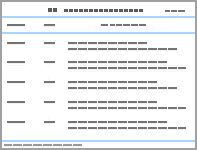
Tab. 1
Construction of the evaluation indicator system and data sources for digital village construction levels"
| 一级指标 | 二级指标 | 二级指标解释 | 数据来源 | 单位 | 权重 |
|---|---|---|---|---|---|
| 乡村数字 基础设施 | 农村投递线路密度(+) | 投递段道上向农村用户投交的路线长度 | 《中国统计年鉴》 《中国民政统计年鉴》 | km·(104km2)-1 | 0.0334 |
| 光缆线路覆盖率(+) | 光缆线路的长度/行政区面积 | 《中国统计年鉴》 《中国民政统计年鉴》 | km·(104km2)-1 | 0.0298 | |
| 社会数字产业固定投资(+) | 人均信息传输、软件和信息技术服务业固定 资产投资额 | 《中国统计年鉴》 | 104元·人-1 | 0.0321 | |
| 农村互联网普及(+) | 农村人均互联网宽带接入端口数 | 《中国统计年鉴》 | - | 0.0387 | |
| 农村电力应用(+) | 农村人均用电量 | 《中国统计年鉴》 | 104 kWh·人-1 | 0.0424 | |
| 农村邮政站点覆盖率(-) | 平均每一邮政营业网点服务人口数 | 《中国统计年鉴》 | 个·(104人)-1 | 0.0252 | |
| 农业生产环境检测情况(+) | 环境与农业气象观测业务站点个数 | 《中国统计年鉴》 | 个 | 0.0287 | |
| 乡村经济 数字化 | 企业电子商务覆盖率(+) | 有电子商务交易活动企业占总企业数比重 | 《中国工业统计年鉴》 | % | 0.0470 |
| 数字金融发展水平(+) | 农村数字普惠金融投资指数 | 北京大学数字金融研究 中心发布的数字普惠 金融指数 | - | 0.0484 | |
| 乡村建设数字人才占比(+) | 农业技术人员/第一产业从业人员数 | 《中国科技统计年鉴》 《中国统计年鉴》 | % | 0.0800 | |
| 农业科技创新水平(+) | 有效发明专利数/专利申请数 | 《中国科技统计年鉴》 | % | 0.0523 | |
| 农业机械化水平(+) | 农用机械总动力/耕地面积 | 《中国农村统计年鉴》 | kW·hm-2 | 0.0297 | |
| 农村数字交易水平(+) | 农村人均电子商务销售额和采购额 | 《中国统计年鉴》 | 104元·人-1 | 0.0341 | |
| 乡村治理 数字化 | 财政资金供给水平(+) | 地方财政农林水事务支出/财政一般预算支出 | 《中国统计年鉴》 | % | 0.0456 |
| 农村居民数字素养(+) | 农村居民大专及以上学历人数占比 | 《中国统计年鉴》 | % | 0.0322 | |
| 乡村数字治理政策关注度(+) | 政府工作报告中关于乡村数字治理的频次 | 各省级政府工作报告 文本中统计 | 次 | 0.0343 | |
| 网络信息公开水平(+) | 农业农村部门网站公开信息数量 | 农业农村部门官方 网站统计 | 条 | 0.0236 | |
| 乡村治理水平(+) | 乡村治理示范村数量 | 农业农村部《乡村治理 示范名单》 | 个 | 0.0408 | |
| 电子政务发展水平(+) | 省级政府网上政务服务能力 | 《中国电子政务发展 调查报告》 | 分 | 0.0288 | |
| 乡村生活 数字化 | 农村固定投资(+) | 农村住户人均固定资产投资完成额 | 《中国农村统计年鉴》 | 108元·人-1 | 0.0285 |
| 社会数字服务固定投资(+) | 人均交通运输、仓储和邮政业固定资产投资 | 《中国统计年鉴》 | 104元·人-1 | 0.0283 | |
| 农村邮政通达水平(+) | 已通邮的行政村比重 | 《中国统计年鉴》 | % | 0.0210 | |
| 农村移动数字设备普及率(+) | 农村居民每百户拥有的移动电话数量 | 《中国统计年鉴》 | 部·(100户)-1 | 0.0253 | |
| 农村信息服务消费水平(+) | 农村居民人均交通通讯支出占比 | 《中国住户调查年鉴》 | % | 0.0417 | |
| 农村计算机普及率(+) | 农村每百人拥有计算机数 | 《中国统计年鉴》 | 台·(100人)-1 | 0.0480 | |
| 农村电视机普及率(+) | 农村每百户有电视 | 《中国统计年鉴》 | 台·(100户)-1 | 0.0798 |
Tab. 2
Selection of driving factors for digital village construction levels"
| 驱动因素 | 衡量方式 |
|---|---|
| 地方财政科技投入 | 地方财政科技投入占财政支出的比值 |
| 信息化水平 | 邮电业务总量与地区生产总值的比值 |
| 乡村数字基础设施建设 | 借鉴伍先福等[ |
| 科技创新水平 | 农业三类专利数量总和 |
| 数字交易水平 | 农村电子商务销售额和采购额/ 地区生产总值 |
| 人力资本水平 | (文盲人数×0+小学学历人数×6+初中学历人数×9+高中和中专学历人数×12+大专及本科以上学历人数×16)/6岁以上人口总数 |
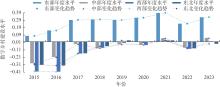
Fig. 1
Digital village construction levels and their changing trend by region"
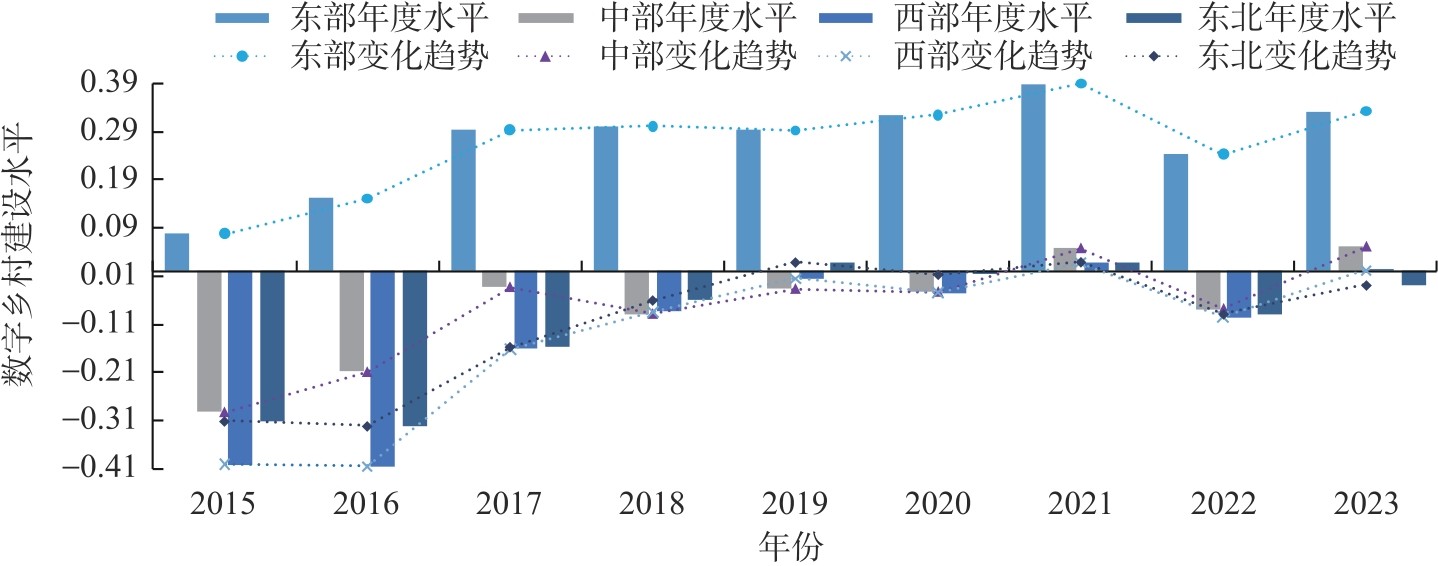
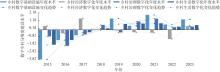
Fig. 2
Digital village construction levels and their changing trend by dimension"
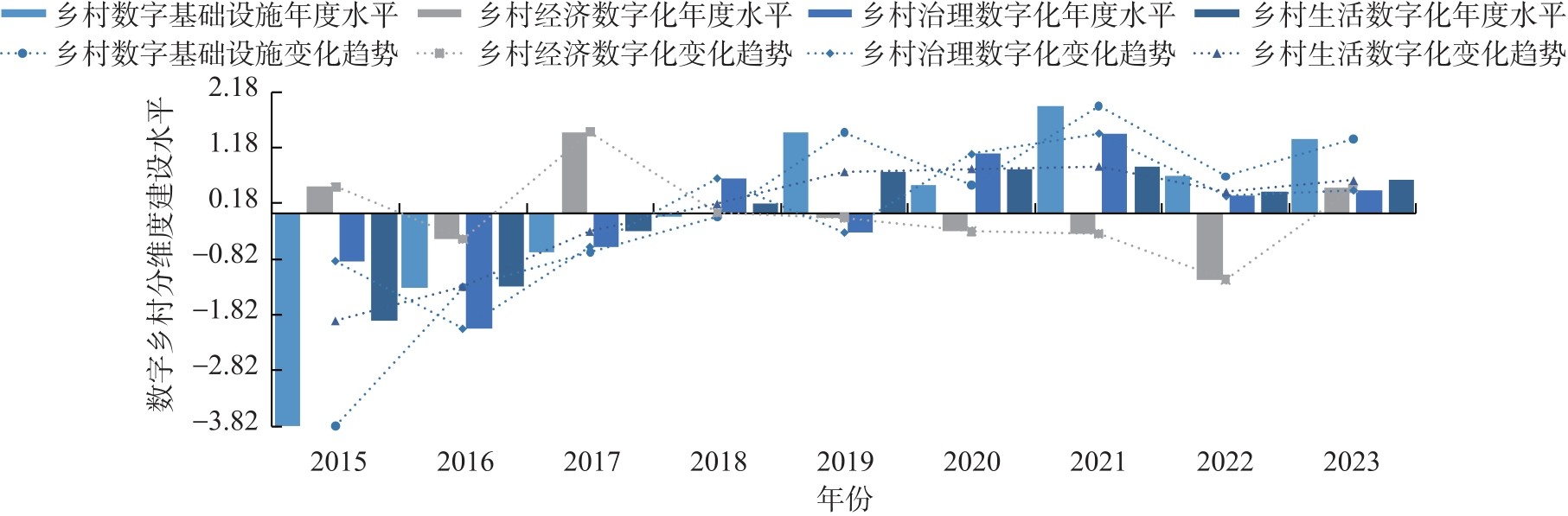
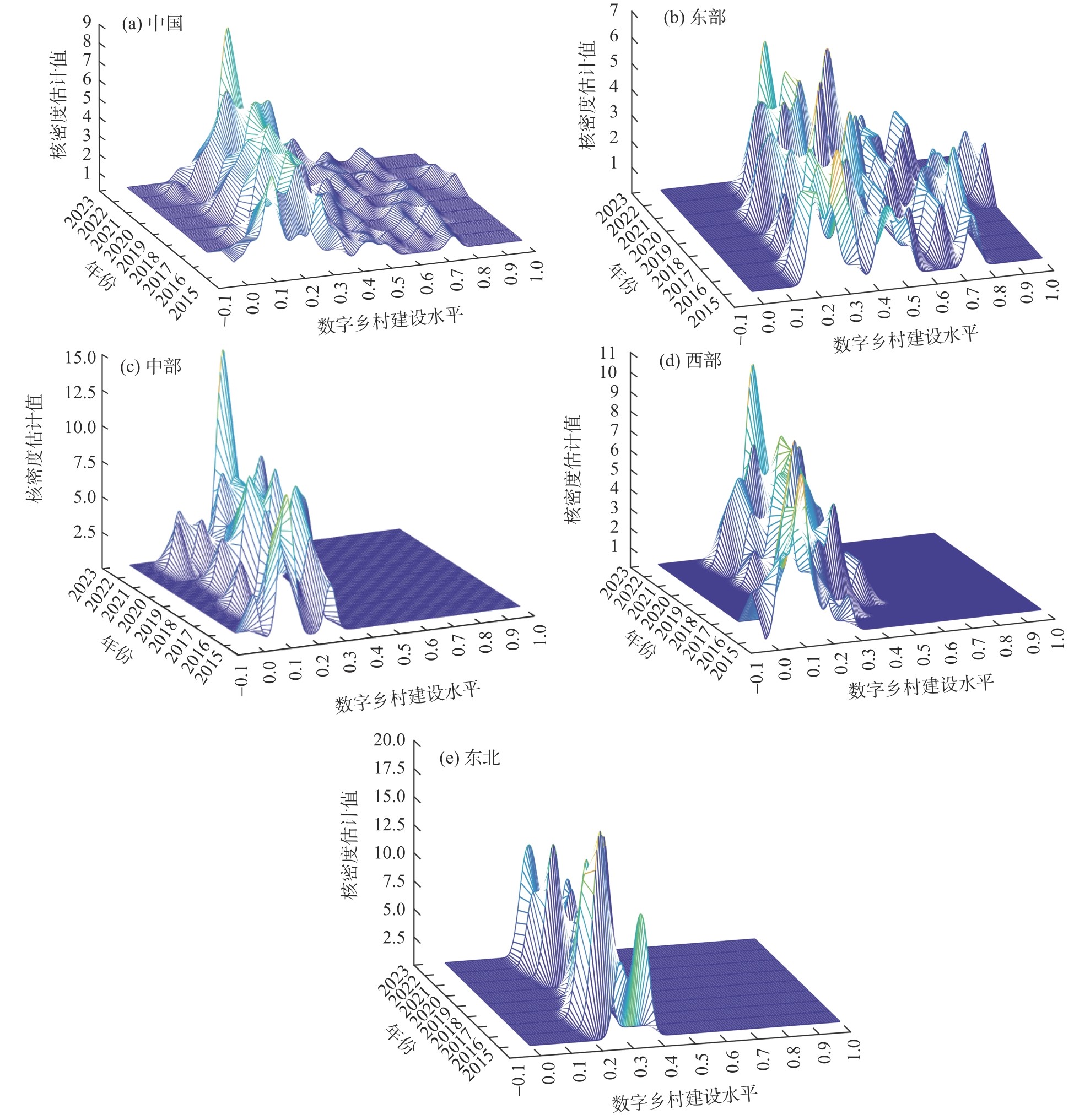
Fig. 3
Dynamic evolution of digital village construction levels in China and its four major regions"
Tab. 3
Evolutionary characteristics of digital village construction levels in China and its four major regions"
| 地区 | 分布位置 | 主峰分布态势 | 分布延展性 | 极化趋势 |
|---|---|---|---|---|
| 中国 | 显著右移 | 峰值降低,形态趋于扁平化 | 右尾拉长,宽度显著增加 | 有极化现象 |
| 东部 | 显著右移 | 峰值降低,形态扁平化 | 右尾剧烈拉长,出现极端高值 | 有极化现象 |
| 中部 | 稳定右移 | 峰值变化相对缓和,形态较为集中 | 双侧延展,宽度温和增加 | 无明显极化现象 |
| 西部 | 温和右移 | 峰值波动下降,形态由集中走向分散 | 右尾延展,宽度明显增加 | 两极分化 |
| 东北 | 右移缓慢甚至徘徊 | 峰值降低但不显著,形态始终较为陡峭 | 延展性差,呈现双向收缩 | 无明显极化现象 |
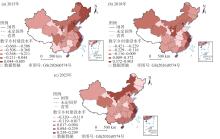
Fig. 4
Spatiotemporal distributions of digital village construction levels in China"
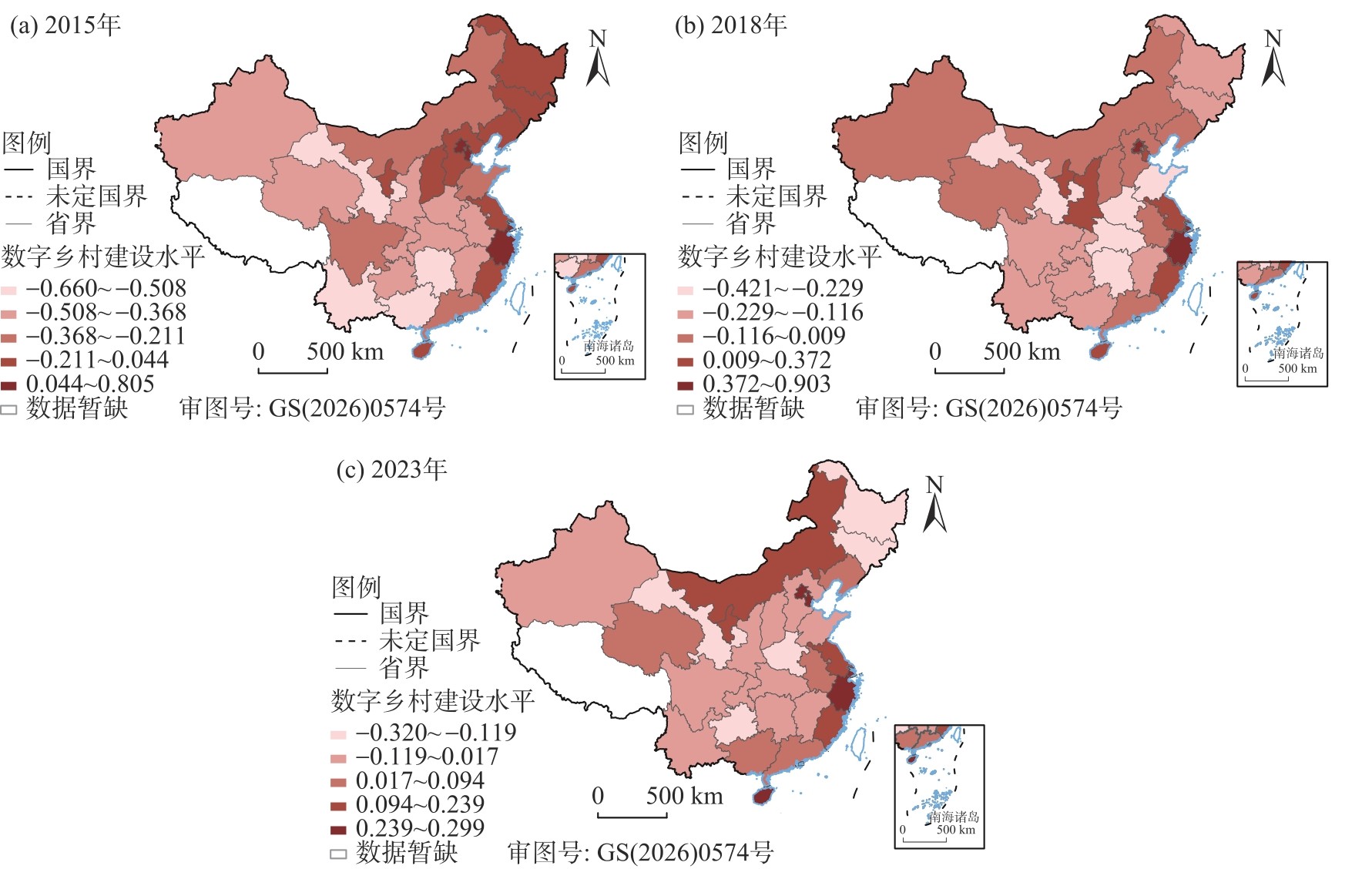
Fig. 5
Trends in global Moran’s I for digital village construction levels in China"
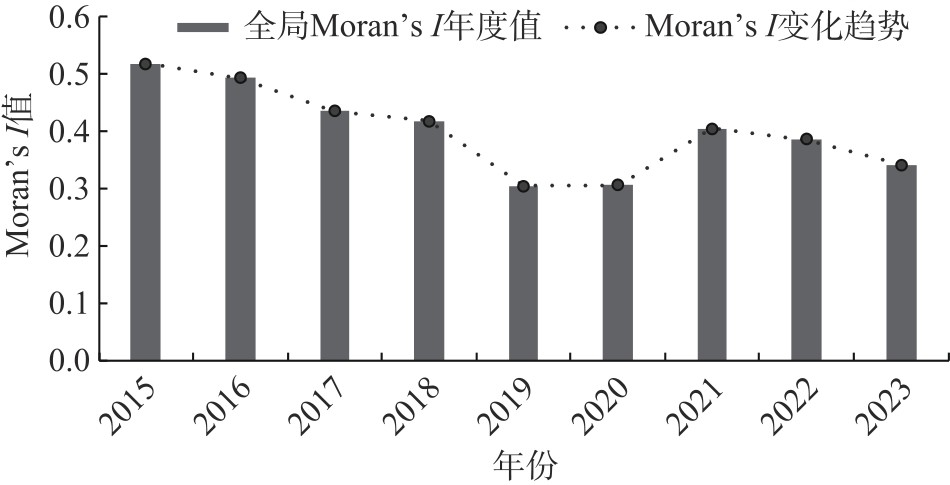
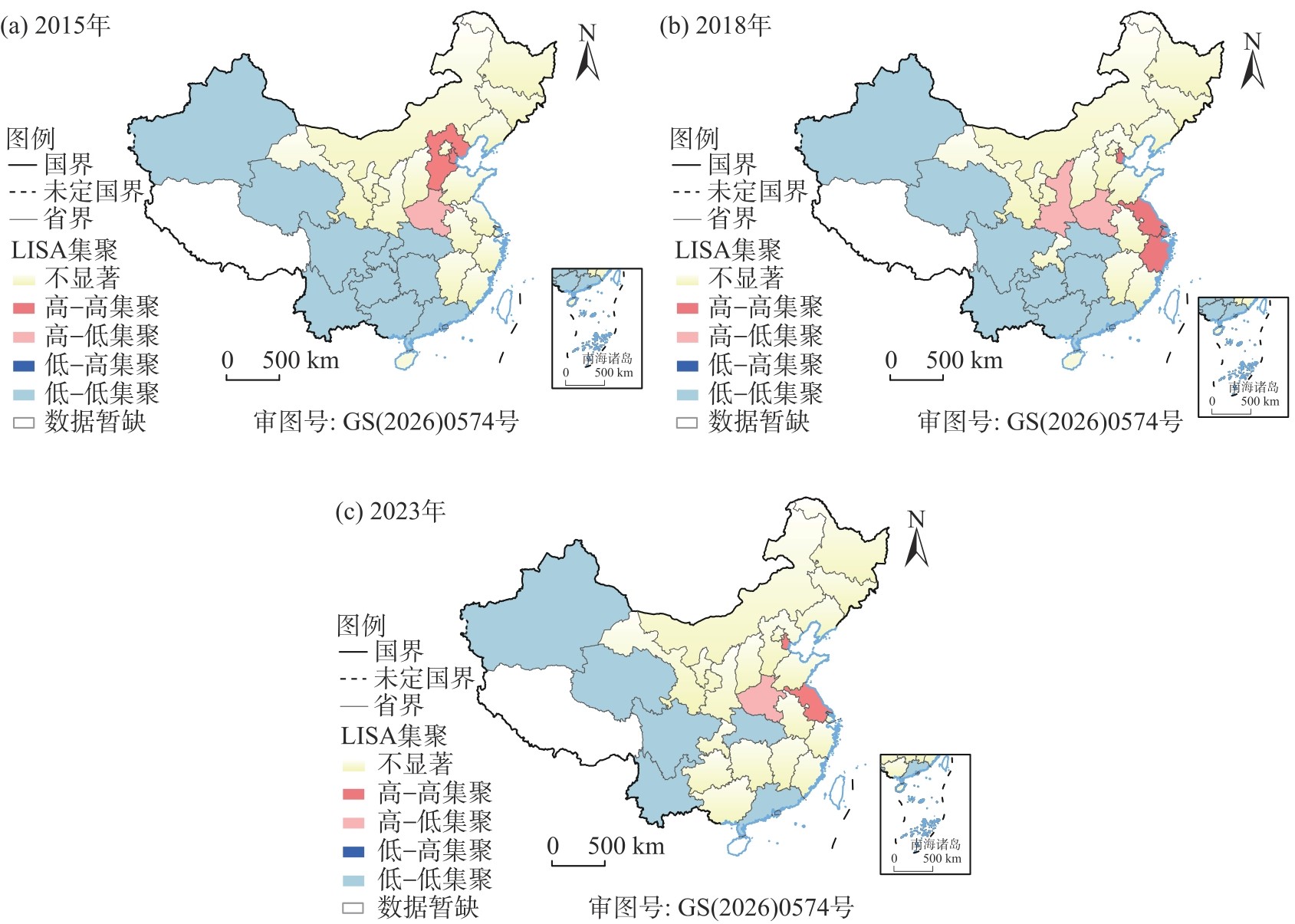
Fig. 6
LISA cluster maps of digital village construction levels in China"
Tab. 4
Effect test of driving factors on digital village construction levels in China"
| 驱动因素 | 本域驱动系数 | 邻域空间系数 | |||||||
|---|---|---|---|---|---|---|---|---|---|
| 随机效应 | 空间固定效应 | 时间固定效应 | 双向固定效应 | 随机效应 | 空间固定效应 | 时间固定效应 | 双向固定效应 | ||
| 地方财政 科技投入 | 0.0751*** | 0.0661** | 0.0913*** | 0.0667** | -0.0057 | -0.0106 | 0.4450*** | 0.0212 | |
| (0.0252) | (0.0277) | (0.0230) | (0.0282) | (0.1360) | (0.1460) | (0.1590) | (0.1800) | ||
| 信息化水平 | -0.3340 | -0.6460** | 0.6080 | -0.4070 | 0.4940 | 0.5400* | 0.6520* | -0.4890 | |
| (0.3150) | (0.3000) | (0.4100) | (0.3320) | (0.4250) | (0.4350) | (2.0120) | (1.5420) | ||
| 乡村数字基 础设施建设 | 0.0063*** | 0.0035 | 0.0057*** | 0.0091** | -0.0104 | 0.0062 | -0.0259*** | 0.0559** | |
| (0.0021) | (0.0036) | (0.0017) | (0.0042) | (0.0090) | (0.0117) | (0.0093) | (0.0282) | ||
| 科技创新水平 | 0.0417*** | 0.0433*** | 0.0271** | 0.0362*** | -0.0795 | -0.1070 | -0.0690 | -0.1540 | |
| (0.0120) | (0.0123) | (0.0130) | (0.0130) | (0.0705) | (0.0785) | (0.0950) | (0.0963) | ||
| 数字交易水平 | 0.0933*** | 0.0941*** | 0.0951*** | 0.0918*** | -0.0668*** | -0.0603*** | -0.0142 | -0.0482 | |
| (0.0077) | (0.0074) | (0.0106) | (0.0079) | (0.0195) | (0.0201) | (0.0560) | (0.0425) | ||
| 人力资本水平 | -0.0313 | 0.1930* | -0.0700*** | 0.1910* | -0.1660 | -0.6990** | -0.7950*** | 0.0502 | |
| (0.0347) | (0.1110) | (0.0233) | (0.1120) | (0.1870) | (0.3470) | (0.1800) | (0.7130) | ||
| 城镇化水平 | -0.2140 | -0.2630 | -0.0201 | -0.6080 | 3.2300** | 7.0860*** | 4.8560*** | 3.8320 | |
| (0.3100) | (0.4600) | (0.2400) | (0.4810) | (1.2920) | (2.2730) | (1.2030) | (3.2980) | ||
| 政府自给率 | -0.1140 | -0.2010 | 0.2810** | -0.3580 | 0.9860* | 1.4560** | 4.000*** | -0.8020 | |
| (0.1760) | (0.2110) | (0.1410) | (0.2200) | (0.5410) | (0.7200) | (1.1910) | (1.4940) | ||
| 乡村产业结 构高级化 | -0.0063 | -0.0115 | 0.0175* | -0.0254** | 0.0635** | 0.1210*** | 0.1290* | -0.0458 | |
| (0.0085) | (0.0104) | (0.0093) | (0.0113) | (0.0286) | (0.0397) | (0.0712) | (0.0745) | ||
| 经济发展水平 | 0.2690** | 0.1710 | 0.0259 | 0.3970** | -0.0721 | -0.5550 | -1.9750*** | 3.5920** | |
| (0.1080) | (0.1780) | (0.0912) | (0.1910) | (0.3310) | (0.4110) | (0.7630) | (1.5990) | ||
| 空间自相关系数 | 0.0676 | 0.2770* | -0.4100 | 0.3720*** | 0.0676 | 0.2770* | -0.4100 | 0.3720*** | |
| 误差项方差 | 0.0063*** | 0.0066*** | 0.0137*** | 0.0077*** | 0.0063*** | 0.0066*** | 0.0137*** | 0.0077*** | |
| 决定系数 | 0.2400 | 0.4310 | 0.1270 | 0.8330 | 0.2400 | 0.4310 | 0.1270 | 0.8330 | |
| 样本数 | 270.0000 | 270.0000 | 270.0000 | 270.0000 | 270.0000 | 270.0000 | 270.0000 | 270.0000 | |
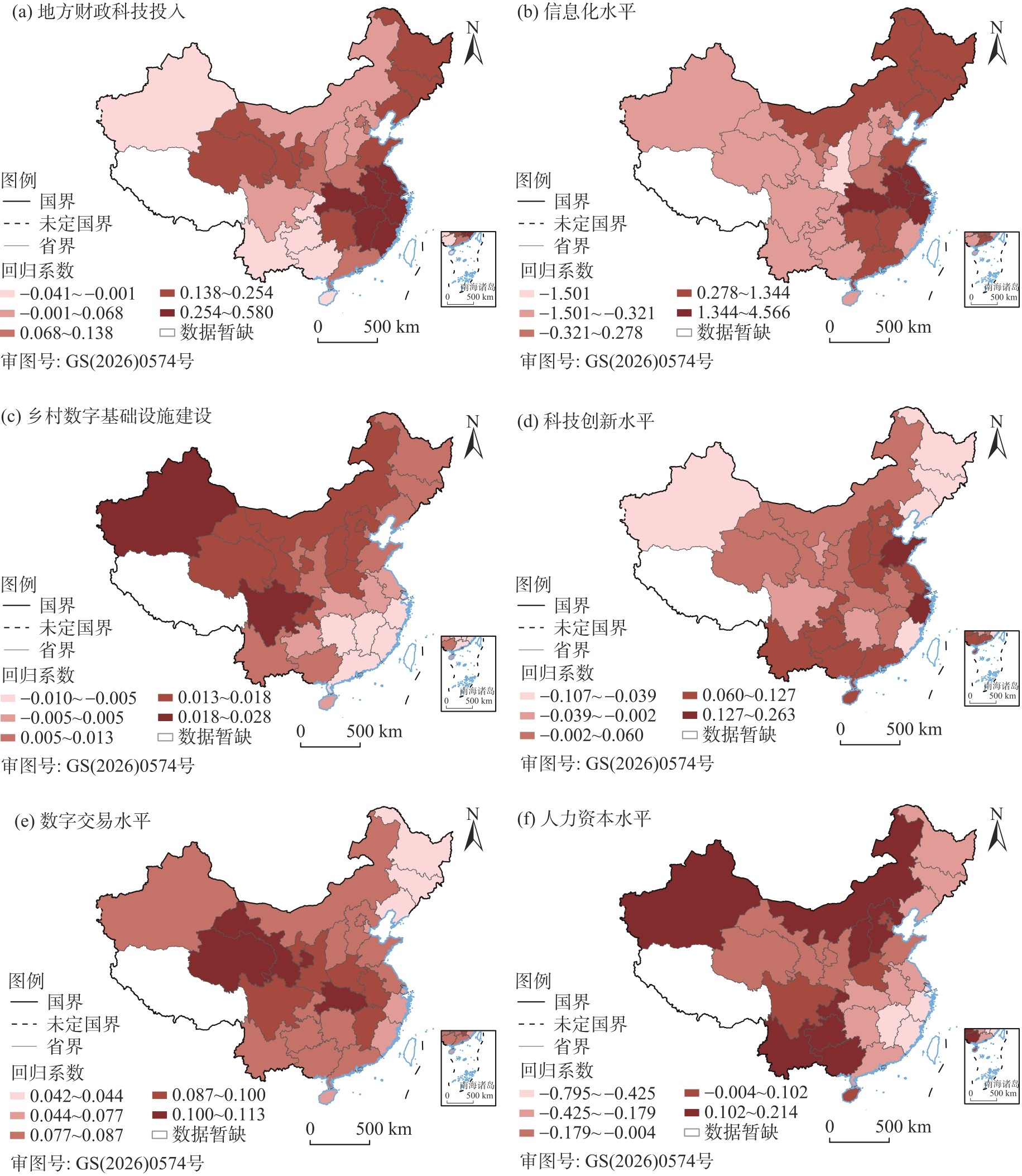
Fig. 7
Spatial distributions of regression coefficients for driving factors of digital village construction levels in China"
| [1] | 因地制宜发展新质生产力[N]. 人民日报, 2024-03-06(001). |
| [Developing new quality productive forces based on local conditions[N]. People’s Daily, 2024-03-06(001). ] | |
| [2] | 中共中央办公厅,国务院办公厅. 数字乡村发展战略纲要[EB/OL]. [2019-05-16]. https://www.gov.cn/gongbao/content/2019/content_5395476.htm. |
| [General Office of the Central Committee of the Communist Party of China, General Office of the State Council. Outline of the strategy for digital countryside development[EB/OL]. [2019-05-16]. https://www.gov.cn/gongbao/content/2019/content_5395476.htm.] | |
| [3] | 王佳兴, 林韬杰, 邱寒青. 数字乡村建设的驱动因素与路径选择--组态视角下的定性比较分析[J]. 科技管理研究, 2024, 44(6): 177-186. |
| [Wang Jiaxing, Lin Taojie, Qiu Hanqing. Driving factors and path selection of digital village construction: Qualitative comparative analysis based on configurational approach[J]. Science and Technology Management Research, 2024, 44(6): 177-186. ] | |
| [4] | 朱菁, 王菁, 董欣, 等. 我国数字乡村建设经验对西部地区乡村的启示[J]. 西北大学学报(自然科学版), 2025, 55(2): 407-419. |
| [Zhu Jing, Wang Jing, Dong Xin, et al. The enlightenment to digital villages construction to western regions in China[J]. Journal of Northwestern University (Natural Science Edition), 2025, 55(2): 407-419. ] | |
| [5] | 温铁军, 逯浩. 深化新质生产力推进农业农村现代化的理论认识[J]. 人民论坛·学术前沿, 2024(10): 31-39. |
| [Wen Tiejun, Lu Hao. Deepen the theoretical understanding of promoting agricultural and rural modernization through new quality productive forces[J]. Frontiers, 2024(10): 31-39. ] | |
| [6] |
李昭楠, 杨玉坤, 刘七军. 共同富裕目标下数字技术使用对城乡家庭收入质量影响的差异分析[J]. 干旱区地理, 2026, 49(5): 1052-1062.
doi: 10.12118/j.issn.1000-6060.2025.421 |
|
[Li Zhaonan, Yang Yukun, Liu Qijun. Differences in the impact of digital technology use on the income quality of urban-rural households under the goal of common prosperity[J]. Arid Land Geography, 2026, 49(5): 1052-1062. ]
doi: 10.12118/j.issn.1000-6060.2025.421 |
|
| [7] | 雷泽奎, 祁春节, 王刘坤. 数字乡村建设能驱动农业经济高质量增长吗?[J]. 华中农业大学学报(社会科学版), 2023(3): 54-66. |
| [Lei Zekui, Qi Chunjie, Wang Liukun. Can the construction of digital village drive high-quality growth in agricultural economy?[J]. Journal of Huazhong Agricultural University (Social Science Edition), 2023(3): 54-66. ] | |
| [8] | 吴潇航, 周鹏飞, 李美宏, 等. 数字乡村建设驱动西部地区共同富裕--内在机理及实证检验[J]. 西北人口, 2024, 45(2): 91-102. |
| [Wu Xiaohang, Zhou Pengfei, Li Meihong, et al. Digital rural construction driving common prosperity in western regions: The inner mechanism and empirical testing[J]. Northwest Population Journal, 2024, 45(2): 91-102. ] | |
| [9] | European Commission. EU action for smart villages[EB/OL]. [2019-01-12]. https://ec.europa.eu/info/sites/default/files/food-farming-fisheries/key_policies/documents/rur-dev-small-villages_en.pdf. |
| [10] | Kim Y, Lee J. Rural revitalization through e-commerce: Korea’s informatization village program[J]. Journal of Rural Studies, 2021, 84: 142-153. |
| [11] |
吉雪强, 贺志浩, 李卓群, 等. 省域新质生产力发展水平测度、时空特征及其影响因素[J]. 经济地理, 2024, 44(11): 104-112.
doi: 10.15957/j.cnki.jjdl.2024.11.011 |
|
[Ji Xueqiang, He Zhihao, Li Zhuoqun, et al. Measurement, spatiotemporal characteristics and influencing factors of development level of new quality productive forces at the provincial level[J]. Economic Geography, 2024, 44(11): 104-112. ]
doi: 10.15957/j.cnki.jjdl.2024.11.011 |
|
| [12] |
刘传明, 王睿, 邵明吉. 中国县域数字乡村发展的空间格局及驱动因素研究[J]. 热带地理, 2024, 44(1): 79-91.
doi: 10.13284/j.cnki.rddl.003811 |
|
[Liu Chuanming, Wang Rui, Shao Mingji. Research on assessing the spatial pattern and driving factors behind of the development of county-level digital countryside in China[J]. Tropical Geography, 2024, 44(1): 79-91. ]
doi: 10.13284/j.cnki.rddl.003811 |
|
| [13] | 王燕燕, 黄森慰. 中国农村人居环境治理效率动态演进及影响因素研究[J]. 中国农业资源与区划, 2025, 46(3): 156-170. |
| [Wang Yanyan, Huang Senwei. Study on the dynamic evolution and influencing factors of rural human living environment governance efficiency in China[J]. Chinese Journal of Agricultural Resources and Regional Planning, 2025, 46(3): 156-170. ] | |
| [14] | 李燕凌, 温馨. 中国数字乡村建设的区域非均衡性: 影响因素及空间溢出效应[J]. 农林经济管理学报, 2023, 22(4): 457-466. |
| [Li Yanling, Wen Xin. Regional unevenness in the construction of digital villages in China: Influencing factors and their spatial spillover effects[J]. Journal of Agro-Forestry Economics and Management, 2023, 22(4): 457-466. ] | |
| [15] | 谢小芹, 任世辉. TOE框架下数字乡村试点建设路径的组态研究与区域比较--基于全国76个数字乡村试点的定性比较分析[J]. 电子政务, 2024(1): 63-77. |
| [Xie Xiaoqin, Ren Shihui. A group study and regional comparison of digital village pilot construction paths under the TOE framework: A qualitative comparative analysis based on 76 digital village pilots across China[J]. E-Government, 2024(1): 63-77. ] | |
| [16] |
张学波, 李亚宁, 孙峰华. 中国市域经济韧性演变与影响因素异质性[J]. 经济地理, 2024, 44(5): 64-74.
doi: 10.15957/j.cnki.jjdl.2024.05.007 |
| [Zhang Xuebo, Li Yaning, Sun Fenghua. Evolution and influencing factors’ heterogeneity of urban economic resilience in China[J]. Economic Geography, 2024, 44(5): 64-74. ] | |
| [17] | 王瑞, 王锦良, 郝得泉, 等. 中国乡村产业高质量发展区域差异及驱动因素[J]. 中国农业资源与区划, 2026, 46(10): 130-147. |
| [Wang Rui, Wang Jinliang, Hao Dequan, et al. Regional differences and driving factors of rural industries high-quality development in China[J]. Chinese Journal of Agricultural Resources and Regional Planning, 2026, 46(10): 130-147. ] | |
| [18] |
王立奇, 李国柱. 中国城市生态韧性时空特征及影响因素分析[J]. 干旱区地理, 2025, 48(5): 893-904.
doi: 10.12118/j.issn.1000-6060.2024.379 |
|
[Wang Liqi, Li Guozhu. Spatial-temporal characteristics and influencing factors of urban ecological resilience in China[J]. Arid Land Geography, 2025, 48(5): 893-904. ]
doi: 10.12118/j.issn.1000-6060.2024.379 |
|
| [19] | 张鸿, 杜凯文, 靳兵艳. 乡村振兴战略下数字乡村发展就绪度评价研究[J]. 西安财经大学学报, 2020, 33(1): 51-60. |
| [Zhang Hong, Du Kaiwen, Jin Bingyan. Research on evaluation of digital rural development readiness under rural revitalization strategy[J]. Journal of Xi’an University of Finance and Economics, 2020, 33(1): 51-60. ] | |
| [20] |
伍先福, 黄骁, 钟鹏. 新型基础设施建设与战略性新兴产业耦合协调发展测度及其耦合机制[J]. 地理科学, 2021, 41(11): 1969-1979.
doi: 10.13249/j.cnki.sgs.2021.11.010 |
| [Wu Xianfu, Huang Xiao, Zhong Peng. Measurement and coupling mechanism of the coupling and coordinated development of new infrastructure construction and strategic emerging industries[J]. Geographical Science, 2021, 41(11): 1969-1979. ] | |
| [21] |
Diakoulaki D, Mavrotas G, Papayannakis L. Determining objective weights in multiple criteria problems: The critic method[J]. Computers & Operations Research, 1995, 22(7): 763-770.
doi: 10.1016/0305-0548(94)00059-H |
| [22] |
Shannon C E. A mathematical theory of communication[J]. Bell System Technical Journal, 1948, 27(3): 379-423.
doi: 10.1002/bltj.1948.27.issue-3 |
| [23] | 周晓艳, 王诗琪. 基于GTWR模型的长江经济带生态系统服务价值对城镇扩张的时空响应[J]. 水土保持研究, 2021, 28(4): 300-307. |
| [Zhou Xiaoyan, Wang Shiqi. Spatiotemporal response of ecosystem service values to urban expansion in the Yangtze River Economic Belt based on the GTWR model[J]. Research of Soil and Water Conservation, 2021, 28(4): 300-307. ] | |
| [24] |
Huang B, Wu B, Barry M. Geographically and temporally weighted regression for modeling spatio-temporal variation in house prices[J]. International Journal of Geographical Information Science, 2010, 24(3): 383-401.
doi: 10.1080/13658810802672469 |
|
||