Arid Land Geography ›› 2026, Vol. 49 ›› Issue (7): 1493-1508.doi: 10.12118/j.issn.1000-6060.2025.459
• Regional Development • Previous Articles Next Articles
GAO Ying1( ), ZHOU Keli1, YUAN Yuan1,2(), SHI Xinru1, WU Jialin1
Received:2025-08-03
Revised:2025-09-09
Online:2026-07-25
Published:2026-07-07
Contact:
YUAN Yuan
E-mail:13183278012@163.com;yuanyuan_8575@163.com
GAO Ying, ZHOU Keli, YUAN Yuan, SHI Xinru, WU Jialin. Spatiotemporal evolution and driving mechanism of coupling coordination between tourism economy and residents’ well-being in the Yellow River Basin[J].Arid Land Geography, 2026, 49(7): 1493-1508.
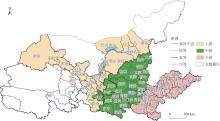
Fig. 1
Overview of the study area"
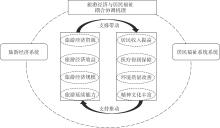
Fig. 2
Coupling mechanism diagram of tourism economy and residents’ well-being"
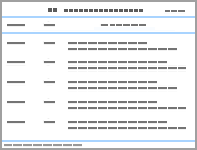
Tab. 1
Evaluation indicator system for tourism economy and residents’ well-being"
| 一级指标 | 二级指标 | 三级指标 | 单位 | 属性 | 权重 |
|---|---|---|---|---|---|
| 旅游经济 | 旅游经济资源 | A级景区数量 | 个 | 正 | 0.0639 |
| 星级酒店数量 | 个 | 正 | 0.0672 | ||
| 博物馆个数 | 个 | 正 | 0.0911 | ||
| 国家级非物质文化遗产数 | 个 | 正 | 0.0650 | ||
| 旅游经济效益 | 国内旅游收入 | 108元 | 正 | 0.0972 | |
| 旅游总收入 | 108元 | 正 | 0.0991 | ||
| 人均旅游消费 | 元·人-1 | 正 | 0.0350 | ||
| 旅游产值密度 | 104元·km-2 | 正 | 0.1593 | ||
| 旅游经济规模 | 国内旅游人数 | 104人 | 正 | 0.0827 | |
| 旅游总人数 | 104人 | 正 | 0.0831 | ||
| 旅游持续能力 | 旅游总收入增长率 | % | 正 | 0.0107 | |
| 旅游总人数增长率 | % | 正 | 0.0122 | ||
| 旅游总收入占GDP比重增长率 | % | 正 | 0.0202 | ||
| 旅游固定资产 | 108元 | 正 | 0.1133 | ||
| 居民福祉 | 社会保障 | 人均社会消费品总额 | 元·人-1 | 正 | 0.1169 |
| 城镇居民人均可支配收入 | 104元·人-1 | 正 | 0.0685 | ||
| 农村居民人均可支配收入 | 104元·人-1 | 正 | 0.0371 | ||
| 年末单位从业人数 | 人 | 正 | 0.1568 | ||
| 医疗健康 | 每万人医院卫生院床位数 | 张·(104人)-1 | 正 | 0.0359 | |
| 每万人卫生技术人员数 | 人·(104人)-1 | 正 | 0.0612 | ||
| 每万人执业助理医师 | 人·(104人)-1 | 正 | 0.0420 | ||
| 每万人注册护师、护士数 | 人·(104人)-1 | 正 | 0.0409 | ||
| 人居环境 | PM2.5浓度 | μg·m-3 | 负 | 0.0207 | |
| 人均公园绿地面积 | km2·人-1 | 正 | 0.0410 | ||
| 教育科技 | 教育支出占财政支出的比例 | % | 正 | 0.0676 | |
| 公共图书馆数量 | 个 | 正 | 0.1424 | ||
| 数字普惠金融指数 | - | 正 | 0.0539 | ||
| 每百人互联网用户数 | 户·(100人)-1 | 正 | 0.0580 | ||
| 每百人移动电话用户数 | 户·(100人)-1 | 正 | 0.0570 |
Tab. 2
Classification of coupling coordination levels"
| 耦合协调度(D) | 耦合协调度等级 | 耦合协调度(D) | 耦合协调度等级 |
|---|---|---|---|
| 0.0<D≤0.1 | 极度失调 | 0.5<D≤0.6 | 勉强协调 |
| 0.1<D≤0.2 | 严重失调 | 0.6<D≤0.7 | 初级协调 |
| 0.2<D≤0.3 | 中度失调 | 0.7<D≤0.8 | 中级协调 |
| 0.3<D≤0.4 | 轻度失调 | 0.8<D≤0.9 | 良好协调 |
| 0.4<D≤0.5 | 濒临失调 | 0.9<D≤1.0 | 优质协调 |
Fig. 3
Spatiotemporal evolution of tourism economic development levels in the Yellow River Basin from 2013 to 2022"
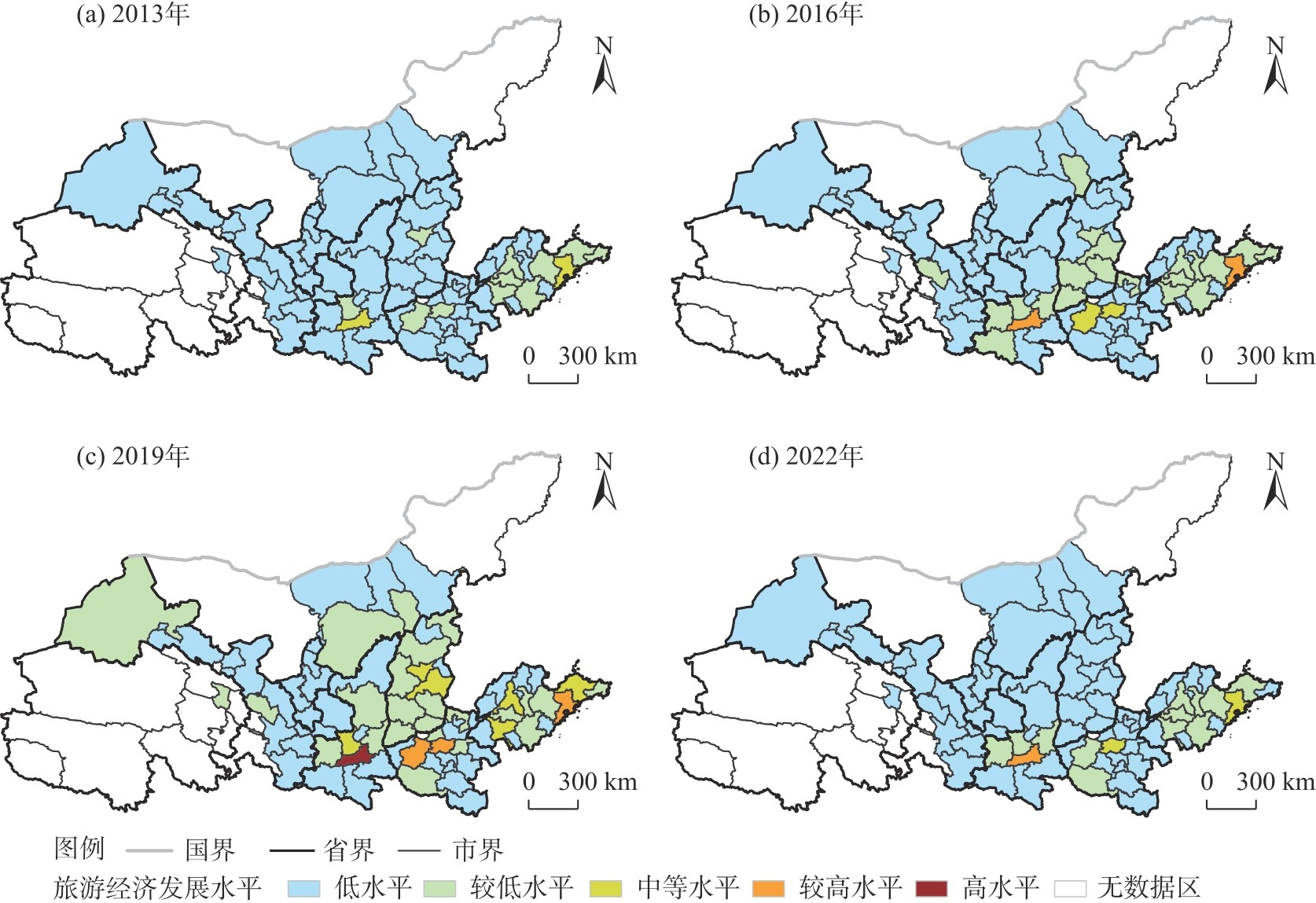
Fig. 4
Spatiotemporal evolution of residents’ well-being development levels in the Yellow River Basin from 2013 to 2022"
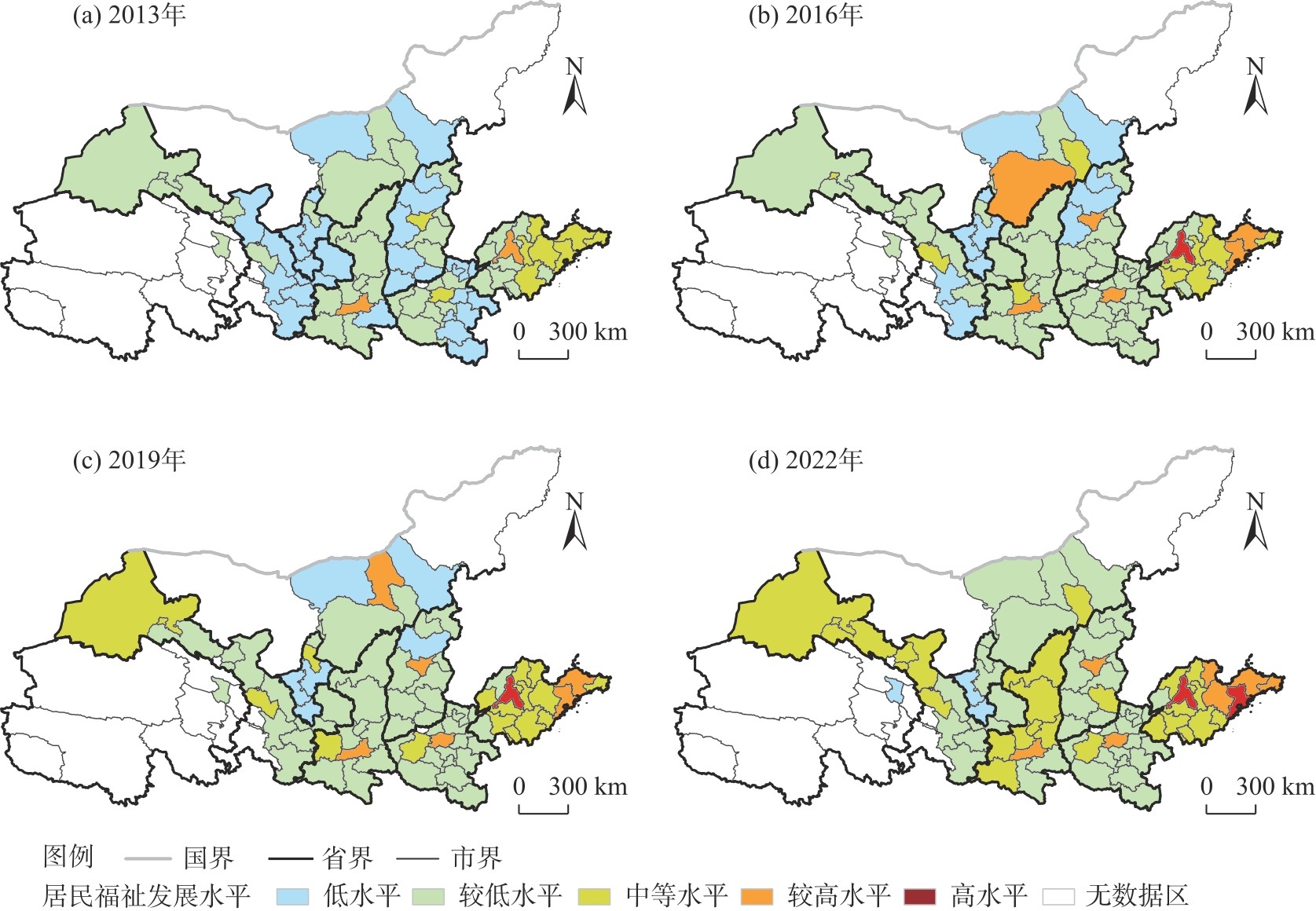
Fig. 5
Spatiotemporal evolution of coupling coordination degree between tourism economy and residents’ well-being in the Yellow River Basin from 2013 to 2022"

Tab. 3
Global Moran’s I for coupling coordination degree between tourism economy and residents’ well-being in the Yellow River Basin from 2013 to 2022"
| 年份 | 全局莫兰指数 | Z得分 | P值 |
|---|---|---|---|
| 2013 | 0.402 | 5.423 | 0.000 |
| 2014 | 0.349 | 5.027 | 0.000 |
| 2015 | 0.375 | 5.063 | 0.000 |
| 2016 | 0.324 | 4.393 | 0.000 |
| 2017 | 0.328 | 4.456 | 0.000 |
| 2018 | 0.332 | 4.034 | 0.000 |
| 2019 | 0.296 | 3.695 | 0.000 |
| 2020 | 0.260 | 3.570 | 0.000 |
| 2021 | 0.314 | 4.280 | 0.000 |
| 2022 | 0.309 | 4.230 | 0.000 |
Fig. 6
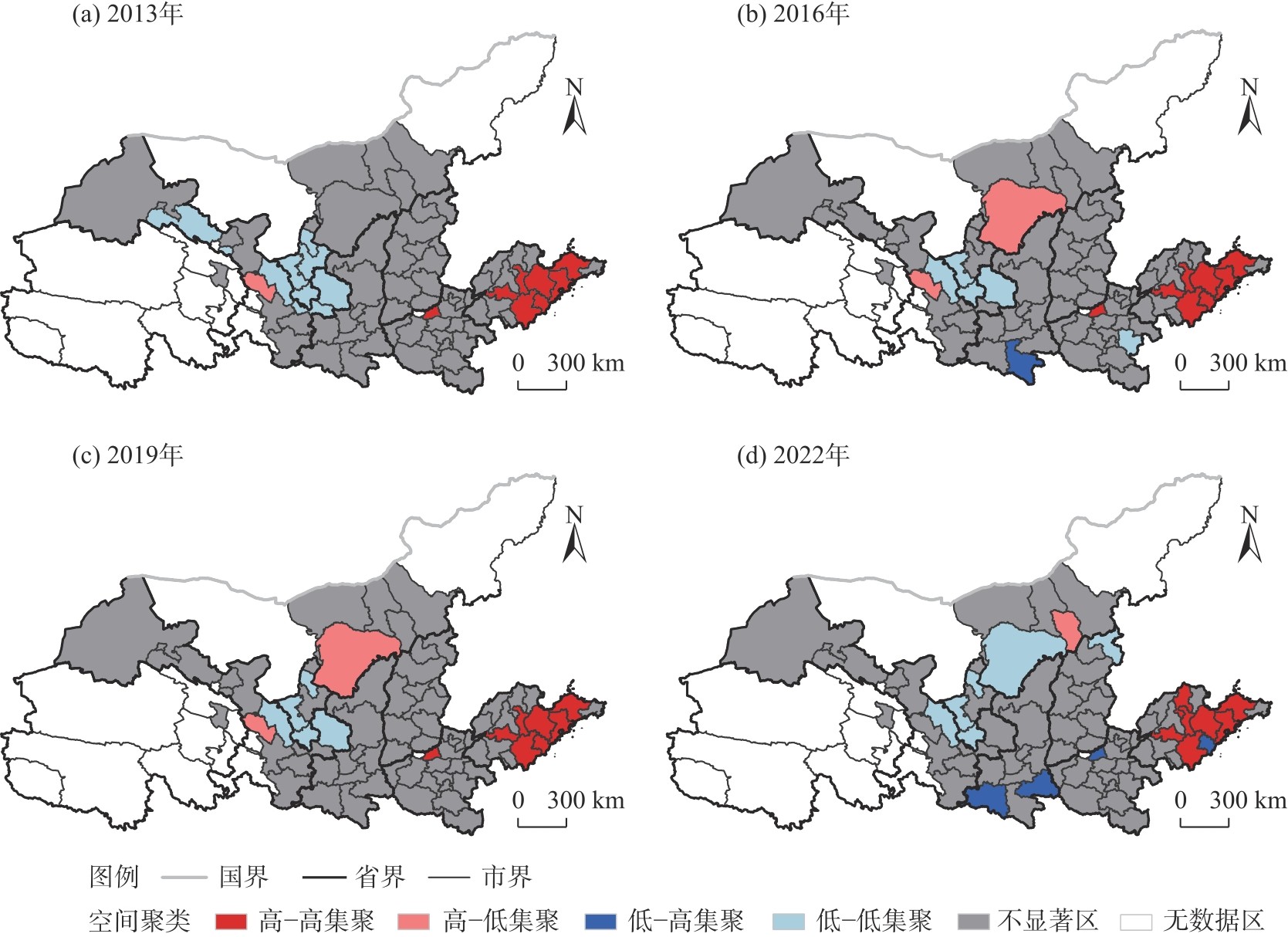
Local spatial correlation of coupling coordination between tourism economy and residents’ well-being in the Yellow River Basin from 2013 to 2022"
Tab. 4
Indicator system for coupling and coordinated driving factors of tourism economy and residents’ well-being"
| 系统层 | 准则层 | 指标层 |
|---|---|---|
| 自然禀赋 | 资源禀赋 | 绿化覆盖面积(X1)/hm2 |
| 气候条件 | 年均气温(X2)/℃ | |
| 人口密度 | 单位土地面积人口数(X3)/人·km-2 | |
| 经济发展 | 经济条件 | 地区生产总值(X4)/108元 |
| 投资力度 | 固定资产投资总额(X5)/104元 | |
| 金融发展 | 金融机构贷款余额(X6)/104元 | |
| 社会文明 | 科技创新 | 专利授权数(X7)/件 |
| 交通便利 | 公路密度(X8)/km·km-2 | |
| 政府规制 | 政府财政支出占GDP比重(X9)/% | |
| 投资政策 | 旅游固定资产投资占比(X10)/% |
Tab. 5
Single-factor detection results for coupling coordination degree between tourism economy and residents’ well-being"
| 驱动因子 | 2013年 | 2016年 | 2019年 | 2022年 | 2013—2022年 | |
|---|---|---|---|---|---|---|
| 平均值 | 排序 | |||||
| X1 | 0.628*** | 0.539*** | 0.608*** | 0.639*** | 0.635 | 5 |
| X2 | 0.283*** | 0.282** | 0.251** | 0.301*** | 0.279 | 7 |
| X3 | 0.318*** | 0.283** | 0.265** | 0.335** | 0.300 | 6 |
| X4 | 0.713*** | 0.678*** | 0.710*** | 0.717*** | 0.705 | 1 |
| X5 | 0.713*** | 0.737*** | 0.626*** | 0.644** | 0.680 | 2 |
| X6 | 0.709*** | 0.634*** | 0.671*** | 0.676*** | 0.673 | 3 |
| X7 | 0.693*** | 0.646*** | 0.606*** | 0.716*** | 0.665 | 4 |
| X8 | 0.299*** | 0.253*** | 0.199*** | 0.209** | 0.198 | 10 |
| X9 | 0.324*** | 0.284*** | 0.327*** | 0.287*** | 0.240 | 8 |
| X10 | 0.289** | 0.258*** | 0.159 | 0.207 | 0.228 | 9 |
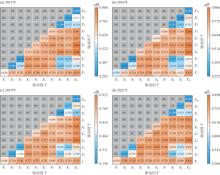
Fig. 7
Detection results of dual-factor interaction of coupling coordination degree between tourism economy and residents’ well-being in the Yellow River Basin from 2013 to 2022"
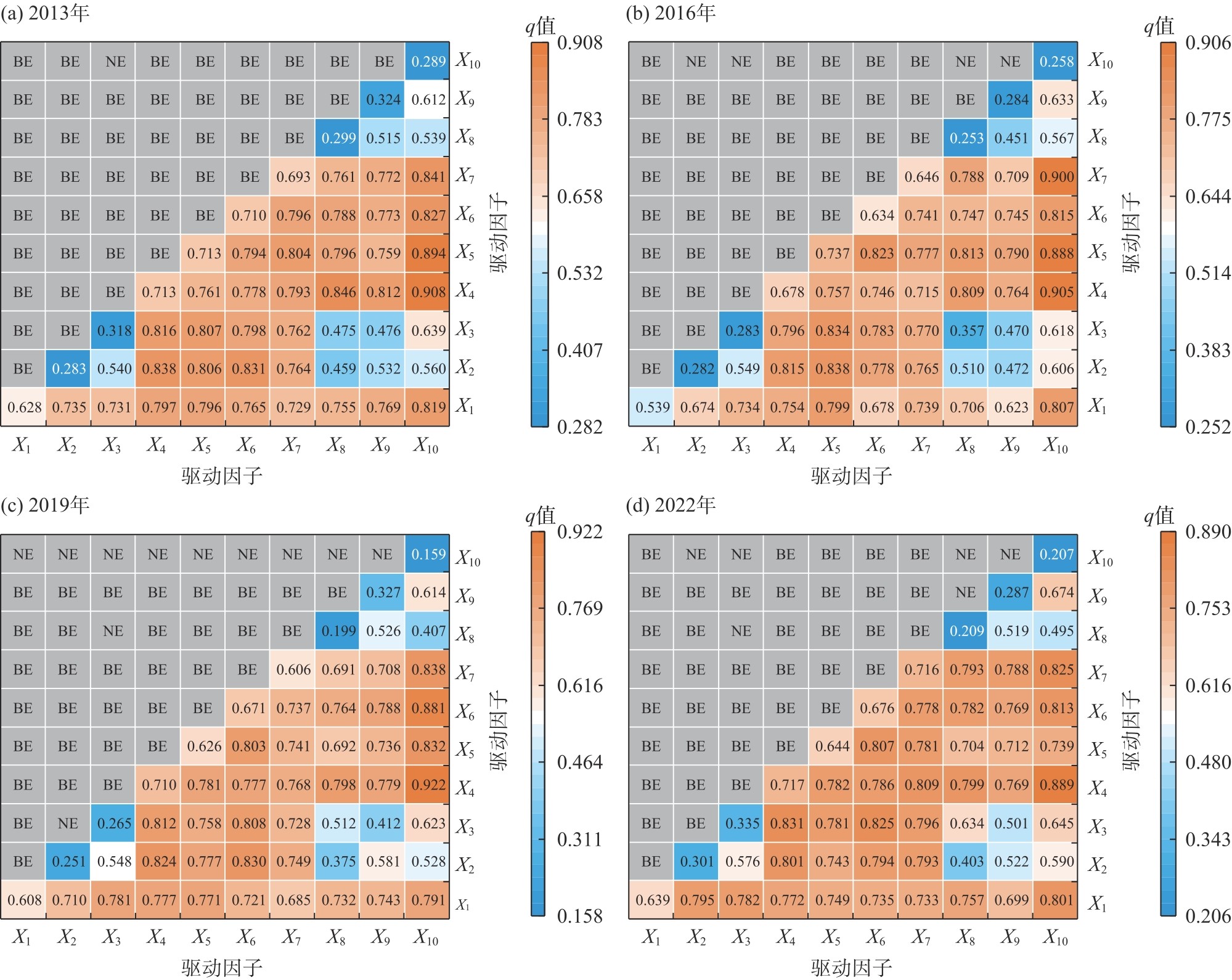
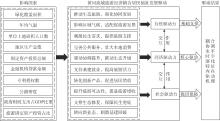
Fig. 8
Driving mechanism of coupling coordination between tourism economy and residents’ well-being in the Yellow River Basin"
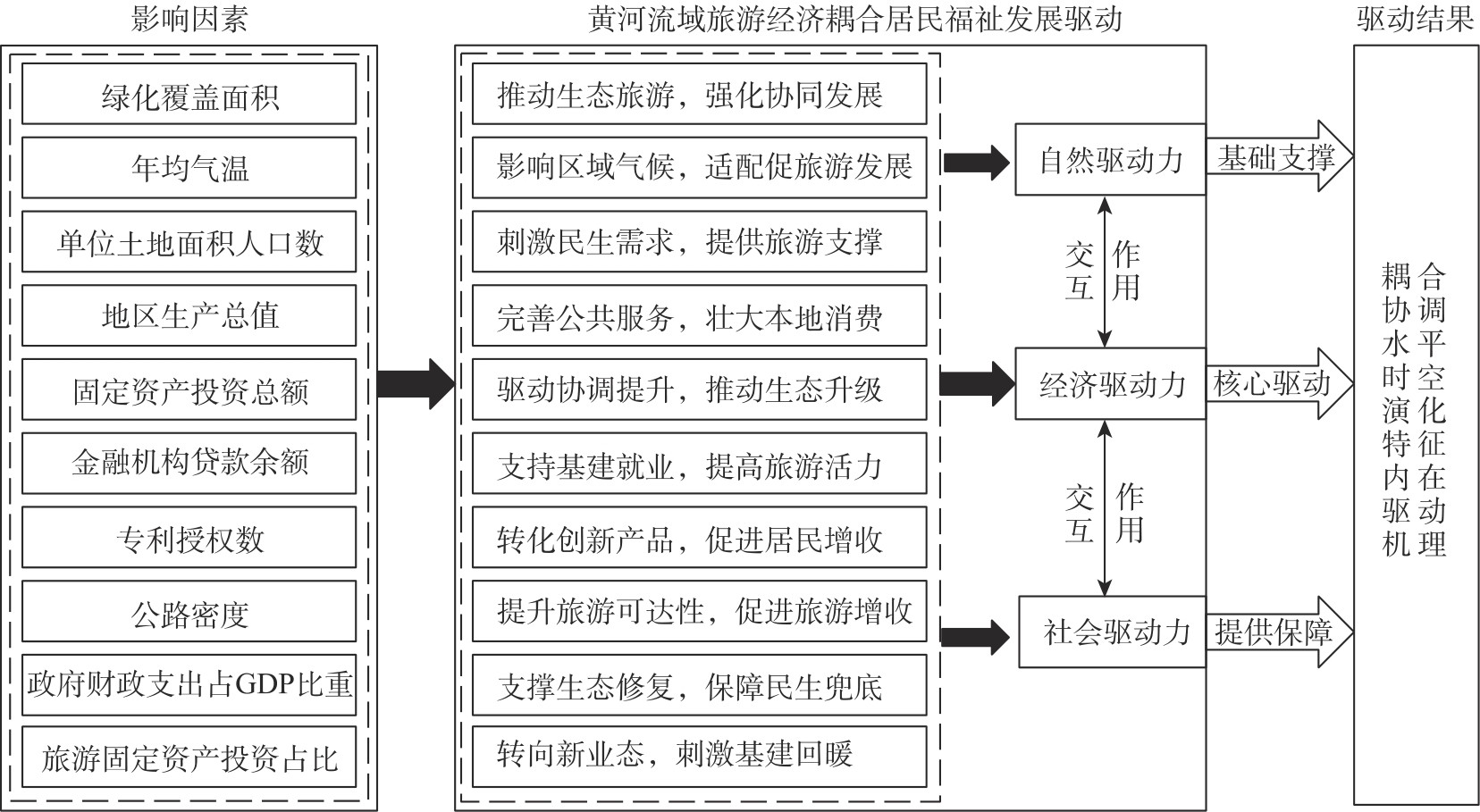
Fig. 9
Distributions of parameter estimates for natural endowment factors"
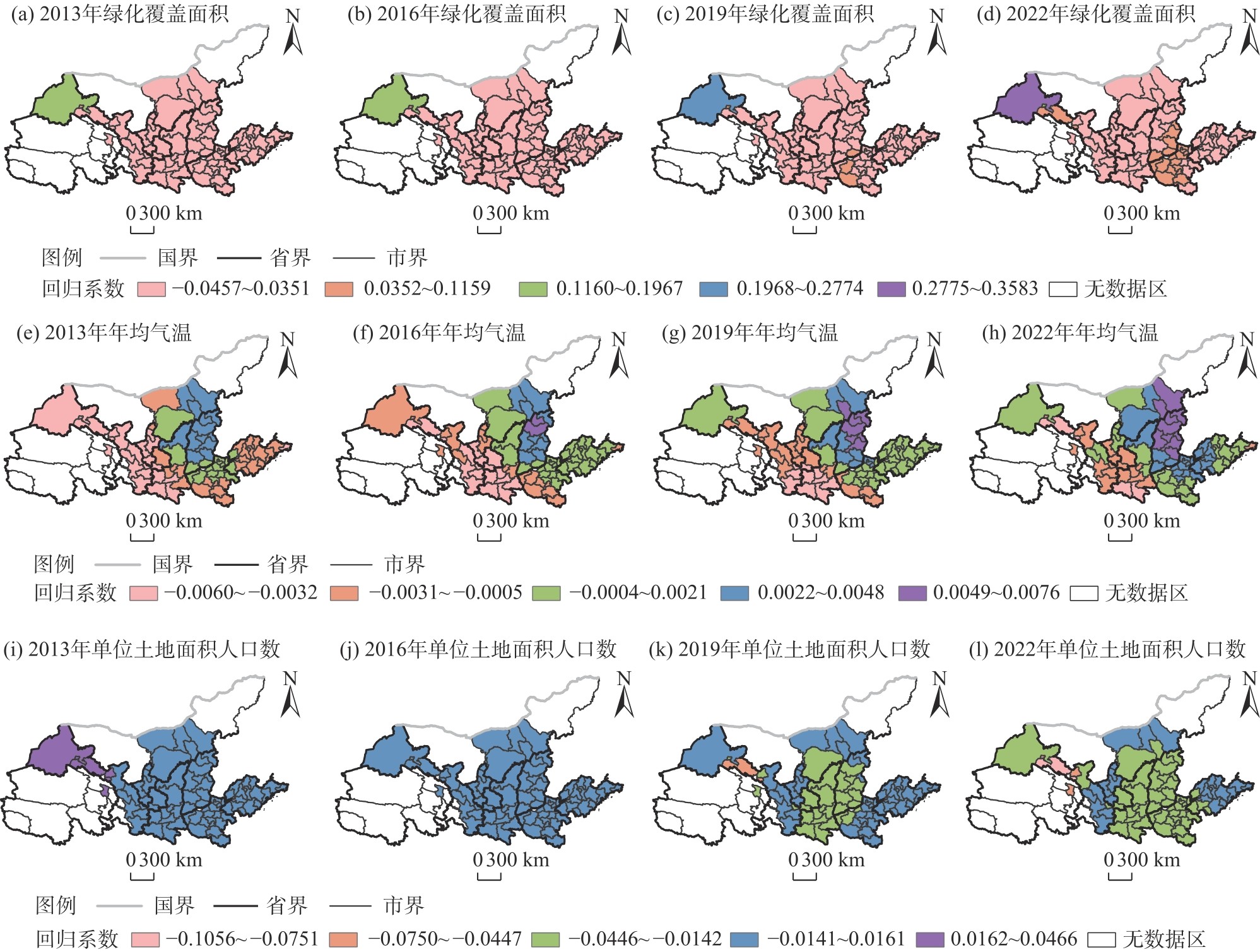
Fig. 10
Distributions of parameter estimates for economic development factors"
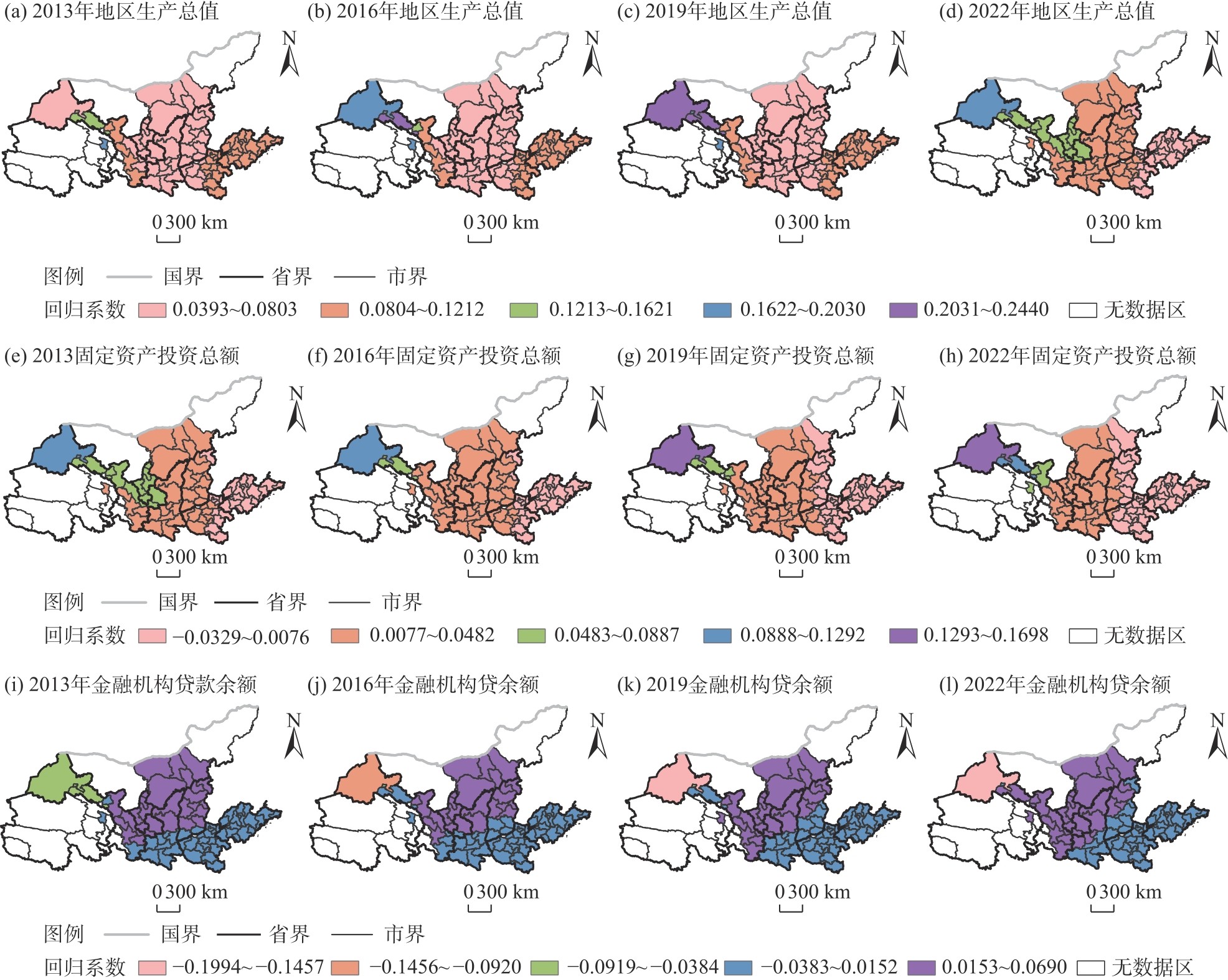
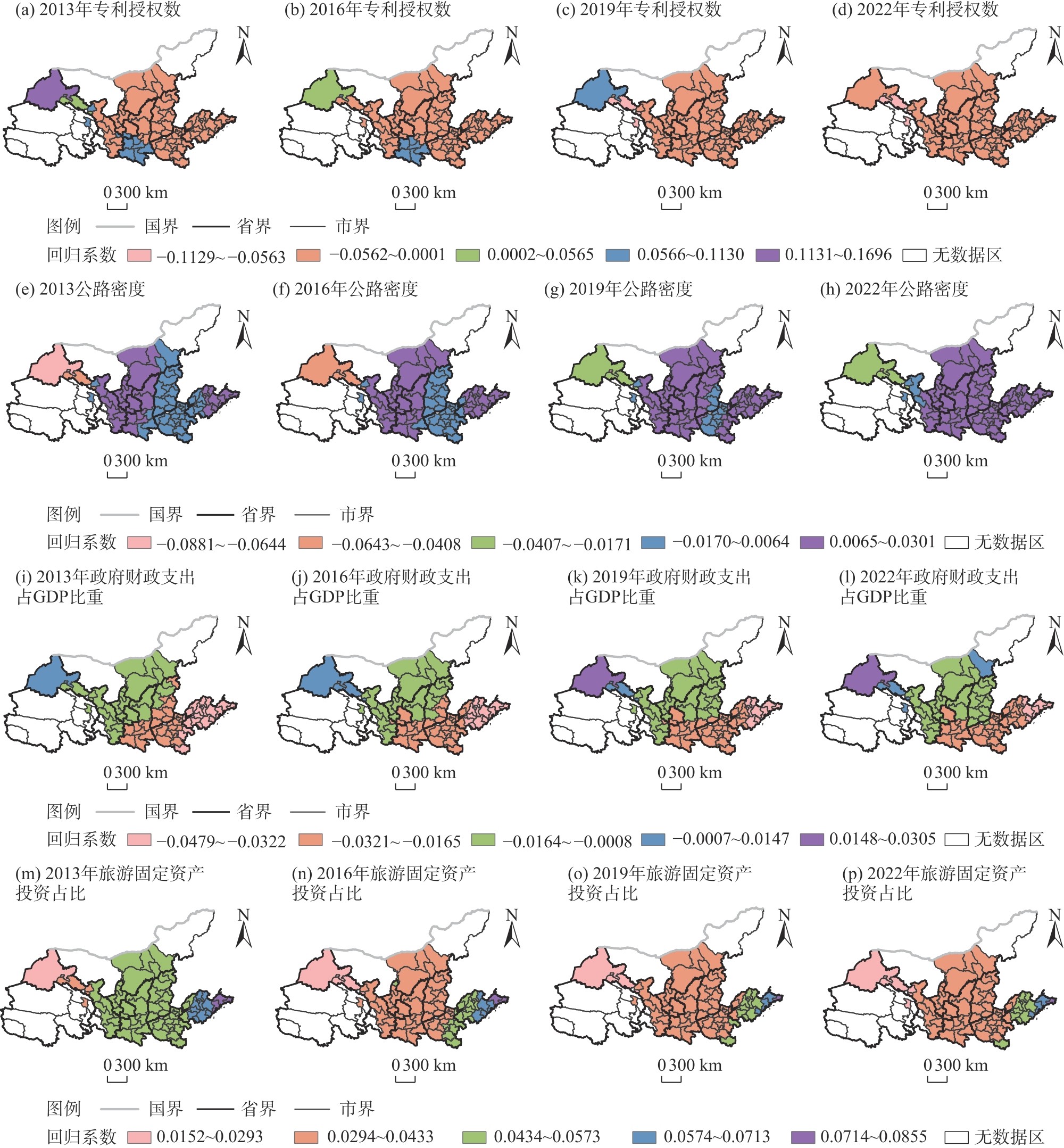
Fig. 11
Distribution of parameter estimates for social civilization factors"
| [1] | 习近平. 在黄河流域生态保护和高质量发展座谈会上的讲话[J]. 求是, 2019(20): 4-11. |
| [Xi Jinping. Speech at the symposium on ecological protection and high-quality development of the Yellow River Basin[J]. Qiushi, 2019(20): 4-11.] | |
| [2] | 习近平. 在教育文化卫生体育领域专家代表座谈会上的讲话[N]. 人民日报, 2020-09-23(002). |
| [Xi Jinping. Speech at the symposium for experts and representatives in the fields of education, culture, health and sports[N]. People’s Daily, 2020-09-23(002).] | |
| [3] |
Liu A Y, Wu D C. Tourism productivity and economic growth[J]. Annals of Tourism Research, 2019, 76: 253-265.
doi: 10.1016/j.annals.2019.04.005 |
| [4] | Elgin C, Elveren A Y. Unpacking the economic impact of tourism: A multidimensional approach to sustainable development[J]. Journal of Cleaner Production, 2024, 478: 143947, doi: 10.1016/j.jclepro.2024.143947. |
| [5] |
王松茂, 牛金兰. 山东省旅游经济与城市生态韧性协同演化研究[J]. 地理学报, 2023, 78(10): 2591-2608.
doi: 10.11821/dlxb202310013 |
|
[Wang Songmao, Niu Jinlan. Co-evolution of tourism economy and urban ecological resilience in Shandong Province[J]. Acta Geographica Sinica, 2023, 78(10): 2591-2608.]
doi: 10.11821/dlxb202310013 |
|
| [6] |
田小波. 黄河流域城市旅游业高质量发展水平测度与空间格局特征[J]. 干旱区地理, 2025, 48(9): 1660-1671.
doi: 10.12118/j.issn.1000-6060.2024.103 |
|
[Tian Xiaobo. Measurement and spatial pattern characteristics of high-quality development level of urban tourism in the Yellow River Basin[J]. Arid Land Geography, 2025, 48(9): 1660-1671.]
doi: 10.12118/j.issn.1000-6060.2024.103 |
|
| [7] |
Diener E, Pressman S D, Hunter J, et al. If, why, and when subjective well-being influences health, and future needed research[J]. Applied Psychology: Health and Well-Being, 2017, 9(2): 133-167.
doi: 10.1111/aphw.2017.9.issue-2 |
| [8] | 桑林. 居民幸福感、主观态度与商业保险市场参与——基于中国家庭金融调查数据的研究[J]. 经济与管理, 2019, 33(2): 45-53. |
| [Sang Lin. Residents’ happiness, subjective attitude and commercial insurance market participation: A study based on China household finance survey data[J]. Economy and Management, 2019, 33(2): 45-53.] | |
| [9] | 李启维. 国民幸福指数研究综述[J]. 财会研究, 2017(2): 67-72. |
| [Li Qiwei. A literature review on the national happiness index[J]. Research of Finance and Accounting, 2017(2): 67-72.] | |
| [10] |
朱媛媛, 杨千龙, 朱晓华, 等. 中国城乡居民福祉水平演变及影响因素[J]. 地理学报, 2025, 80(8): 2109-2127.
doi: 10.11821/dlxb202508007 |
|
[Zhu Yuanyuan, Yang Qianlong, Zhu Xiaohua, et al. Evolution and influencing factors of the well-being level of urban and rural residents in China[J]. Acta Geographica Sinica, 2025, 80(8): 2109-2127.]
doi: 10.11821/dlxb202508007 |
|
| [11] | 麻学锋, 孙洋. 旅游产业发展与民生福祉适配关系研究——以张家界为例[J]. 旅游科学, 2024, 38(6): 1-19. |
| [Ma Xuefeng, Sun Yang. Research on the adaptation of tourism industry development and people’s livelihood and well-being: A case study of Zhangjiajie[J]. Tourism Science, 2024, 38(6): 1-19.] | |
| [12] | Zhang C T, Zhao L, Song X Y, et al. Spatial-temporal coupling characteristics and interaction effects of economic resilience and people’s livelihoods and well-being: An analysis of 78 cities in the Yellow River Basin[J]. Sustainable Cities and Society, 2024, 112: 105638, doi: 10.1016/j.scs.2024.105638. |
| [13] | Wang M H, Su M M, Gan C, et al. A coordination analysis on tourism development and resident well-being in the Yangtze River Delta urban agglomeration, China[J]. Journal of Cleaner Production, 2023, 421: 138361, doi: 10.1016/j.jclepro.2023.138361. |
| [14] | 中共中央、国务院. 黄河流域生态保护和高质量发展规划纲要[J]. 中国水利, 2021(21): 3-16. |
| [The Central Committee of the Communist Party of China and the State Council. Outline of the plan for ecological conservation and high-quality development in the Yellow River Basin[J]. China Water Resources, 2021(21): 3-16.] | |
| [15] | 水利部黄河水利委员会. 黄河年鉴(2018)[M]. 郑州: 黄河年鉴社, 2018: 503-508. |
| [Yellow River Water Conservancy Commission of the Ministry of Water Resources. Yellow River yearbook (2018)[M]. Zhengzhou: Yellow River Yearbook Press, 2018: 503-508.] | |
| [16] |
郭付友, 佟连军, 仇方道, 等. 黄河流域生态经济走廊绿色发展时空分异特征与影响因素识别[J]. 地理学报, 2021, 76(3): 726-739.
doi: 10.11821/dlxb202103016 |
|
[Guo Fuyou, Tong Lianjun, Qiu Fangdao, et al. Spatio-temporal differentiation characteristics and influencing factors of green development in the eco-economic corridor of the Yellow River Basin[J]. Acta Geographica Sinica, 2021, 76(3): 726-739.]
doi: 10.11821/dlxb202103016 |
|
| [17] |
石建中, 徐玉莹. 数旅融合背景下旅游业新质生产力的形成机制与发展路径研究[J]. 自然资源学报, 2025, 40(10): 2618-2632.
doi: 10.31497/zrzyxb.20251003 |
|
[Shi Jianzhong, Xu Yuying. Formation mechanism and development of new quality productive forces in tourism industry in the context of digital integration[J]. Journal of Natural Resources, 2025, 40(10): 2618-2632.]
doi: 10.31497/zrzyxb.20251003 |
|
| [18] | Jackson S B, Stevenson K T, Larson L R, et al. Outdoor activity participation improves adolescents’ mental health and well-being during the COVID-19 pandemic[J]. International Journal of Environmental Research and Public Health, 2021, 18(5): 2506, doi: 10.3390/ijerph18052506. |
| [19] |
王慧娴, 杨蓓, 杨宁君, 等. 黄河流域旅游经济差异及关键驱动因素研究[J]. 干旱区地理, 2024, 47(3): 515-527.
doi: 10.12118/j.issn.1000-6060.2023.409 |
|
[Wang Huixian, Yang Bei, Yang Ningjun, et al. Tourism economic differences and key driving factors in the Yellow River Basin[J]. Arid Land Geography, 2024, 47(3): 515-527.]
doi: 10.12118/j.issn.1000-6060.2023.409 |
|
| [20] | 王兆峰, 张先甜. 中国省域旅游发展与民生福祉的动态响应及协调效应研究[J]. 旅游科学, 2023, 37(3): 1-19. |
| [Wang Zhaofeng, Zhang Xiantian. A research on the dynamic response and coordination effect of provincial tourism development and the residents’ well-being in China[J]. Tourism Science, 2023, 37(3): 1-19.] | |
| [21] | Sebestyén V, Trájer A J, Domokos E, et al. Objective well-being level (OWL) composite indicator for sustainable and resilient cities[J]. Ecological Indicators, 2024, 158: 111460, doi: 10.1016/j.ecolind.2023.111460. |
| [22] | 孙黄平, 黄震方, 徐冬冬, 等. 泛长三角城市群城镇化与生态环境耦合的空间特征与驱动机制[J]. 经济地理, 2017, 37(2): 163-170. |
| [Sun Huangping, Huang Zhenfang, Xu Dongdong, et al. The spatial characteristics and drive mechanism of coupling relationship between urbanization and eco-environment in the Pan Yangtze River Delta[J]. Economic Geography, 2017, 37(2): 163-170.] | |
| [23] | 郭芸, 范柏乃, 龙剑. 我国区域高质量发展的实际测度与时空演变特征研究[J]. 数量经济技术经济研究, 2020, 37(10): 118-132. |
| [Guo Yun, Fan Bonai, Long Jian. Practical evaluation of China’s regional high-quality development and its spatiotemporal evolution characteristics[J]. Journal of Quantitative & Technological Economics, 2020, 37(10): 118-132.] | |
| [24] |
陈万旭, 李江风, 曾杰, 等. 中国土地利用变化生态环境效应的空间分异性与形成机理[J]. 地理研究, 2019, 38(9): 2173-2187.
doi: 10.11821/dlyj020180659 |
| [Chen Wanxu, Li Jiangfeng, Zeng Jie, et al. Spatial heterogeneity and formation mechanism of eco-environmental effect of land use change in China[J]. Geographical Research, 2019, 38(9): 2173-2187.] | |
| [25] |
郭付友, 李睿, 尹鹏, 等. 基于GTWR模型的黄河流域城乡融合发展时空分异与驱动机制[J]. 地理科学, 2024, 44(12): 2166-2175.
doi: 10.13249/j.cnki.sgs.20230882 |
| [Guo Fuyou, Li Rui, Yin Peng, et al. Spatio-temporal differentiation and driving mechanism of urban-rural integ rated development in the Yellow River Basin based on GTWR model[J]. Geographical Science, 2024, 44(12): 2166-2175.] | |
| [26] |
王金伟, 王启翔, 陆大道. 数字经济、旅游经济与新型城镇化时空耦合格局及影响因素——以长三角地区为例[J]. 地理研究, 2024, 43(12): 3301-3326.
doi: 10.11821/dlyj020231126 |
| [Wang Jinwei, Wang Qixiang, Lu Dadao. Spatio-temporal coupling pattern and its influencing factors of digital economy, tourism economy and new urbanization: A case study of Yangtze River Delta region[J]. Geographical Research, 2024, 43(12): 3301-3326.] |
|
||