Arid Land Geography ›› 2026, Vol. 49 ›› Issue (2): 211-223.doi: 10.12118/j.issn.1000-6060.2024.730
• New Quality Productive Forces Driving High-Quality Development of Tourism • Previous Articles Next Articles
BAI Yang1,2( ), CHEN Mingzhu1,2(), ZHOU Chunshan3, LI Yaru1,2, TANG Cheng1,2
Received:2024-12-05
Revised:2025-03-05
Online:2026-02-25
Published:2026-02-27
Contact:
CHEN Mingzhu
E-mail:baiyang@xju.edu.cn;107552203073@stu.xju.edu.cn
BAI Yang, CHEN Mingzhu, ZHOU Chunshan, LI Yaru, TANG Cheng. Evolutionary measurement and obstacle identification of new quality productive forces in tourism in China[J].Arid Land Geography, 2026, 49(2): 211-223.
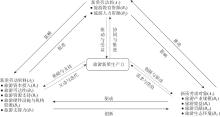
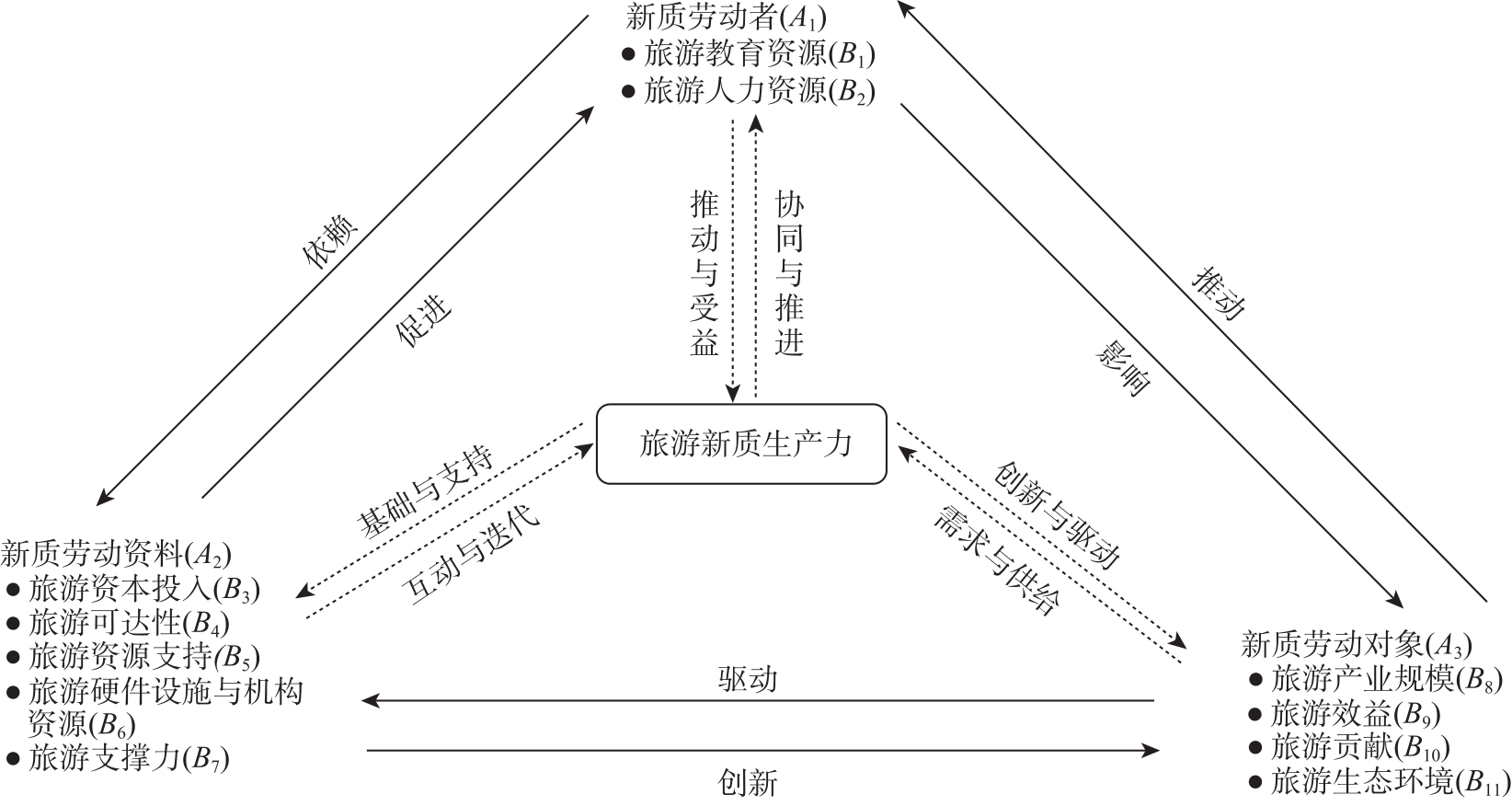
Fig. 1
Theoretical mechanism of new quality productivity in tourism (TNQP)"

Tab. 1
Comprehensive evaluation indicator system for new quality productivity in tourism (TNQP)"
| 目标层 | 准则层/权重 | 一级指标/权重 | 二级指标/权重 |
|---|---|---|---|
| 旅游新质生产力(A) | 新质劳动者(A1)/0.181 | 旅游教育资源(B1)/0.095 | 高等旅游院校数(X1)[ |
| 旅游院校学生数(X2)[ | |||
| 中等旅游职业学校数(X3)[ | |||
| 旅游人力资源(B2)/0.086 | 旅游从业人员数(X4)[ | ||
| 旅游R&D人员数(X5)[ | |||
| 新质劳动资料(A2)/0.321 | 旅游资本投入(B3)/0.016 | 旅游R&D经费(X6)[ | |
| 旅游可达性(B4)/0.038 | 铁路营业里程(X7)[ | ||
| 公路通车里程(X8)[ | |||
| 旅游资源支持(B5)/0.057 | A级旅游景区总数(X9)[ | ||
| 5A景区比例(X10)[ | |||
| 全国重点文物保护单位数量(X11)[ | |||
| 旅游硬件设施与机构资源(B6)/0.049 | 星级饭店数量(X12)[ | ||
| 五星级酒店占比(X13)[ | |||
| 旅行社总数(X14)[ | |||
| 旅游支撑力(B7)/0.161 | 光纤长度(X15)[ | ||
| 人均宽带接口(X16)[ | |||
| 每万人厕所数(X17)[ | |||
| 人均公共绿地面积(X18)[ | |||
| 生活垃圾无公害处理率(X19)[ | |||
| 人均GDP(X20)[ | |||
| 新质劳动对象(A3)/0.498 | 旅游产业规模(B8)/0.192 | 旅游业总收入(X21)[ | |
| 旅客周转量(X22)[ | |||
| 旅游外汇收入(X23)[ | |||
| 接待国内旅游人次(X24)[ | |||
| 接待国际旅游人次(X25)[ | |||
| 旅游效益(B9)/0.075 | 旅游企业营业收入(X26)[ | ||
| 旅游企业固定资产原值(X27)[ | |||
| 旅游贡献(B10)/0.092 | 旅游业总收入占GDP(X28)[ | ||
| 旅游就业人数占总就业人数(X29)[ | |||
| 旅游企业税金(X30)[ | |||
| 旅游生态环境(B11)/0.139 | 工业SO2(X31)[ | ||
| 废水(X32)[ | |||
| 一般工业固体废弃物(X33)[ |
Tab. 2
Comprehensive index grade of TNQP"
| 综合 指数 | 0.000~0.200 | 0.201~0.400 | 0.401~0.600 | 0.601~0.800 | 0.801~1.000 |
|---|---|---|---|---|---|
| 等级 | 弱 | 较弱 | 中等 | 较高 | 强 |
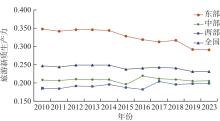
Fig. 2
Temporal evolution of TNQP in China and three major regions"
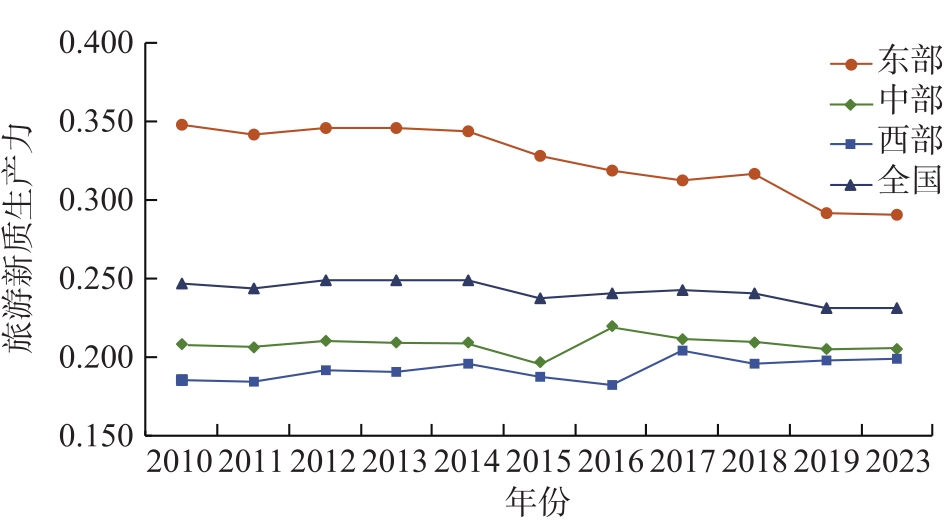
Fig. 3
Kernel density distributions of TNQP in China and three major regions"
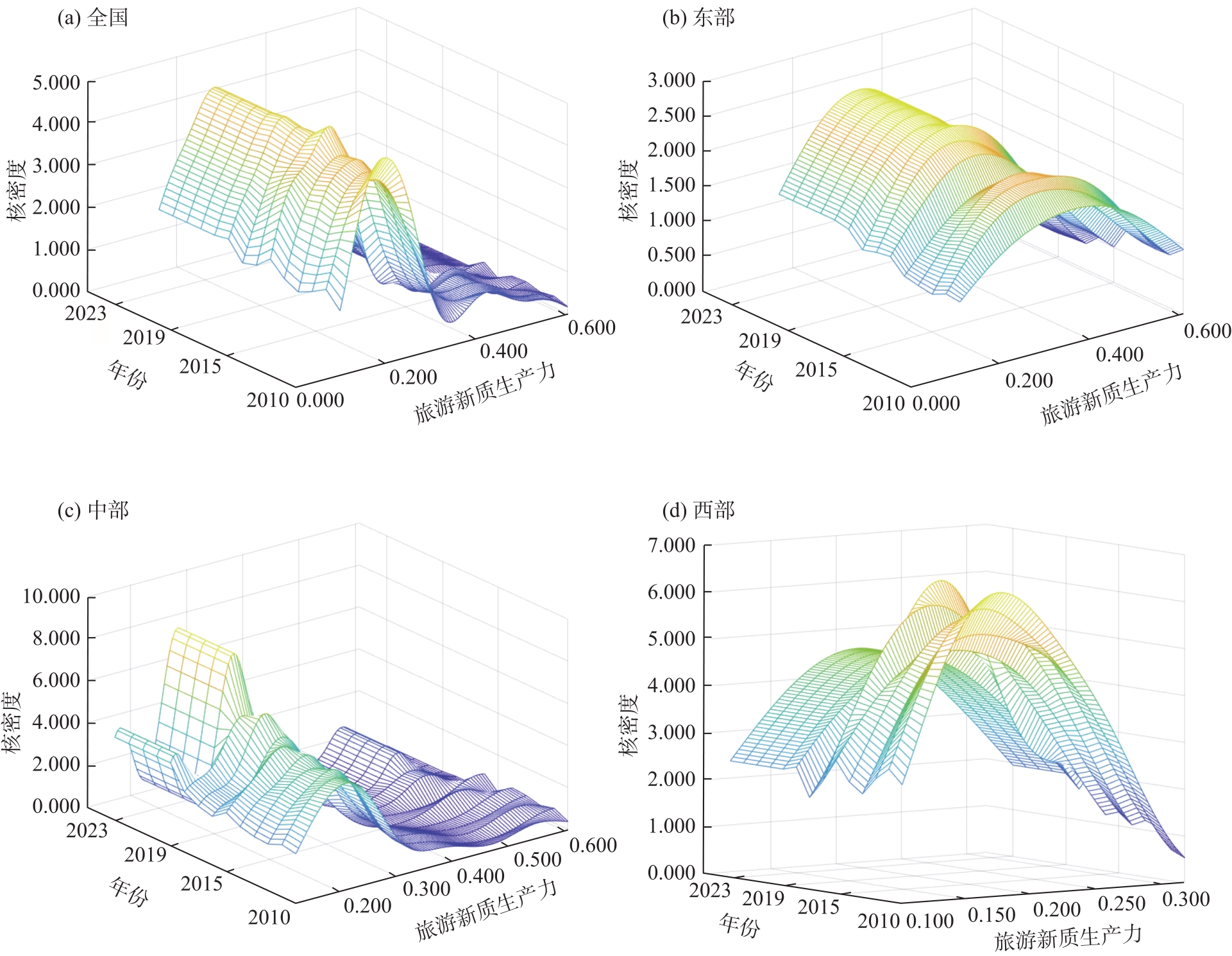
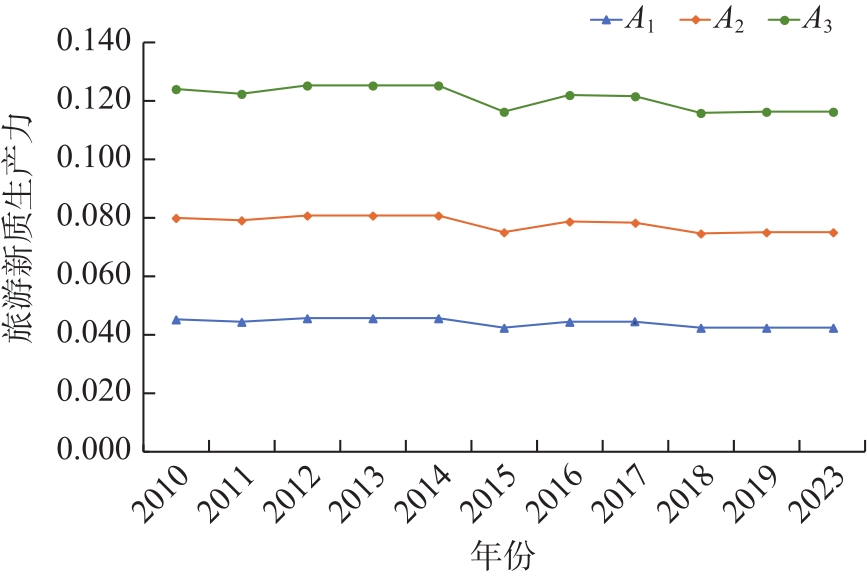
Fig. 4
Evolution of TNQP in different dimensions over time"
Tab. 3
Dagum Gini coefficient and decomposition of TNQP in China"
| 年份 | 整体基尼系数 | 贡献率/% | 区域内基尼系数 | 区域间基尼系数 | ||||||||
|---|---|---|---|---|---|---|---|---|---|---|---|---|
| 地区间差异 | 地区内差异 | 超变密度 | 东部 | 中部 | 西部 | 东-中部 | 东-西部 | 中-西部 | ||||
| 2010 | 0.239 | 63.021 | 25.292 | 11.687 | 0.223 | 0.098 | 0.141 | 0.290 | 0.334 | 0.131 | ||
| 2011 | 0.240 | 61.040 | 26.249 | 12.711 | 0.228 | 0.104 | 0.155 | 0.285 | 0.329 | 0.142 | ||
| 2012 | 0.233 | 60.541 | 26.143 | 13.316 | 0.212 | 0.116 | 0.155 | 0.277 | 0.314 | 0.146 | ||
| 2013 | 0.229 | 58.894 | 26.245 | 14.861 | 0.216 | 0.107 | 0.146 | 0.280 | 0.307 | 0.135 | ||
| 2014 | 0.235 | 59.268 | 26.307 | 14.425 | 0.222 | 0.114 | 0.148 | 0.286 | 0.318 | 0.140 | ||
| 2015 | 0.221 | 53.574 | 27.655 | 18.771 | 0.216 | 0.104 | 0.160 | 0.265 | 0.285 | 0.142 | ||
| 2016 | 0.223 | 53.189 | 28.348 | 18.463 | 0.230 | 0.135 | 0.150 | 0.248 | 0.288 | 0.160 | ||
| 2017 | 0.214 | 47.780 | 28.785 | 23.436 | 0.206 | 0.132 | 0.165 | 0.246 | 0.265 | 0.159 | ||
| 2018 | 0.219 | 45.224 | 29.570 | 25.204 | 0.225 | 0.131 | 0.168 | 0.255 | 0.269 | 0.155 | ||
| 2019 | 0.218 | 42.466 | 29.888 | 27.647 | 0.230 | 0.117 | 0.169 | 0.243 | 0.263 | 0.156 | ||
| 2023 | 0.223 | 54.449 | 27.450 | 18.051 | 0.222 | 0.115 | 0.155 | 0.269 | 0.230 | 0.148 | ||
| 均值 | 0.227 | 54.450 | 27.448 | 18.052 | 0.221 | 0.116 | 0.156 | 0.268 | 0.297 | 0.147 | ||
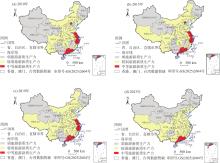
Fig. 5
Spatial distributions of TNQP in China"
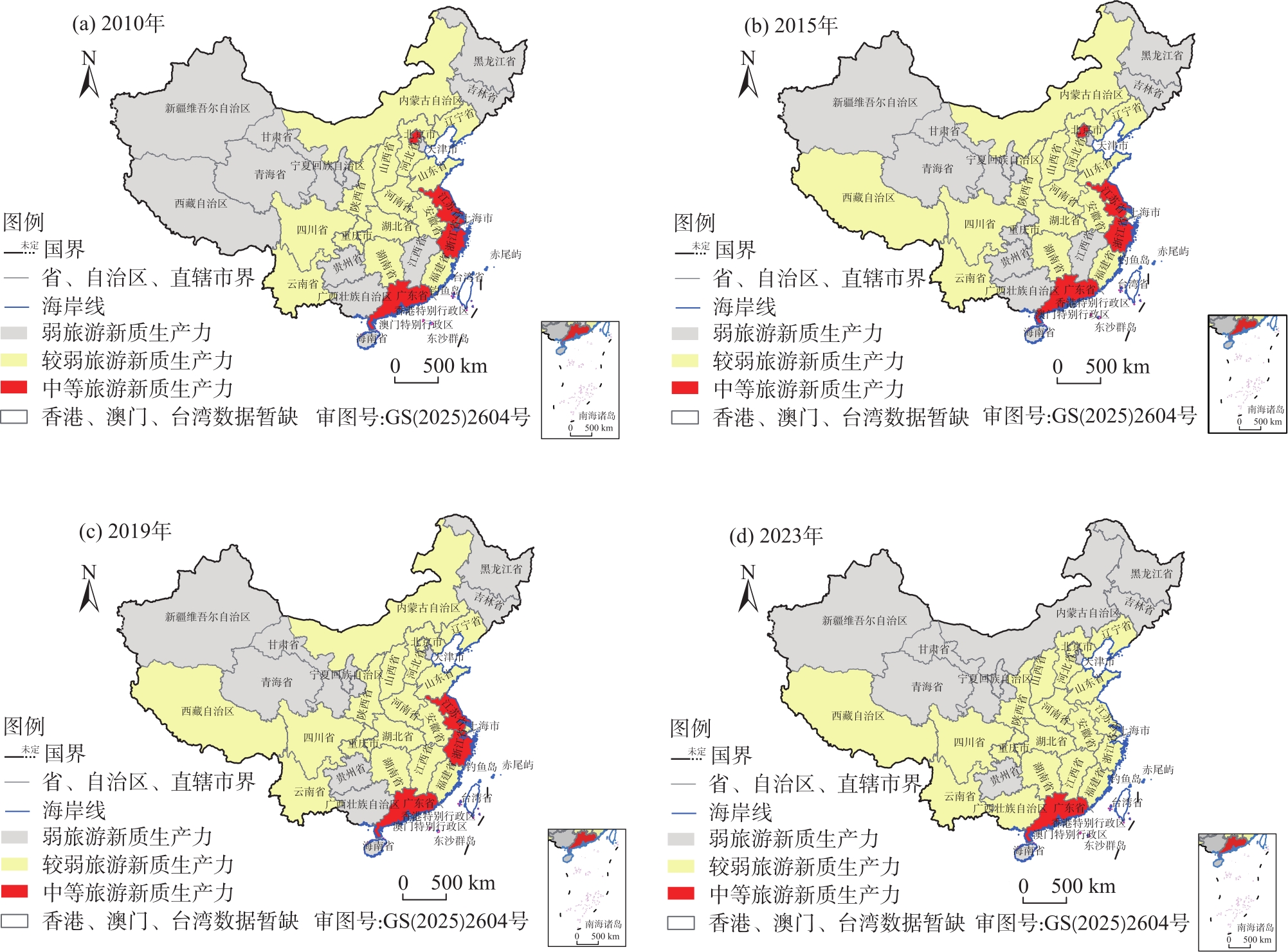
Fig. 6
Standard deviational ellipse and centroid trajectory of TNQP in China"
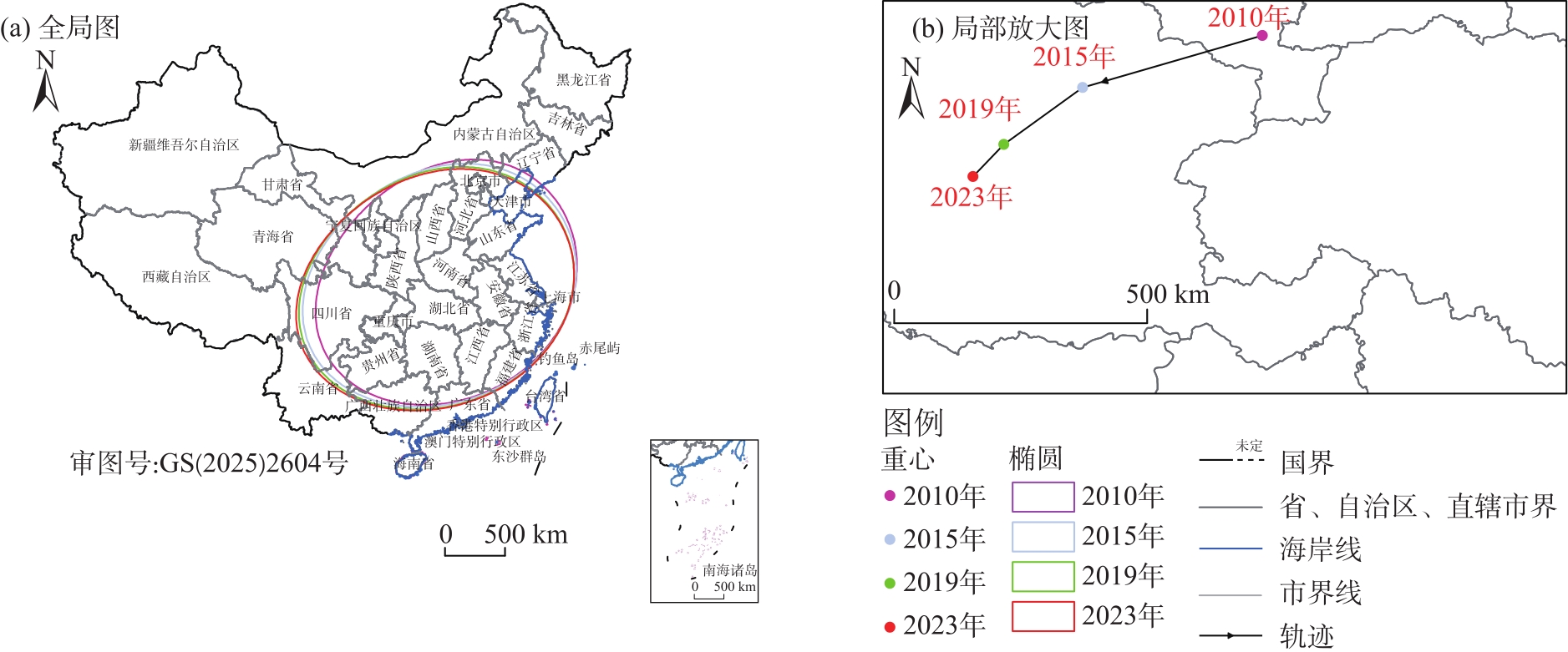
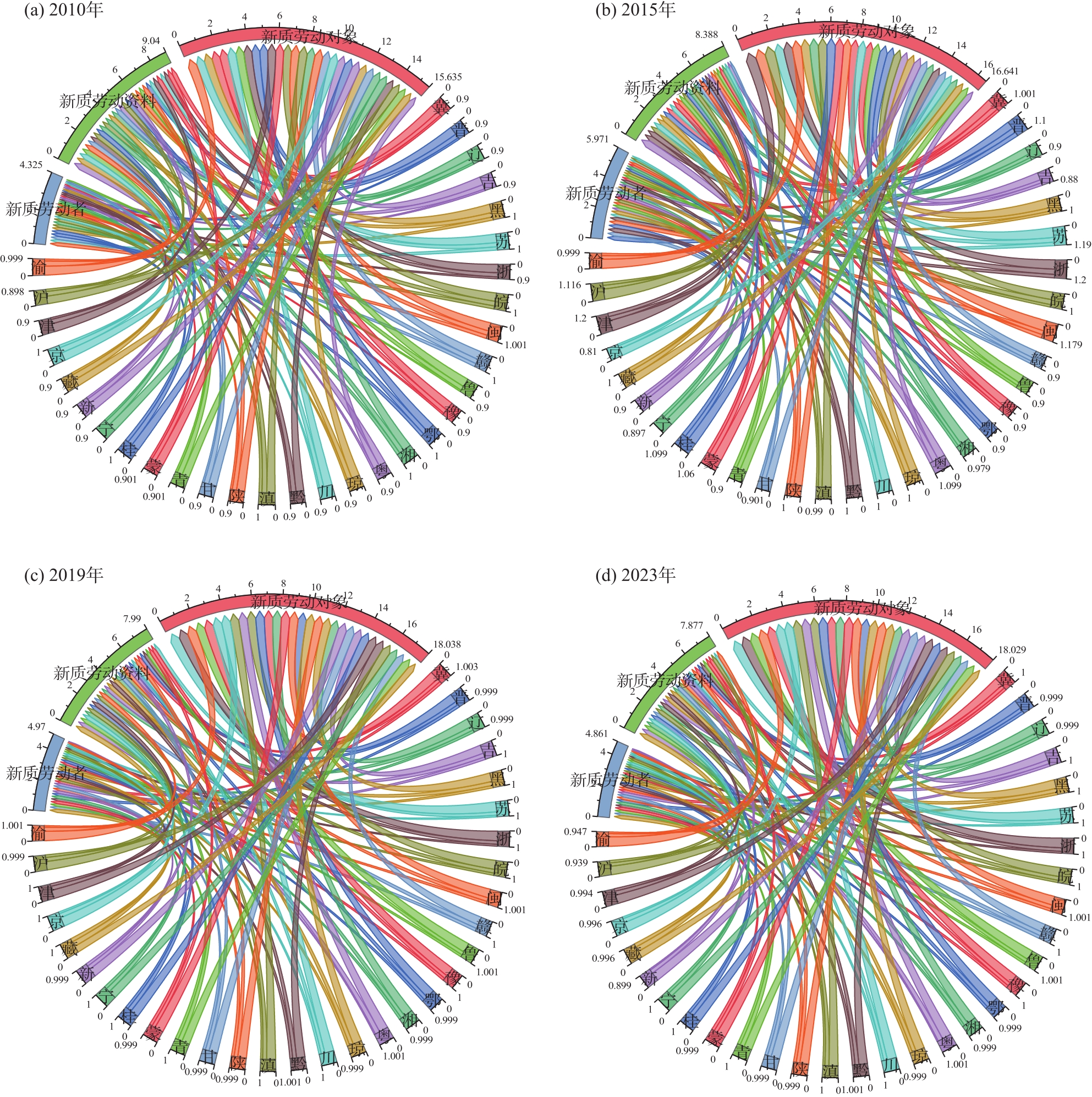
Fig. 7
Barriers to TNQP in China"
| [1] | 周绍东, 胡华杰. 新质生产力推动创新发展的政治经济学研究[J]. 新疆师范大学学报(哲学社会科学版), 2024, 45(5): 26-35. |
| [Zhou Shaodong, Hu Huajie. A political economy study on how new quality productivity promotes innovative development[J]. Journal of Xinjiang Normal University (Philosophy and Social Science), 2024, 45(5): 26-35.] | |
| [2] | 任保平, 王子月. 数字新质生产力推动经济高质量发展的逻辑与路径[J]. 湘潭大学学报(哲学社会科学版), 2023, 47(6): 23-30. |
| [Ren Baoping, Wang Ziyue. The logic and path of digital new quality productivity promoting high quality economic development[J]. Journal of Xiangtan University (Philosophy and Social Science), 2023, 47(6): 23-30.] | |
| [3] | 李政, 廖晓东. 新质生产力理论的生成逻辑、原创价值与实践路径[J]. 江海学刊, 2023(6): 91-98. |
| [Li Zheng, Liao Xiaodong. The generation logic, original value and practical path of the theory of new qualitative productivity[J]. Jianghai Journal, 2023(6): 91-98.] | |
| [4] | 魏崇辉. 新质生产力的基本意涵、历史演进与实践路径[J]. 理论与改革, 2023(6): 25-38. |
| [Wei Chonghui. The basic meaning, historical evolution and practical path of new quality productivity[J]. Theory and Reform, 2023(6): 25-38.] | |
| [5] | 戴翔. 以发展新质生产力推动高质量发展[J]. 天津社会科学, 2023, 6(6): 103-110. |
| [Dai Xiang. The promote high-quality development by developing new quality productivity[J]. Tianjin Social Science, 2023, 6(6): 103-110.] | |
| [6] | 李政, 廖晓东. 发展“新质生产力”的理论、历史和现实“三重”逻辑[J]. 政治经济学评论, 2023, 14(6): 146-159. |
| [Li Zheng, Liao Xiaodong. The theoretical, historical, and realistic “triple” logics of developing “new quality productive”[J]. Review of Political Economy, 2023, 14(6): 146-159.] | |
| [7] | 任宇新, 吴艳, 伍喆. 金融集聚、产学研合作与新质生产力[J]. 财经理论与实践, 2024, 45(3): 27-34. |
| [Ren Yuxin, Wu Yan, Wu Zhe. Financial agglomeration, industry-university research cooperation, and new quality productivity[J]. Financial Theory and Practice, 2024, 45(3): 27-34.] | |
| [8] | 侯冠宇, 张震宇, 董劭伟. 新质生产力赋能东北农业高质量发展: 理论逻辑、关键问题与现实路径[J]. 湖南社会科学, 2024(1): 69-76. |
| [Hou Guanyu, Zhang Zhenyu, Dong Shaowei. Empowering high-quality development of agriculture in northeast China with new productive forces: Theoretical logic, key issues, and practical paths[J]. Hunan Social Science, 2024(1): 69-76.] | |
| [9] |
时丽珍, 黄晓灵, 李增光, 等. 新质生产力赋能体育用品制造业高质量发展的出场语境、推进困囿与实践路径[J]. 沈阳体育学院学报, 2024, 43(2): 1-8.
doi: 10.12163/j.ssu.20240092 |
| [Shi Lizhen, Huang Xiaoling, Li Zengguang, et al. Appearance context, promotion constraints and practical paths of new quality productive forces empowering high-quality development of sporting goods manufacturing industry[J]. Journal of Shenyang Sports Institute, 2024, 43(2): 1-8.] | |
| [10] |
王金伟, 陆林, 王兆峰, 等. 新质生产力赋能旅游业高质量发展:理论内涵与科学问题[J]. 自然资源学报, 2024, 39(7): 1643-1663.
doi: 10.31497/zrzyxb.20240709 |
|
[Wang Jinwei, Lu Lin, Wang Zhaofeng, et al. Empowering the high-quality development of tourism with new quality productive forces[J]. Journal of Natural Resources, 2024, 39(7): 1643-1663.]
doi: 10.31497/zrzyxb.20240709 |
|
| [11] | 戴斌, 阳玉平. 新质生产力视域下我国旅游的理论建构与实践研究——中国旅游研究院院长、博士生导师戴斌教授访谈[J]. 社会科学家, 2024(3): 3-9. |
| [Dai Bin, Yang Yuping. Research on the theoretical construction and practice of tourism in China from the perspective of new quality productivity: Interview with professor Dai Bin, president and doctoral supervisor of China tourism academy[J]. Social Scientist, 2024(3): 3-9.] | |
| [12] | 余东华, 马路萌. 新质生产力与新型工业化: 理论阐释和互动路径[J]. 天津社会科学, 2023(6): 90-102. |
| [Yu Donghua, Ma Lumeng. New quality productivity and new industrialisation: Theoretical explanation and interactive path[J]. Tianjin Social Science, 2023(6): 90-102.] | |
| [13] | 彭文英, 赵爽, 单子溢, 等. 黄河流域新质生产力生态化水平测度与障碍因子[J/OL]. 干旱区地理. [2025-04-18]. https://kns-cnki-net.webvpn.xju.edu.cn:8040/kcms/detail/65.1103.X.202412-6.1323.002.html. |
| [Peng Wenying, Zhao Shuang, Shan Ziyi, et al. Measurement and obstacle factors of ecological level of new quality productive forces in the Yellow River Basin[J/OL]. Arid Land Geography. [2025-04-18]. https://kns-cnki-net.webvpn.xju.edu.cn:8040/kcms/detail/65.1103.X.20241216.1323.002.html.] | |
| [14] | 曹家宁, 金栋昌. 新质生产力的“自然-生态-社会”空间分析及其绿色意蕴[J]. 哈尔滨工业大学学报(社会科学版), 2025(2):115-124. |
| [Cao Jianing, Jin Dongchang. The “natural-ecological-social” spatial analysis of new quality productivity and its green implications[J]. Journal of Harbin Institute of Technology (Social Sciences Edition), 2025(2): 115-124.] | |
| [15] |
孙佼佼. 新质生产力赋能艺旅资源开发的全价值链: 内涵、模型与机制[J]. 自然资源学报, 2025, 40(4): 901-911.
doi: 10.31497/zrzyxb.20250403 |
|
[Sun Jiaojiao. Empowering the full value chain of art tourism resource development with new quality productive forces: Connotation, model, and mechanism[J]. Journal of Natural Resources, 2025, 40(4): 901-911.]
doi: 10.31497/zrzyxb.20250403 |
|
| [16] |
厉新建, 宋昌耀, 张安妮. 旅游业新质生产力: 难点与方向[J]. 旅游导刊, 2024, 8(3): 23-33.
doi: 10.12054/lydk.bisu.273 |
| [Li Xinjian, Song Changyao, Zhang Anni. New quality productive forces of tourism: Challenges and directions[J]. Tourism and Hospitality Prospects, 2024, 8(3): 23-33.] | |
| [17] | 明庆忠, 闫昕, 刘宏芳. “五链”融合赋能文旅新质生产力发展的逻辑及实现路径[J]. 学术探索, 2024(9): 40-49. |
| [Ming Qingzhong, Yan Xin, Liu Hongfan. The logic and realization path of “five chain” integration empowering the development of new quality productivity in culure and tourism[J]. Academic Exploration, 2024(9): 40-49.] | |
| [18] |
杨荣美, 周宏, 张燕妮, 等. 基于熵权TOPSIS方法与模糊物元模型的河西走廊地区旅游生态安全评估[J]. 干旱区地理, 2024, 47(1): 117-126.
doi: 10.12118/j.issn.1000-6060.2023.321 |
|
[Yang Rongmei, Zhou Hong, Zhang Yanni, et al. Tourism ecological security assessment in Hexi Corridor region based on entropy weight TOPSIS method and fuzzy matter-element model[J]. Arid Land Geography, 2024, 47(1): 117-126.]
doi: 10.12118/j.issn.1000-6060.2023.321 |
|
| [19] | 张姣玉, 罗红艳. 新质生产力: 中国式现代化新载体、新突破、新思路[J]. 郑州大学学报(哲学社会科学版), 2024, 57(4): 24-31. |
| [Zhang Jiaoyu, Luo Hongyan. New quality productive forces: A new carrier, breakthrough, and approach to Chinese-style modernization[J]. Journal of Zhengzhou University (Philosophy and Social Science Edition), 2024, 57(4): 24-31.] | |
| [20] | 任保平, 豆渊博. 新质生产力: 文献综述与研究展望[J]. 经济与管理评论, 2024, 40(3): 5-16. |
| [Ren Baoping, Dou Yuanbo. New quality productivity: Literature review and research outlook[J]. Economic and Management Review, 2024, 40(3): 5-16.] | |
| [21] | 王飞, 韩晓媛, 陈瑞华. 新质生产力赋能现代化产业体系: 内在逻辑与实现路径[J]. 当代经济管理, 2024, 46(6): 12-19. |
| [Wang Fei, Han Xiaoyuan, Chen Ruihua. Empowering modern industrial system with new quality productive forces: Intrinsic logic and implementation path[J]. Contemporary Economic Management, 2024, 46(6): 12-19.] | |
| [22] | 文丰安. 中国式现代化进程中的新质生产力: 核心动能及培育路径探析[J]. 东岳论丛, 2024(11): 5-15, 191. |
| [Wen Feng’an. New quality productive forces in the process of Chinese modernization: An analysis of core dynamics and cultivation path[J]. Dongyue Lunshun, 2024(11): 5-15, 191.] | |
| [23] | 谢爱良, 陆相林. 旅游创新竞争力评价指标体系的构建与影响因素分析[J]. 统计与决策, 2020, 36(18): 65-68. |
| [Xie Ailiang, Lu Xianglin. Construction of tourism innovation competitiveness evaluation index system and analysis of influencing factors[J]. Statistics and Decision Making, 2020, 36(18): 65-68.] | |
| [24] | 李慧, 王春峰, 李博, 等. 我国省际体育文化旅游节事资源支撑能力评价[J]. 统计与决策, 2018, 34(15): 111-116. |
| [Li Hui, Wang Chunfeng, Li Bo, et al. Evaluation of support capacity of interprovincial sports and cultural tourism festival resources in China[J]. Statistics and Decision Making, 2018, 34(15): 111-116.] | |
| [25] |
张新成, 高楠, 王琳艳, 等. 红色旅游高质量发展评价指标体系与培育路径研究——以红色旅游城市为例[J]. 干旱区地理, 2022, 45(6): 1927-1937.
doi: 10.12118/j.issn.1000-6060.2022.079 |
|
[Zhang Xincheng, Gao Nan, Wang Linyan, et al. Evaluation index system and cultivation path of high-quality development of red tourism: A case of red tourism cities[J]. Arid Land Geography, 2022, 45(6): 1927-1937.]
doi: 10.12118/j.issn.1000-6060.2022.079 |
|
| [26] | 吕雁琴, 王艺锦, 密瑞帮古丽·买买提, 等. 中国旅游设施发展水平的空间非均衡及动态演进[J]. 统计与决策, 2021, 37(12): 52-56. |
| [Lü Yanqin, Wang Yijin, Maimaiti Miruibangguli, et al. Spatial disequilibrium and dynamic evolution of tourism facilities development level in China[J]. Statistics and Decision Making, 2021, 37(12): 52-56.] | |
| [27] | 卢江, 郭子昂. 市域新质生产力: 水平测度、时空演化与影响因素——基于2012—2021年全国277个城市面板数据的研究[J]. 社会科学辑刊, 2024(4): 124-133. |
| [Lu Jiang, Guo Zi’ang. Municipal new quality productivity: Level measurement, spatial and temporal evolution and influencing factors: A study based on panel data of 277 cities in China from 2012 to 2021[J]. Social Science Journal, 2024(4): 124-133.] | |
| [28] | 蒋永穆, 乔张媛. 新质生产力发展评价指标体系构建[J]. 经济体制改革, 2024(3): 5-15. |
| [Jiang Yongmu, Qiao Zhangyuan. Construction of evaluation index system for new quality productive development[J]. Economic System Reform, 2024(3): 5-15.] | |
| [29] | 李刚. 京津冀城市群区域文化旅游竞争力评价及对策[J]. 社会科学家, 2022(4): 68-74. |
| [Li Gang. Evaluation and countermeasures of regional cultural tourism competitiveness in Beijing-Tianjin-Hebei urban agglomeration[J]. Social Scientist, 2022(4): 68-74.] | |
| [30] | 瞿华, 刘荣荣. 区域旅游竞争力评价与空间格局演化研究——以广东省21个地市为例[J]. 重庆大学学报(社会科学版), 2020, 26(4): 38-53. |
| [Qu Hua, Liu Rongrong. Study on regional tourism competitiveness evaluation and spatia pattern evolution: Taking Guangdong Province as an example[J]. Journal of Chongqing University (Social Science Edition), 2020, 26(4): 38-53.] | |
| [31] | 龚日朝. 新质生产力统计内涵、指标体系与应用研究[J]. 湖南科技大学学报(社会科学版), 2024, 27(3): 84-93. |
| [Gong Rizhao. On the statistical connotation, indicator system and application of new quality productivity[J]. Journal of Hunan University of Science and Technology (Social Science Edition), 2024, 27(3): 84-93.] | |
| [32] | 舒波, 靳晓双, 程培娴. 省域旅游产业高质量发展水平评价指标体系构建与实证[J]. 统计与决策, 2022, 38(24): 22-27. |
| [Shu Bo, Jin Xiaoshuang, Cheng Peixian. Construction and empirical study of evaluation index system of high-quality development level of provincial tourism industry[J]. Statistics and Decision Making, 2022, 38(24): 22-27.] | |
| [33] |
冯学钢, 李志远, 钟伟. 黄河流域文旅融合与生态韧性协同演化及障碍因素[J]. 中国沙漠, 2025, 45(6): 141-153.
doi: 10.7522/j.issn.1000-694X.2025.00085 |
|
[Feng Xuegang, Li Zhiyuan, Zhong Wei. Synergistic evolution and obstacles of cultural-tourism integration and ecological resilience in the Yellow River Basin[J]. Journal of Desert Research, 2025, 45(6): 141-153.]
doi: 10.7522/j.issn.1000-694X.2025.00085 |
|
| [34] |
曾鹏, 覃意晗, 周联超. 中国城市新质生产力水平的测算及时空格局[J]. 地理科学进展, 2024, 43(6): 1102-1117.
doi: 10.18306/dlkxjz.2024.06.005 |
| [Zeng Peng, Qin Yihan, Zhou Lianchao. Measurement and spatiotemporal pattern of new quality productive forces level in Chinese cities[J]. Progress in Geoscience, 2024, 43(6): 1102-1117.] | |
| [35] | 王慧. 文旅融合背景下城市优质旅游有效供给能力评价——以沈阳市为例[J]. 社会科学家, 2021(1): 38-46. |
| [Wang Hui. Evaluation on the effective supply capacity of urban high quality tourism under the background of cultural tourism integration: A case study of Shenyang[J]. Social Scientist, 2021(1): 38-46.] | |
| [36] | 程广斌, 孙雪英, 刘晨曦. 新质生产力的动态演变、区域差异及空间收敛特征[J]. 统计与决策, 2025, 41(9): 5-11. |
| [Cheng Guangbin, Sun Xueying, Liu Chenxi. Dynamic evolution, regional differences and spatial convergence characteristics of new quality productivity[J]. Statistics and Decision Making, 2025, 41(9): 5-11.] |
|
||

