干旱区地理 ›› 2026, Vol. 49 ›› Issue (1): 106-116.doi: 10.12118/j.issn.1000-6060.2024.789 cstr: 32274.14.ALG2024789
李亚茹1,2( ), 白洋1,2(), 周春山3, 陈明珠1,2
收稿日期:2024-12-25
修回日期:2025-03-20
出版日期:2026-01-25
发布日期:2026-01-18
通讯作者:
白洋(1982-),男,博士,副教授,主要从事旅游科学与服务管理研究. E-mail: baiyang@xju.edu.cn作者简介:李亚茹(2000-),女,博士研究生,主要从事旅游可持续发展研究. E-mail: liyaru20002023@163.com
基金资助:
LI Yaru1,2(), BAI Yang1,2(), ZHOU Chunshan3, CHEN Mingzhu1,2
Received:2024-12-25
Revised:2025-03-20
Published:2026-01-25
Online:2026-01-18
摘要:
快速交通、旅游经济与旅游生态效率的协调互动,对于推动旅游业绿色转型进而实现高质量发展具有重要意义。基于2009—2022年中国省际面板数据构建面板向量自回归(PVAR)模型,探究三者的互动机理、交互关系及异质特征。结果表明:(1)快速交通、旅游经济与旅游生态效率均呈现较为积极的增长态势,由低逐渐向高发展水平支撑下的良性均衡过渡是三者协调发展的主流趋势。(2)快速交通与旅游经济在全国和东部地区存在双向格兰杰因果关系,二者呈现良性的正向交互响应但并不持久。快速交通的自我强化特征突出,旅游经济在以自驱为主的同时主要受到快速交通的较强影响。(3)快速交通与旅游生态效率间仅存在单向格兰杰因果关系,快速交通对旅游生态效率的正向驱动趋向波动递减,旅游生态效率对快速交通的冲击普遍微弱。二者互动失调明显,相互呈现低水平的方差贡献度。(4)旅游经济与旅游生态效率在全国存在双向格兰杰因果关系,具有旅游经济驱动短期强势且有效、旅游生态效率作用持续乏力且无序的互动响应特征。旅游生态效率的内部推力不足,在东部和中部地区旅游经济对其方差贡献率最大。
李亚茹, 白洋, 周春山, 陈明珠. 基于PVAR模型的中国快速交通、旅游经济与旅游生态效率关系研究[J]. 干旱区地理, 2026, 49(1): 106-116.
LI Yaru, BAI Yang, ZHOU Chunshan, CHEN Mingzhu. Relationship between rapid transportation, tourism economy and tourism eco-efficiency in China based on PVAR model[J]. Arid Land Geography, 2026, 49(1): 106-116.
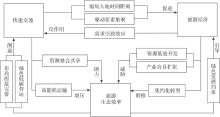
图1
快速交通、旅游经济与旅游生态效率的影响机理"
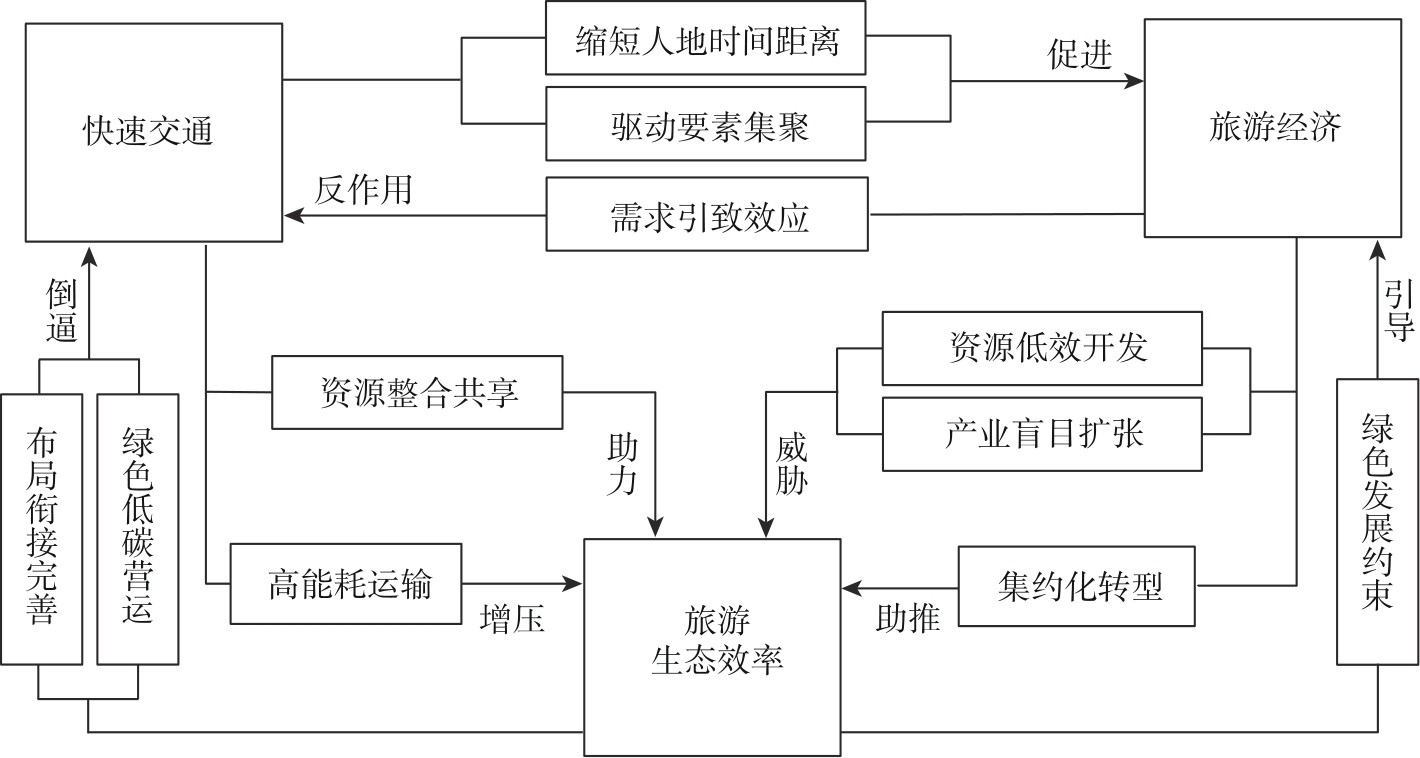

表1
快速交通综合评价指标体系"
| 目标层 | 准则层 | 指标层 | 测算方法 |
|---|---|---|---|
| 快速 交通 | 高速 公路 | 路网密度/km∙km-2 | 各省高速公路里程与国土面积之比 |
| 路网衔接性/% | 各省高速公路里程占公路总里程比例 | ||
| 干线影响力/ 104人∙d-1 | 各省日均公路客运量 | ||
| 通车覆盖率/% | 各省高速公路通车地级市比例 | ||
| 民航 | 通航密度/架次∙d-1 | 各省日均飞机起降架次 | |
| 机场等级/分 | 依据各省境内机场飞行区等级,3C、4C、4D、4E、4F依次计2分、4分、6分、8分、10分,并求和 | ||
| 通航覆盖率/% | 各省民航通航地级市比例 | ||
| 枢纽影响力/ 104人∙d-1 | 各省日均旅客吞吐量 | ||
| 高铁 | 路网密度/km∙km-2 | 各省高铁里程与国土面积之比 | |
| 站点密度/个∙km-2 | 各省高铁站点数量与国土面积之比 | ||
| 干线数量/条 | 各省高铁线路数量 | ||
| 通车覆盖率/% | 各省高铁通车地级市比例 |
表2
单位面板根检验"
| 变量 | 项目 | HT | IPS | Fisher-ADF | 检验结论 |
|---|---|---|---|---|---|
| lnRTS | 水平数据 | -2.769*** | -5.604*** | 195.473*** | 平稳 |
| lnTE | 0.225 | -1.971** | 48.999 | 不平稳 | |
| lnTEE | -3.209*** | -3.636*** | 114.658*** | 平稳 | |
| DlnRTS | 一阶差分 | -9.706*** | -9.576*** | 286.120*** | 平稳 |
| DlnTE | -9.666*** | -6.744*** | 142.364*** | 平稳 | |
| DlnTEE | -13.090*** | -9.208*** | 169.420*** | 平稳 |
表3
不同准则下模型滞后期阶数选择"
| 区域 | 滞后阶数 | AIC | BIC | HQIC | 区域 | 滞后阶数 | AIC | BIC | HQIC |
|---|---|---|---|---|---|---|---|---|---|
| 全国 | 1 | 9.260* | -84.718* | -28.606* | 中部 | 1 | -18.771* | -80.241* | -43.243* |
| 2 | 12.707 | -49.944 | -12.537 | 2 | -13.546 | -54.526 | -29.860 | ||
| 3 | 12.641 | -18.648 | 0.019 | 3 | -4.176 | -24.666 | -12.334 | ||
| 东部 | 1 | -9.415* | -78.653* | -37.402* | 西部 | 1 | -15.640 | -77.110* | -40.112* |
| 2 | -5.910 | -52.069 | -24.568 | 2 | -16.282* | -57.262 | -32.596 | ||
| 3 | -4.144 | -27.223 | -13.473 | 3 | -9.117 | -29.607 | -17.274 |
表4
格兰杰因果检验结果"
| 区域 | 变量 | DlnRTS | DlnTE | DlnTEE | |||||
|---|---|---|---|---|---|---|---|---|---|
| 卡方 | P值 | 卡方 | P值 | 卡方 | P值 | ||||
| 全国 | DlnRTS | - | - | 3.262* | 0.071 | 4.748** | 0.029 | ||
| DlnTE | 2.758* | 0.097 | - | - | 6.140** | 0.013 | |||
| DlnTEE | 2.499 | 0.114 | 4.888** | 0.027 | - | - | |||
| 东部 | DlnRTS | - | - | 4.314** | 0.038 | 0.092 | 0.762 | ||
| DlnTE | 3.126* | 0.077 | - | - | 1.287 | 0.257 | |||
| DlnTEE | 0.559 | 0.455 | 1.768 | 0.184 | - | - | |||
| 中部 | DlnRTS | - | - | 0.879 | 0.349 | 0.137 | 0.712 | ||
| DlnTE | 1.054 | 0.305 | - | - | 2.976* | 0.085 | |||
| DlnTEE | 2.940* | 0.086 | 1.204 | 0.273 | - | - | |||
| 西部 | DlnRTS | - | - | 2.978* | 0.084 | 4.520** | 0.033 | ||
| DlnTE | 0.003 | 0.954 | - | - | 3.038* | 0.081 | |||
| DlnTEE | 2.057 | 0.152 | 0.441 | 0.507 | - | - | |||
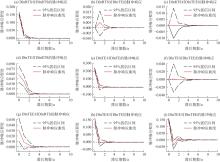
图2
全国脉冲响应 注:lnRTS、lnTE和lnTEE分别为做自然对数处理的快速交通、旅游经济和旅游生态效率变量;DlnRTS、DlnTE和DlnTEE分别为在此基础上做一阶差分处理的快速交通、旅游经济和旅游生态效率变量。"
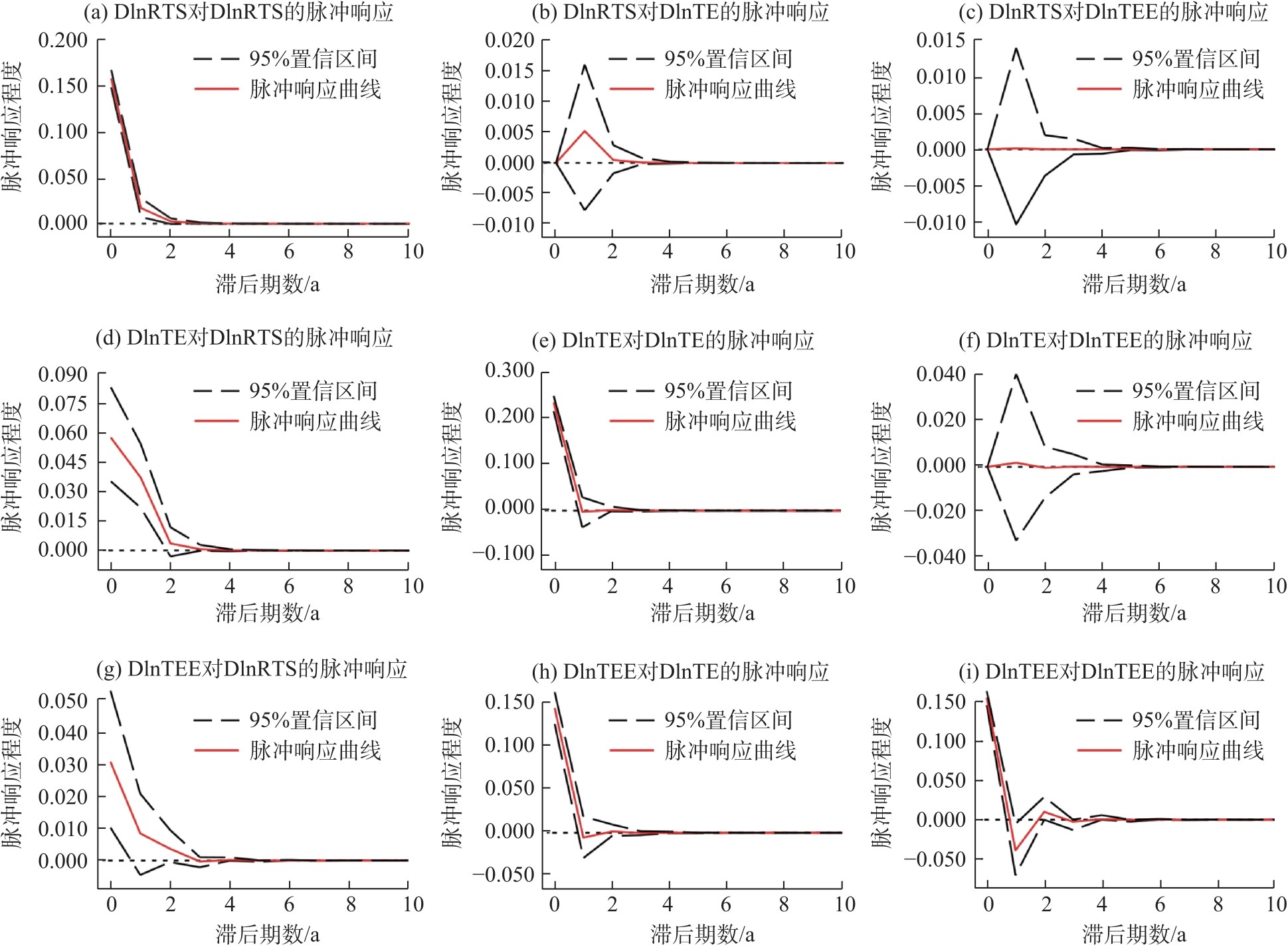
表5
面板向量自回归(PVAR)模型方差分解结果"
| 预测期 | 响应变量 | 冲击变量 | 冲击变量 | ||||||
|---|---|---|---|---|---|---|---|---|---|
| DlnRTS | DlnTE | DlnTEE | DlnRTS | DlnTE | DlnTEE | ||||
| 1 | DlnRTS | 全国 | 1.000 | 0.000 | 0.000 | 中部 | 1.000 | 0.000 | 0.000 |
| 5 | 0.999 | 0.001 | 0.000 | 0.997 | 0.001 | 0.002 | |||
| 10 | 0.999 | 0.001 | 0.000 | 0.997 | 0.001 | 0.002 | |||
| 1 | DlnTE | 0.048 | 0.952 | 0.000 | 0.047 | 0.953 | 0.000 | ||
| 5 | 0.075 | 0.925 | 0.000 | 0.110 | 0.888 | 0.002 | |||
| 10 | 0.075 | 0.925 | 0.000 | 0.110 | 0.888 | 0.002 | |||
| 1 | DlnTEE | 0.022 | 0.502 | 0.477 | 0.013 | 0.560 | 0.427 | ||
| 5 | 0.023 | 0.479 | 0.498 | 0.017 | 0.536 | 0.447 | |||
| 10 | 0.023 | 0.479 | 0.498 | 0.017 | 0.536 | 0.447 | |||
| 1 | DlnRTS | 东部 | 1.000 | 0.000 | 0.000 | 西部 | 1.000 | 0.000 | 0.000 |
| 5 | 0.994 | 0.001 | 0.005 | 0.995 | 0.002 | 0.003 | |||
| 10 | 0.994 | 0.001 | 0.005 | 0.995 | 0.002 | 0.003 | |||
| 1 | DlnTE | 0.071 | 0.929 | 0.000 | 0.037 | 0.963 | 0.000 | ||
| 5 | 0.066 | 0.879 | 0.055 | 0.079 | 0.908 | 0.012 | |||
| 10 | 0.066 | 0.878 | 0.056 | 0.079 | 0.908 | 0.012 | |||
| 1 | DlnTEE | 0.028 | 0.616 | 0.356 | 0.027 | 0.396 | 0.577 | ||
| 5 | 0.029 | 0.618 | 0.353 | 0.047 | 0.363 | 0.590 | |||
| 10 | 0.029 | 0.618 | 0.353 | 0.047 | 0.363 | 0.590 | |||
| [1] |
Lenzen M, Sun Y Y, Faturay F, et al. The carbon footprint of global tourism[J]. Nature Climate Change, 2018, 8(6): 522-529.
doi: 10.1038/s41558-018-0141-x |
| [2] |
Gössling S, Peeters P, Ceron J P, et al. The eco-efficiency of tourism[J]. Ecological Economics, 2005, 54(4): 417-434.
doi: 10.1016/j.ecolecon.2004.10.006 |
| [3] | 王兆峰, 刘庆芳. 长江经济带旅游生态效率时空演变及其影响因素[J]. 长江流域资源与环境, 2019, 28(10): 2289-2298. |
| [Wang Zhaofeng, Liu Qingfang. Spatio-temporal evolution and influencing factors of tourism eco-efficiency in the Yangtze River Economic Belt[J]. Resources and Environment in the Yangtze Basin, 2019, 28(10): 2289-2298.] | |
| [4] | 田坤, 行伟波, 黄坤. 交通基础设施升级与旅游经济高质量发展——基于高铁开通的实证研究[J]. 经济学报, 2023, 10(4): 227-251. |
|
[Tian Kun, Xing Weibo, Huang Kun. Transportation infrastructure upgrading and high-quality development of tourism economy: An empirical study based on the opening of high-speed railway[J]. China Journal of Economics, 2023, 10(4): 227-251.]
doi: 10.26599/CJE.2023.9300408 |
|
| [5] | Wang R, Xia B, Dong S C, et al. Research on the spatial differentiation and driving forces of eco-efficiency of regional tourism in China[J]. Sustainability, 2020, 13(1): 280, doi: 10.3390/su13010280. |
| [6] |
郭向阳, 穆学青, 明庆忠, 等. 旅游地交通服务功能与旅游强度协调时空分异特征——以云南省为例[J]. 自然资源学报, 2020, 35(6): 1425-1444.
doi: 10.31497/zrzyxb.20200615 |
|
[Guo Xiangyang, Mu Xueqing, Ming Qingzhong, et al. Spatial and temporal differentiation characteristics of transportation service function and tourism intensity coordination: A case study of Yunnan Province[J]. Journal of Natural Resources, 2020, 35(6): 1425-1444.]
doi: 10.31497/zrzyxb.20200615 |
|
| [7] | 孔令章, 李晓东, 白洋, 等. 长距离高铁对沿线城市旅游经济联系的空间影响及角色分析——以兰新高铁为例[J]. 干旱区地理, 2019, 42(3): 681-688. |
| [Kong Lingzhang, Li Xiaodong, Bai Yang, et al. Spatial effect of long-distance high-speed railway on tourism economic link and role analysis of cities along the railway: A case of Lanzhou-Xinjiang high-speed rail[J]. Arid Land Geography, 2019, 42(3): 681-688.] | |
| [8] |
林玉英, 靳一东, 张发梓, 等. 中国优秀旅游城市旅游经济空间格局演变特征及影响因素[J]. 地理科学, 2024, 44(6): 973-983.
doi: 10.13249/j.cnki.sgs.20230579 |
|
[Lin Yuying, Jin Yidong, Zhang Fazi, et al. Spatial pattern evolution characteristics and influencing factors of tourism economy in Chinese excellent tourism cities[J]. Scientia Geographica Sinica, 2024, 44(6): 973-983.]
doi: 10.13249/j.cnki.sgs.20230579 |
|
| [9] |
白洋, 谭李娜, 刘晓燕, 等. 高铁开通对西北地区旅游经济的影响效应及其融合路径[J]. 干旱区地理, 2024, 47(12): 2124-2134.
doi: 10.12118/j.issn.1000-6060.2024.238 |
|
[Bai Yang, Tan Lina, Liu Xiaoyan, et al. Integration path and influence effect of tourism economy in northwest China[J]. Arid Land Geography, 2024, 47(12): 2124-2134.]
doi: 10.12118/j.issn.1000-6060.2024.238 |
|
| [10] | 凌欢, 程励. 非对称视角下区域旅游经济差异形成机制研究——基于31个省(区、市)的清晰集定性比较分析[J]. 旅游科学, 2023, 37(4): 161-182. |
| [Ling Huan, Cheng Li. A study of the formation mechanism of regional tourism economic disparity from asymmetrical perspective based on a comparative analysis of csQCA of the 31 provinces[J]. Tourism Science, 2023, 37(4): 161-182.] | |
| [11] | 李瑞, 奚世军, 吴晓俊, 等. 贵广高铁对沿线旅游城市可达性影响测度及其地域结构系统构建[J]. 世界地理研究, 2017, 26(4): 62-72. |
| [Li Rui, Xi Shijun, Wu Xiaojun, et al. The influence of accessibility of tourism cities and the construction of regional structure system under the Guiyang-Guangzhou high-speed railway[J]. World Regional Studies, 2017, 26(4): 62-72.] | |
| [12] | 姬宸宇, 张含宇. 旅游业、民航业和经济增长之间的动态关系——基于中国主要旅游城市的面板数据分析[J]. 旅游学刊, 2021, 36(12): 40-53. |
| [Ji Chenyu, Zhang Hanyu. Dynamic relationship between civil aviation, tourism and economic growth: Based on panel data analysis of major tourist cities in China[J]. Tourism Tribune, 2021, 36(12): 40-53.] | |
| [13] | 汪晓文, 陈垚. 西北地区交通基础设施与旅游经济增长的交互影响研究——基于PVAR模型的实证分析[J]. 兰州大学学报(社会科学版), 2020, 48(4): 31-38. |
| [Wang Xiaowen, Chen Yao. Research on reciprocal effects of transportation infrastructure and tourism economic growth in northwest China: An empirical analysis based on PVAR model[J]. Journal of Lanzhou University (Social Sciences Edition), 2020, 48(4): 31-38.] | |
| [14] |
Kelly J, Williams P W. Modelling tourism destination energy consumption and greenhouse gas emissions: Whistler, British Columbia, Canada[J]. Journal of Sustainable Tourism, 2007, 15(1): 67-90.
doi: 10.2167/jost609.0 |
| [15] | 田红, 赵庆朋. 高质量发展下区域旅游生态效率评价及影响因素研究——以山东省为例[J]. 干旱区资源与环境, 2022, 36(12): 201-208. |
| [Tian Hong, Zhao Qingpeng. Evaluation on regional tourism ecological efficiency under high quality development: A case of Shandong Province[J]. Journal of Arid Land Resources and Environment, 2022, 36(12): 201-208.] | |
| [16] |
王凯, 邹楠, 甘畅. 旅游技术效率、旅游绿色生产率收敛性及其影响因素[J]. 经济地理, 2022, 42(6): 215-224.
doi: 10.15957/j.cnki.jjdl.2022.06.022 |
| [Wang Kai, Zou Nan, Gan Chang. Convergence and influencing factors of tourism technical efficiency, green productivity[J]. Economic Geography, 2022, 42(6): 215-224.] | |
| [17] | 郑兵云, 杨冕. 基于生态环境的城市交通效率及其影响因素分析[J]. 华东经济管理, 2018, 32(6): 164-170. |
| [Zheng Bingyun, Yang Mian. An analysis of urban transport efficiency based on ecological environment and its influencing factors[J]. East China Economic Management, 2018, 32(6): 164-170.] | |
| [18] |
麻学锋, 谭佳欣. 湘西地区交通可达性对旅游环境系统韧性的影响及空间溢出效应[J]. 地理科学, 2023, 43(2): 291-300.
doi: 10.13249/j.cnki.sgs.2023.02.011 |
|
[Ma Xuefeng, Tan Jiaxin. Impact of traffic accessibility on the resilience of tourism environment system and spatial spillover effects in Xiangxi area[J]. Scientia Geographica Sinica, 2023, 43(2): 291-300.]
doi: 10.13249/j.cnki.sgs.2023.02.011 |
|
| [19] | Bai Y, Li Y R. The threshold effect and driving path of the rapid transit system on tourism eco-efficiency in China[J]. Frontiers in Environmental Science, 2024, 12: 1386631, doi: 10.3389/fenvs.2024.1386631. |
| [20] | WBCSD. Eco-efficiency: Creating more value with less impact[R]. Geneva: WBCSD, 2000. |
| [21] |
Gössling S. Global environmental consequences of tourism[J]. Global Environmental Change, 2002, 12(4): 283-302.
doi: 10.1016/S0959-3780(02)00044-4 |
| [22] | 刘佳, 刘贤明, 安珂珂, 等. 长三角城市群旅游环境承载力时空分异格局与空间效应研究[J]. 长江流域资源与环境, 2022, 31(7): 1441-1454. |
| [Liu Jia, Liu Xianming, An Keke, et al. Research on spatio-temporal differentiation and spatial effect of tourism environmental carrying capacity of Yangtze River Delta urban agglomerations[J]. Resources and Environment in the Yangtze Basin, 2022, 31(7): 1441-1454.] | |
| [23] | 李智慧, 王凯, 余芳芳, 等. 中国旅游业碳排放—旅游经济—生态环境耦合协调时空分异研究[J]. 地理与地理信息科学, 2022, 38(6): 110-118. |
| [Li Zhihui, Wang Kai, Yu Fangfang, et al. Temporal and spatial differentiation of coupling coordination of tourism carbon emissions, tourism economy and ecological environment in China[J]. Geography and Geo-Information Science, 2022, 38(6): 110-118.] | |
| [24] | 马勇, 李丽霞, 任洁. 神农架林区旅游经济—交通状况—生态环境协调发展研究[J]. 经济地理, 2017, 37(10): 215-220. |
| [Ma Yong, Li Lixia, Ren Jie. Coordination development research among the tourism economy-traffic condition-ecological environment in shennongjia forest district[J]. Economic Geography, 2017, 37(10): 215-220.] | |
| [25] |
王胜鹏, 乔花芳, 冯娟, 等. 黄河流域旅游生态效率时空演化及其与旅游经济互动响应[J]. 经济地理, 2020, 40(5): 81-89.
doi: 10.15957/j.cnki.jjdl.2020.05.009 |
|
[Wang Shengpeng, Qiao Huafang, Feng Juan, et al. The spatio-temporal evolution of tourism eco-efficiency in the Yellow River Basin and its interactive response with tourism economy development level[J]. Economic Geography, 2020, 40(5): 81-89.]
doi: 10.15957/j.cnki.jjdl.2020.05.009 |
|
| [26] | Bo Z, Wen Z H, Yang Y. Agglomerating or dispersing? Spatial effects of high-speed trains on regional tourism economies[J]. Tourism Management, 2021, 87: 104392, doi: 10.1016/j.tourman.2021.104392. |
| [27] |
徐晓亮, 黄丹, 刘旭义, 等. 中国省域旅游效率时空演变特征及影响因素研究[J]. 干旱区地理, 2023, 46(12): 2052-2060.
doi: 10.12118/j.issn.1000-6060.2023.157 |
|
[Xu Xiaoliang, Huang Dan, Liu Xuyi, et al. Spatiotemporal evolution characteristics and influencing factors of provincial tourism efficiency in China[J]. Arid Land Geography, 2023, 46(12): 2052-2060.]
doi: 10.12118/j.issn.1000-6060.2023.157 |
|
| [28] |
郭向阳, 穆学青, 明庆忠, 等. 长江经济带快速交通系统对城市旅游生产率的影响效应分析[J]. 经济地理, 2021, 41(12): 213-222.
doi: 10.15957/j.cnki.jjdl.2021.12.023 |
|
[Guo Xiangyang, Mu Xueqing, Ming Qingzhong, et al. Impact effect of rapid transport system on urban tourism productivity in the Yangtze River Economic Belt[J]. Economic Geography, 2021, 41(12): 213-222.]
doi: 10.15957/j.cnki.jjdl.2021.12.023 |
|
| [29] |
郭向阳, 穆学青, 明庆忠, 等. 旅游地快速交通优势度与旅游流强度的空间耦合分析[J]. 地理研究, 2019, 38(5): 1119-1135.
doi: 10.11821/dlyj020181347 |
| [Guo Xiangyang, Mu Xueqing, Ming Qingzhong, et al. Spatial coupling between rapid traffic superiority degree and tourist flow intensity in tourist destinations[J]. Geographical Research, 2019, 38(5): 1119-1135.] | |
| [30] | 卢飞, 宫红平. 中国旅游生态效率测度、时空特征与影响因素研究[J]. 统计与决策, 2020, 36(16): 96-100. |
| [Lu Fei, Gong Hongping. Research on the measurement, spatial and temporal characteristics and influencing factors of tourism eco-efficiency in China[J]. Statistics & Decision, 2020, 36(16): 96-100.] | |
| [31] |
张燕, 章杰宽. 旅游收入、交通基础设施和二氧化碳排放——基于PVAR模型的多变量经济学分析[J]. 中国生态旅游, 2022, 12(4): 632-645.
doi: 10.12342/zgstly.20220025 |
|
[Zhang Yan, Zhang Jiekuan. Tourism revenue, transport infrastructure, and carbon dioxide emissions: A multivariate economic analysis using the PVAR model[J]. Journal of Chinese Ecotourism, 2022, 12(4): 632-645.]
doi: 10.12342/zgstly.20220025 |
|
| [32] |
王超, 雷婷, 孟晓莎, 等. “交旅”融合下旅游经济与高速交通协调发展分析——以关中平原城市群为例[J]. 干旱区地理, 2024, 47(6): 1015-1025.
doi: 10.12118/j.issn.1000-6060.2023.332 |
|
[Wang Chao, Lei Ting, Meng Xiaosha, et al. Analysis of the coordinated development of tourism economy and high-speed transportation under the integration of “transportation and tourism”: Based on Guanzhong Plain urban agglometration[J]. Arid Land Geography, 2024, 47(6): 1015-1025.]
doi: 10.12118/j.issn.1000-6060.2023.332 |
|
| [33] | 白洋, 李亚茹. 中国快速交通系统与旅游生态效率脱钩关系及时空格局演化[J]. 生态经济, 2025, 41(1): 176-184. |
| [Bai Yang, Li Yaru. The decoupling relationship between rapid transit system and tourism eco-efficiency and the evolution of spatial-temporal pattern in China[J]. Ecological Economy, 2025, 41(1): 176-184.] | |
| [34] |
王兆峰, 刘庆芳. 长江经济带旅游生态效率时空演变及其与旅游经济互动响应[J]. 自然资源学报, 2019, 34(9): 1945-1961.
doi: 10.31497/zrzyxb.20190911 |
|
[Wang Zhaofeng, Liu Qingfang. The spatio-temporal evolution of tourism eco-efficiency in the Yangtze River Economic Belt and its interactive response with tourism economy[J]. Journal of Natural Resources, 2019, 34(9): 1945-1961.]
doi: 10.31497/zrzyxb.20190911 |
|
| [35] | 洪铮, 王林, 章成. 绿色发展背景下区域旅游生态效率影响因素——以西部地区为例[J]. 生态学报, 2021, 41(9): 3512-3524. |
| [Hong Zheng, Wang Lin, Zhang Cheng. Influencing factors of regional tourism eco-efficiency under the background of green development in the western China[J]. Acta Ecologica Sinica, 2021, 41(9): 3512-3524.] |
| [1] | 石卓达, 杨宏伟. 旅游经济高质量发展测度及影响因素分析——以新疆为例[J]. 干旱区地理, 2025, 48(7): 1233-1242. |
| [2] | 白洋, 赵平, 吴剑, 刘晓燕. 民航开通对新疆旅游经济的影响效应研究[J]. 干旱区地理, 2025, 48(10): 1866-1877. |
| [3] | 王超, 雷婷, 孟晓莎, 樊建强. “交旅”融合下旅游经济与高速交通协调发展分析——以关中平原城市群为例[J]. 干旱区地理, 2024, 47(6): 1015-1025. |
| [4] | 王慧娴, 杨蓓, 杨宁君, 李璐瑶. 黄河流域旅游经济差异及关键驱动因素研究[J]. 干旱区地理, 2024, 47(3): 515-527. |
| [5] | 白洋, 谭李娜, 刘晓燕, 路雯. 高铁开通对西北地区旅游经济的影响效应及其融合路径[J]. 干旱区地理, 2024, 47(12): 2124-2134. |
| [6] | 张昊, 韩增林, 乔国荣, 王辉, 王宏业, 段冶. 黄河流域城市间旅游经济联系格局及影响因素研究[J]. 干旱区地理, 2023, 46(8): 1344-1354. |
| [7] | 白洋,谭李娜,陈春燕,李卓远. 城际列车对新疆旅游经济高质量发展的影响效应及驱动机制[J]. 干旱区地理, 2023, 46(4): 658-666. |
| [8] | 白洋, 吴剑, 窦开龙, 路雯, 谭李娜, 哈丽旦·巴克. 兵地旅游经济网络结构及共生发展研究[J]. 干旱区地理, 2023, 46(12): 2086-2097. |
| [9] | 生延超, 谭左思, 李倩, 许玲玲. 数字经济能否促进黄河流域旅游经济韧性提升?[J]. 干旱区地理, 2023, 46(10): 1704-1713. |
| [10] | 谷昊鑫,秦伟山,赵明明,孙海燕,王富喜. 黄河流域旅游经济与生态环境协调发展时空演变及影响因素探究[J]. 干旱区地理, 2022, 45(2): 628-638. |
| [11] | 宋小龙,米文宝,李陇堂,宋永永,赵亚楠,余国良. 宁夏旅游经济与生态环境系统空间错位研究[J]. 干旱区地理, 2022, 45(2): 593-605. |
| [12] | 张阳,靳雪,龚先洁. 中国沙漠地区旅游业与旅客运输的空间格局及动态响应研究[J]. 干旱区地理, 2021, 44(4): 1153-1163. |
| [13] | 王松茂, 徐宣国, 马江涛, 王艳威. 新疆旅游经济网络特征的时空演变研究——基于修正的引力模型及社会网络分析[J]. 干旱区地理, 2020, 43(2): 458-465. |
| [14] | 孔令章, 李晓东, 白 洋, 江 瞳. 长距离高铁对沿线城市旅游经济联系的空间影响及角色分析——以兰新高铁为例[J]. 干旱区地理, 2019, 42(3): 681-688. |
| [15] | 朱怡婷, 熊黑钢, 白洋, 杨丽, 曹开军, 唐金稳. 边疆旅游地县域旅游经济时空变迁及驱动机制研究——新疆案例[J]. 干旱区地理, 2019, 42(2): 392-403. |
|
||