Arid Land Geography ›› 2025, Vol. 48 ›› Issue (7): 1317-1327.doi: 10.12118/j.issn.1000-6060.2024.495
• Regional Development • Previous Articles
BAI Xueya( ), ZHANG Zhibin(), MA Xiaomin, LI Huaying, FU Lanxing
Received:2024-08-17
Revised:2024-09-27
Online:2025-07-25
Published:2025-07-04
Contact:
ZHANG Zhibin
E-mail:bai1230106@163.com;zbzhang@nwnu.edu.cn
BAI Xueya, ZHANG Zhibin, MA Xiaomin, LI Huaying, FU Lanxing. Accessibility of medical facilities in Lanzhou City from the perspective of the elderly population[J].Arid Land Geography, 2025, 48(7): 1317-1327.
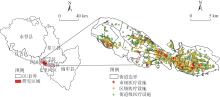
Fig. 1
Location of the study area and distribution of medical facilities"

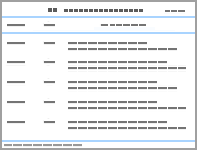
Tab. 1
Descriptive statistics of medical facilities in Lanzhou City"
| 等级 | 类型 | 服务能力/人 | 数量/个 |
|---|---|---|---|
| 市级 | 三级甲等医院 | - | 19 |
| 区级 | 一般性综合医院 | 300 | 75 |
| 专科医院 | 100 | 193 | |
| 街道级 | 社区卫生院 | 20 | 190 |
| 诊所 | 10 | 833 | |
| 药店 | 10 | 799 |
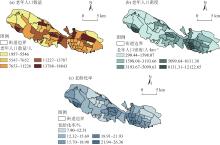
Fig. 2
Distribution characteristics of elderly population in various streets of Lanzhou City"
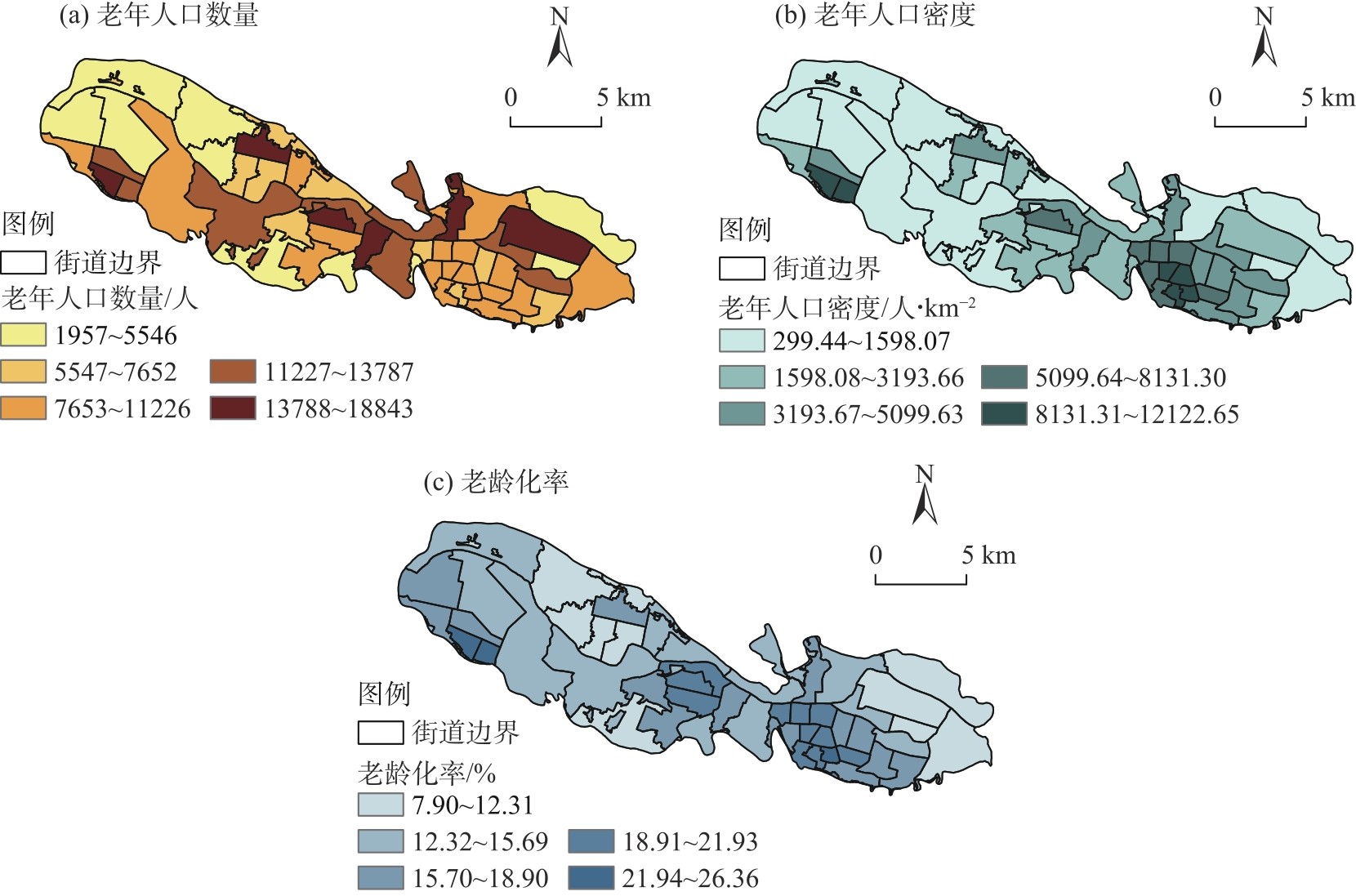
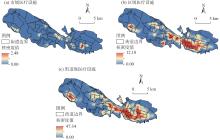
Fig. 3
Distributions of kernel density in medical facilities at each level in Lanzhou City"

Tab. 2
Proportion of elderly population covered by medical facilities at each level within various time thresholds in Lanzhou City /%"
| 各级医疗设施 | t≤15 min | 15<t≤30 min | 30<t≤60 min | t>60 min |
|---|---|---|---|---|
| 市级医疗设施 | 7.42 | 56.55 | 34.10 | 1.93 |
| 区级医疗设施 | 28.02 | 65.28 | 6.70 | 0.00 |
| 街道级医疗设施 | 91.61 | 8.39 | 0.00 | 0.00 |
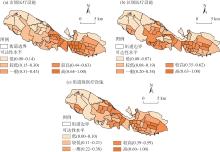
Fig. 4
Distributions of medical accessibility among the elderly population in Lanzhou City"
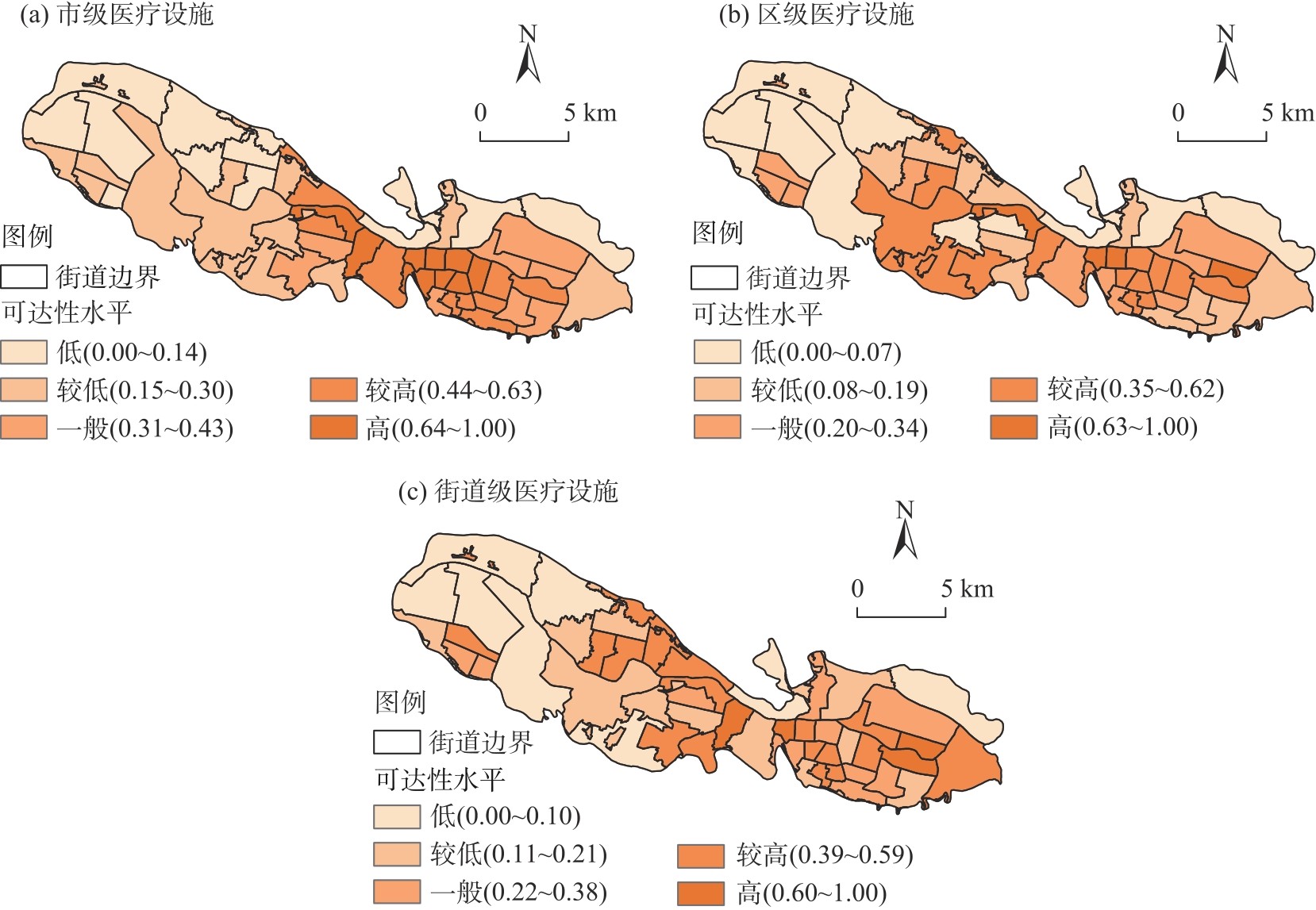
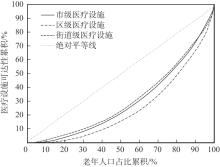
Fig. 5
Lorentz curves of medical facilities at each level in Lanzhou City"
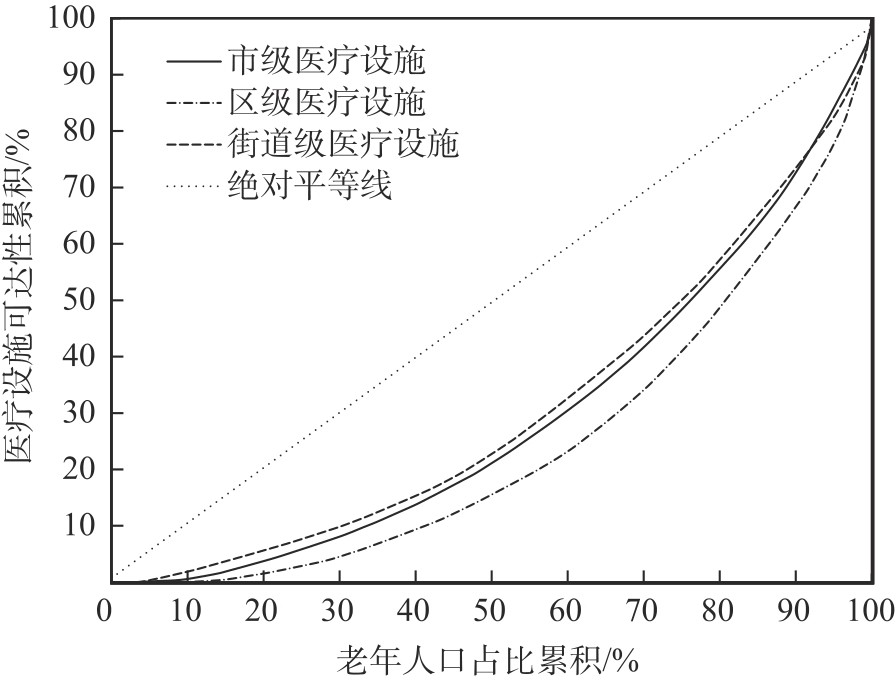
Fig. 6
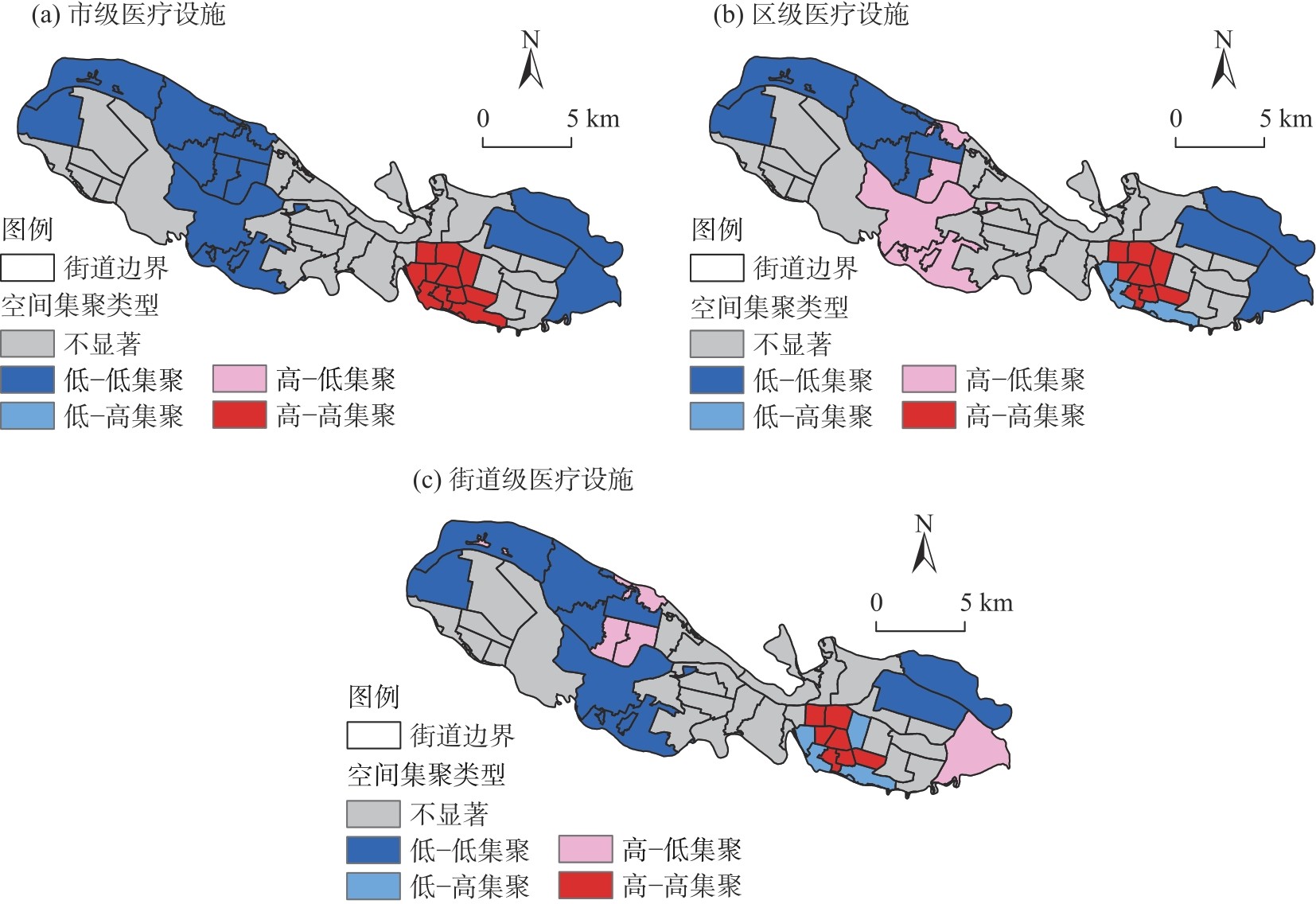
Matching degrees between elderly population and medical accessibility in Lanzhou City"
| [1] | 高晓路, 吴丹贤, 许泽宁, 等. 中国老龄化地理学综述和研究框架构建[J]. 地理科学进展, 2015, 34(12): 1480-1494. |
| [ Gao Xiaolu, Wu Danxian, Xu Zening, et al. A review and frame-work setting of geographical research on aging in China[J]. Progress in Geography, 2015, 34(12): 1480-1494. ] | |
| [2] | Cheng L, Yang M, Vos J D, et al. Examining geographical accessibility to multi-tier hospital care services for the elderly: A focus on spatial equity[J]. Journal of Transport & Health, 2020, 19: 100926, doi: 10.1016/j.jth.2020.100926. |
| [3] | 申悦, 史祎雯, 王虹翔, 等. 医疗设施可达性对患者就医空间的影响研究——基于上海市医院患者调查的实证[J]. 城市发展研究, 2019, 26(12): 46-52, 61. |
| [ Shen Yue, Shi Yiwen, Wang Hongxiang, et al. The impacts of medical facility accessibility on patients’ medical treatment space: A case study in Shanghai[J]. Urban Development Studies, 2019, 26(12): 46-52, 61. ] | |
| [4] | 申悦, 李亮. 医疗资源可达性与居民就医行为研究进展[J]. 科技导报, 2020, 38(7): 85-92. |
| [ Shen Yue, Li Liang. Progress of research on medical resource accessibility and residents’ health seeking behavior[J]. Science & Technology Review, 2020, 38(7): 85-92. ] | |
| [5] | Sibley L M, Weiner J P. An evaluation of access to health care services along the rural-urban continuum in Canada[J]. Bmc Health Services Research, 2011, 11(1): 1-11. |
| [6] | Guida C, Carpentieri G, Masoumi H. Measuring spatial accessibility to urban services for older adults: An application to healthcare facilities in Milan[J]. European Transport Research Review, 2022, 14(1): 23, doi: 10.1186/s12544-022-00544-3. |
| [7] | Donald H T, Hoenig H. Access to health care services for the disabled elderly[J]. Health Services Research, 2010, 41(3): 743-758. |
| [8] | 赵立志, 廖筱萱, 王佩玉. 居家养老模式下城市基层医疗设施配置研究——以北京城市副中心为例[J]. 城市发展研究, 2022, 29(8): 14-19. |
| [ Zhao Lizhi, Liao Xiaoxuan, Wang Peiyu. Research on the allocation of urban primary medical facilities under home care model: Take Beijing sub-center as an example[J]. Urban Development Studies, 2022, 29(8): 14-19. ] | |
| [9] | 张纯, 李晓宁, 满燕云. 北京城市保障性住房居民的就医可达性研究——基于GIS网络分析方法[J]. 人文地理, 2017, 32(2): 59-64. |
| [ Zhang Chun, Li Xiaoning, Man Yanyun. Accessibility to health care service of the affordable housing residents in Beijing: Base on GIS network analysis[J]. Human Geography, 2017, 32(2): 59-64. ] | |
| [10] | 陶印华, 申悦. 医疗设施可达性空间差异及其影响因素——基于上海市户籍与流动人口的对比[J]. 地理科学进展, 2018, 37(8): 1075-1085. |
| [ Tao Yinhua, Shen Yue. Spatial difference of medical facility accessibility and influencing factors: A comparative study of registered and floating populations in Shanghai[J]. Progress in Geography, 2018, 37(8): 1075-1085. ] | |
| [11] | Yin C H, He Q S, Liu Y F, et al. Inequality of public health and its role in spatial accessibility to medical facilities in China[J]. Applied Geography, 2018, 92: 50-62. |
| [12] | 胡舒云, 陆玉麒, 胡国建, 等. 基于多源大数据的深圳市医疗设施可达性与公平性测算[J]. 经济地理, 2021, 41(11): 87-96. |
| [ Hu Shuyun, Lu Yuqi, Hu Guojian, et al. Measuring accessibility and equity of medical resources in Shenzhen based on multi-source big data[J]. Economic Geography, 2021, 41(11): 87-96. ] | |
| [13] | 许婧雪, 张文忠, 谌丽, 等. 基于弱势群体需求的北京服务设施可达性集成研究[J]. 人文地理, 2019, 34(2): 64-71. |
| [ Xu Jingxue, Zhang Wenzhong, Chen Li, et al. Research on the integration of Beijing service facilities accessibility based on the needs of disadvantaged groups[J]. Human Geography, 2019, 34(2): 64-71. ] | |
| [14] | 高瑗, 原新. 老龄化背景下中老年人口的健康转变模式特征及其应对[J]. 河北学刊, 2018, 38(3): 170-175. |
| [ Gao Yuan, Yuan Xin. Aging health and its public policy responses in the context of healthy China[J]. Hebei Academic Journal, 2018, 38(3): 170-175. ] | |
| [15] | 王德, 任熙元. 日常流动视角下的上海市实有人口分布与流动性构成[J]. 城市规划学刊, 2019(2): 36-43. |
| [ Wang De, Ren Xiyuan. Distribution and composition of actual population in urban space from daily human mobility view[J]. Urban Planning Forum, 2019(2): 36-43. ] | |
| [16] | 胡莉蓉, 何深静, 苏世亮. 深圳市公共住房居民就医可达性——基于互联网地图服务和改进两步移动搜索法[J]. 热带地理, 2024, 44(2): 226-235. |
| [ Hu Lirong, He Shenjing, Su Shiliang. Accessibility of healthcare resources to public housing in Shenzhen, China: Indirect map service and optimized two-step floating catchment area method[J]. Tropical Geography, 2024, 44(2): 226-235. ] | |
| [17] | 陈全, 幸丽君, 孙桂英, 等. 城市老年健康资源空间公平性——以武汉市中心城区为例[J]. 资源科学, 2023, 45(7): 1424-1439. |
| [ Chen Quan, Xing Lijun, Sun Guiying, et al. Spatial equity of urban health resources for the elderly from an active-passive health perspective: A case study of central Wuhan City[J]. Resources Science, 2023, 45(7): 1424-1439. ] | |
| [18] | 钟少颖, 杨鑫, 陈锐. 层级性公共服务设施空间可达性研究——以北京市综合性医疗设施为例[J]. 地理研究, 2016, 35(4): 731-744. |
| [ Zhong Shaoying, Yang Xin, Chen Rui. The accessibility measurement of hierarchy public service facilities based on multi-mode network dataset and the two-step 2SFCA: A case study of Beijing’s medical facilities[J]. Geographical Research, 2016, 35(4): 731-744. ] | |
| [19] | Szeto W Y, Yang L C, Wong R C P, et al. Spatio-temporal travel characteristics of the elderly in an ageing society[J]. Travel Behaviour and Society, 2017, 9: 10-20. |
| [20] | 林琳, 马飞. 广州市人口老龄化的空间分布及趋势[J]. 地理研究, 2007, 26(5): 1043-1054. |
| [ Lin Lin, Ma Fei. Spatial distribution and trends of the aging of population in Guangzhou[J]. Geographical Research, 2007, 26(5): 1043-1054. ] | |
| [21] | 曹开军, 商宁, 王秘秘. 中国西北五省乡村旅游重点村时空分布格局与可达性分析[J]. 干旱区地理, 2023, 46(7): 1196-1205. |
| [ Cao Kaijun, Shang Ning, Wang Mimi. Spatial distribution pattern and accessibility analysis of the key rural tourism villages in the five northwestern provinces of China[J]. Arid Land Geography, 2023, 46(7): 1196-1205. ] | |
| [22] | 周海涛, 马钰松, 樊亚宇, 等. 内蒙古红色旅游资源空间分布及可达性分析[J]. 干旱区地理, 2023, 46(5): 814-822. |
| [ Zhou Haitao, Ma Yusong, Fan Yayu, et al. Spatial distribution and accessibility analysis of red tourism resources in Inner Mongolia[J]. Arid Land Geography, 2023, 46(5): 814-822. ] | |
| [23] | 仝德, 孙裔煜, 谢苗苗. 基于改进高斯两步移动搜索法的深圳市公园绿地可达性评价[J]. 地理科学进展, 2021, 40(7): 1113-1126. |
| [ Tong De, Sun Yiyu, Xie Miaomiao. Evaluation of green space accessibility based on improved Gaussian two-step floating catchment area method: A case study of Shenzhen City, China[J]. Progress in Geography, 2021, 40(7): 1113-1126. ] | |
| [24] | 程敏, 黄维维. 基于高斯两步移动搜索法的上海市养老设施空间可达性评价[J]. 复旦学报(自然科学版), 2020, 59(2): 129-136. |
| [ Cheng Min, Huang Weiwei. Measuring the accessibility of residential care facilities in Shanghai based on Gaussian two-step floating catchment area method[J]. Journal of Fudan University (Natural Science Edition), 2020, 59(2): 129-136. ] | |
| [25] | Du M Y, Cheng L, Li X F, et al. Factors affecting the travel mode choice of the urban elderly in healthcare activity: Comparison between core area and suburban area[J]. Sustainable Cities and Society, 2019, 52: 101868, doi: 10.1016/j.scs.2019.101868. |
| [26] | 黄建中, 吴萌. 特大城市老年人出行特征及相关因素分析——以上海市中心城为例[J]. 城市规划学刊, 2015(2): 93-101. |
| [ Huang Jianzhong, Wu Meng. An investigation and analysis of travel characteristics and related factors of the elderly population in megacities: The case of the central area in Shanghai[J]. Urban Planning Forum, 2015(2): 93-101. ] | |
| [27] | Newgard C D, Schmicker R H, Hedges J R, et al. Emergency medical services intervals and survival in trauma: Assessment of the “Golden Hour” in a North American prospective cohort[J]. Annals of Emergency Medicine, 2010, 55(3): 235-246. |
| [28] | Korah P I, Nunbogu A M, Ahmed A. Measuring access to health facilities in Ghana: Implications for implementation of health interventions and the sustainable development goal 3[J]. Applied Geography, 2023, 158: 103026, doi: 10.1016/j.apgeog.2023.103026. |
| [29] | 顾宗倪, 罗小龙. 县域养老设施发展水平的空间不匹配研究——以江苏省为例[J]. 人文地理, 2024, 39(1): 40-47, 112. |
| [ Gu Zongni, Luo Xiaolong. Examining the spatial mismatch of the elderly care development level: A case study of Jiangsu Province[J]. Human Geography, 2024, 39(1): 40-47, 112. ] | |
| [30] | 马璐, 张志斌. 兰州市老龄人口空间分布及其形成机制[J]. 人文地理, 2015, 30(6): 132-137. |
| [ Ma Lu, Zhang Zhibin. The spatial distribution and formation mechanism of the elderly population in Lanzhou[J]. Human Geography, 2015, 30(6): 132-137. ] | |
| [31] | 马晓敏, 张志斌, 公维民, 等. 兰州市制造业空间格局演化及驱动因子识别[J]. 地理科学, 2023, 43(3): 519-529. |
| [ Ma Xiaomin, Zhang Zhibin, Gong Weimin, et al. Spatial pattern evolution and driving factors identification of manufacturing industry in Lanzhou[J]. Scientia Geographica Sinica, 2023, 43(3): 519-529. ] | |
| [32] | 郭燕, 张志斌, 陈龙, 等. 居住自选择视角下城市建成环境对通勤模式选择的影响——以兰州市主城区为例[J]. 干旱区地理, 2024, 47(2): 307-318. |
| [ Guo Yan, Zhang Zhibin, Chen Long, et al. Impact of urban built environment on commuting mode choices from the residential self-selection perspective[J]. Arid Land Geography, 2024, 47(2): 307-318. ] | |
| [33] | Tao Z L, Cheng Y. Modelling the spatial accessibility of the elderly to healthcare services in Beijing, China[J]. Environment and Planning B: Urban Analytics and City Science, 2019, 46(6): 1132-1147. |
| [34] | 李花, 张志斌, 王伟军. 兰州市大中型超市的空间分布格局及其影响因素[J]. 经济地理, 2016, 36(9): 85-93. |
| [ Li Hua, Zhang Zhibin, Wang Weijun. Spatial distribution and patterns and influential factors of large and medium supermarkets in Lanzhou[J]. Economic Geography, 2016, 36(9): 85-93. ] |
|
||