干旱区地理 ›› 2026, Vol. 49 ›› Issue (5): 998-1012.doi: 10.12118/j.issn.1000-6060.2025.385 cstr: 32274.14.ALG2025385
何雨晴1,2( ), 王程1(), 黄威1, 宋佳齐1, 刘思源3, 宗世敏4
收稿日期:2025-07-07
修回日期:2025-09-24
出版日期:2026-05-25
发布日期:2026-05-25
通讯作者:
王程(1989-),女,博士,副教授,主要从事干旱区水资源利用研究. E-mail: chengw8973@163.com作者简介:何雨晴(2003-),女,硕士研究生,主要从事智能时空大数据分析. E-mail: H18803603562@outlook.com
基金资助:
HE Yuqing1,2(), WANG Cheng1(), HUANG Wei1, SONG Jiaqi1, LIU Siyuan3, ZONG Shimin4
Received:2025-07-07
Revised:2025-09-24
Published:2026-05-25
Online:2026-05-25
摘要:
在生态优先导向下协调干旱区国土空间开发与保护格局,对促进区域可持续发展具有重要意义。以新疆阿克苏地区为研究对象,通过分析2013—2023年“生产-生活-生态”空间转换矩阵以评估时空演变,并综合运用最小累积阻力(MCR)模型,提取生态与开发源地、构建综合阻力面、计算最小累积阻力差值,并引入突变检测法确定分区阈值,最终划定国土空间功能区,据此提出差异化优化策略。结果表明:(1) 2013—2023年阿克苏地区生产空间净增788.80 km2,生活空间净增189.28 km2,生态空间缩减978.08 km2,空间格局呈生态主导、生产扩张、生活缓增的态势。(2) 以最小累积阻力差值为0划分国土空间开发适宜性,其中开发建设适宜区面积为1.63×10⁴ km2,在阿克苏地区中部呈现东、西、南3个聚类;生态保护适宜面积为1.15×10⁵ km2,呈包裹状分布于开发建设适宜区的外围。(3) 根据最小累积阻力差值与栅格数目的关系曲线临界点-36040、-8820、0、9630将阿克苏地区国土空间开发功能区划分为生态保护区、农业生产区、开发建设区、保护生产区、生产开发区,面积分别为54456.73 km2、18763.61 km2、2305.15 km2、41924.40 km2、13990.09 km2,确立了3个强属性功能区和2个复合型功能区。(4) 以功能区为依托,在市县尺度上将阿克苏地区聚类为3个差异化发展集群:城市发展空间、智产融合空间、绿优兴农空间,其优势功能分别为开发建设、生产开发、保护生产,据此提出阿克苏地区国土空间开发的差异化优化策略。
何雨晴, 王程, 黄威, 宋佳齐, 刘思源, 宗世敏. 生态优先视角下阿克苏国土空间开发与功能分区[J]. 干旱区地理, 2026, 49(5): 998-1012.
HE Yuqing, WANG Cheng, HUANG Wei, SONG Jiaqi, LIU Siyuan, ZONG Shimin. Land space development and functional zoning of Aksu from the perspective of ecological priority[J]. Arid Land Geography, 2026, 49(5): 998-1012.
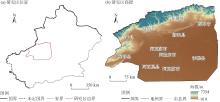
图1
研究区示意图 注:基于自然资源部标准地图服务网站审图号为GS(2024)0650号的标准地图制作,底图边界无修改。下同。"
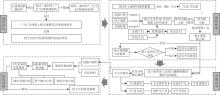
图2
国土空间开发与功能分区研究框架"
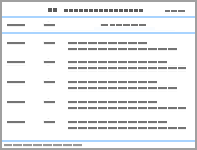
表1
国土空间开发适宜性评价指标及评价因子权重"
| 一级指标层 | 二级指标层 | 生态源扩张 | 开发源扩张 | |||
|---|---|---|---|---|---|---|
| 属性 | 权重 | 属性 | 权重 | |||
| 自然 | 高程/m | 正 | 0.2367 | 正 | 0.1094 | |
| 地形起伏/(°) | 正 | 0.2400 | 正 | 0.1109 | ||
| 年均气温/℃ | 负 | 0.2319 | 负 | 0.1072 | ||
| 年均降水/mm | 负 | 0.0084 | 负 | 0.0039 | ||
| 土壤质地 | 负 | 0.0220 | 正 | 0.0090 | ||
| 土地利用类型 | 正 | 0.0533 | 负 | 0.1243 | ||
| 归一化植被指数 | 负 | 0.0149 | 正 | 0.0094 | ||
| 社会 | 人口密度/人·km-2 | 正 | 0.0001 | 负 | 0.3754 | |
| 地区生产总值/104元·km-2 | 正 | 0.0014 | 负 | 0.1023 | ||
| 区位 | 距国道的距离/km | 负 | 0.0844 | 正 | 0.0065 | |
| 距省道的距离/km | 负 | 0.0935 | 正 | 0.0070 | ||
| 距水系的距离/km | 正 | 0.0134 | 负 | 0.0347 | ||
表2
生态源与开发源扩张阻力因子分级"
| 阻力因子 | 生态源/开发源扩张阻力值(阻值越大,阻力越大) | ||||
|---|---|---|---|---|---|
| 1/1 | 2/2 | 3/3 | 4/4 | 5/5 | |
| 高程/m | 919~1500 | 1500~2000 | 2000~3000 | 3000~4000 | >4000 |
| 地形起伏/(°) | 0~5 | 5~10 | 10~50 | 50~100 | >100 |
| 年均气温/℃ | >10 | 5~10 | 0~5 | -5~0 | -23~-5 |
| 年均降水/mm | >40 | 30~40 | 20~30 | 10~20 | 0~10 |
| 阻力因子 | 生态源/开发源扩张阻力值(阻值越大,阻力越大) | ||||
| 1/5 | 2/4 | 3/3 | 4/2 | 5/1 | |
| 土壤质地 | 黏土 | 壤土 | 砂土 | 砾质土 | - |
| 土地利用类型 | 水域、林地 | 草地 | 耕地 | 未利用土地 | 城乡、工矿、居民用地 |
| 归一化植被指数 | >0.75 | 0.45~0.75 | 0.15~0.45 | 0.00~0.15 | <0.00 |
| 人口密度/人·km-2 | 0~10 | 10~25 | 25~50 | 50~100 | >100 |
| 地区生产总值/104元·km-2 | 0~50 | 50~100 | 100~250 | 250~500 | >500 |
| 距国道的距离/km | >1.2 | 0.8~1.2 | 0.4~0.8 | 0.2~0.4 | 0.0~0.2 |
| 距省道的距离/km | >1.2 | 0.8~1.2 | 0.4~0.8 | 0.2~0.4 | 0.0~0.2 |
| 距水系的距离/km | 0.0~0.2 | 0.2~0.4 | 0.4~0.6 | 0.6~0.8 | >0.8 |
表3
2013—2023年“三生”空间转移矩阵"
| “三生”空间类型 | 2023年 | ||||
|---|---|---|---|---|---|
| 生产空间 | 生活空间 | 生态空间 | 总计 | ||
| 2013年 | 生产空间 | 12146.90 | 413.42 | 2161.65 | 14721.97 |
| 生活空间 | 272.35 | 248.21 | 35.39 | 555.95 | |
| 生态空间 | 3091.52 | 83.60 | 113019.00 | 116194.12 | |
| 总计 | 15510.77 | 745.23 | 115216.04 | 131472.04 | |
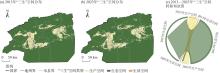
图3
2013—2023年阿克苏地区“三生”空间格局"
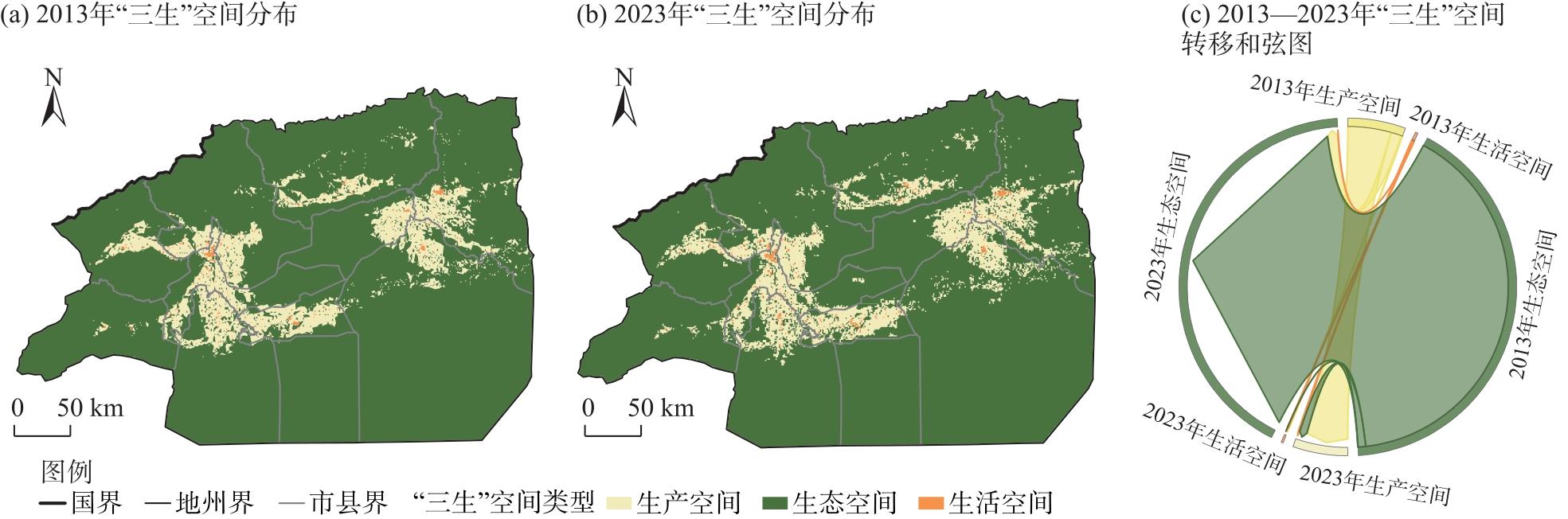
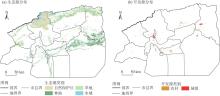
图4
阿克苏地区阻力源分布"
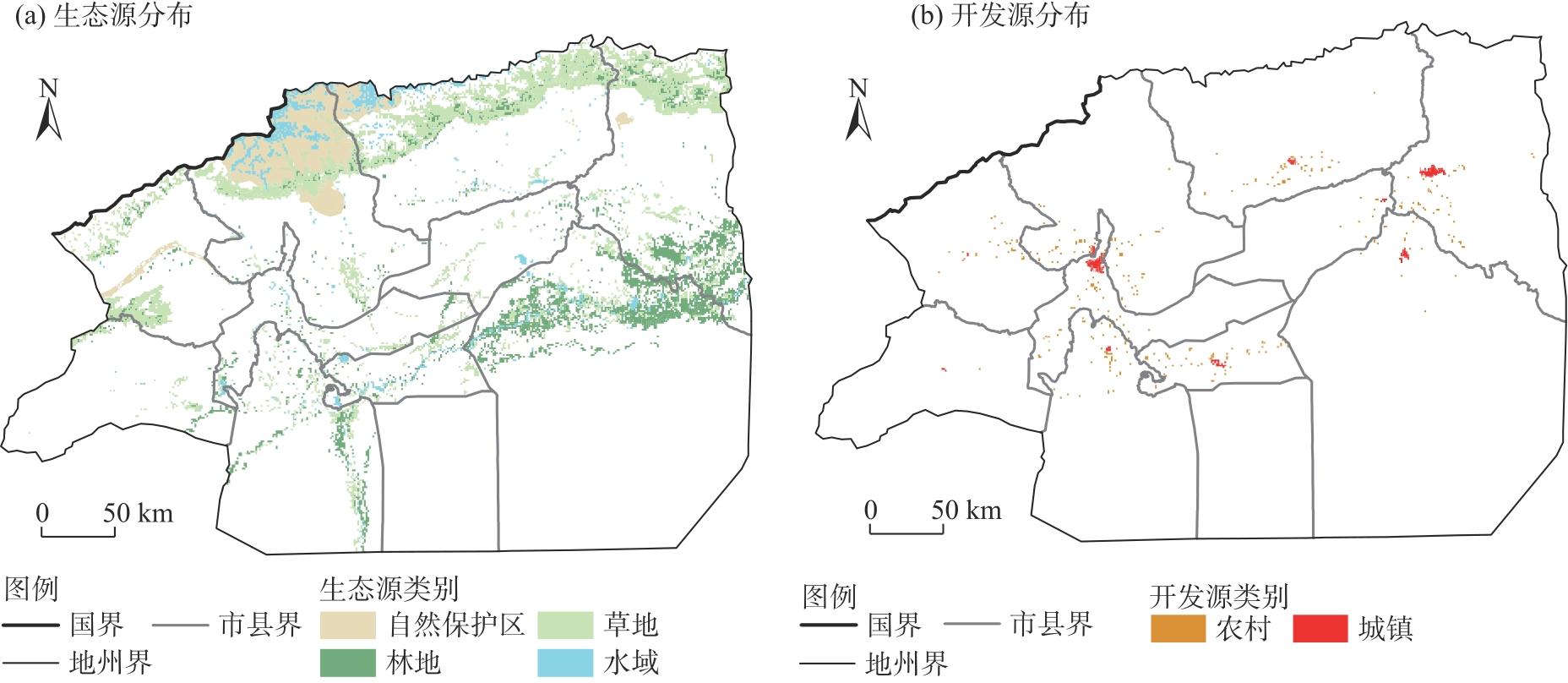
图5
单因子生态源扩张阻力空间分布"
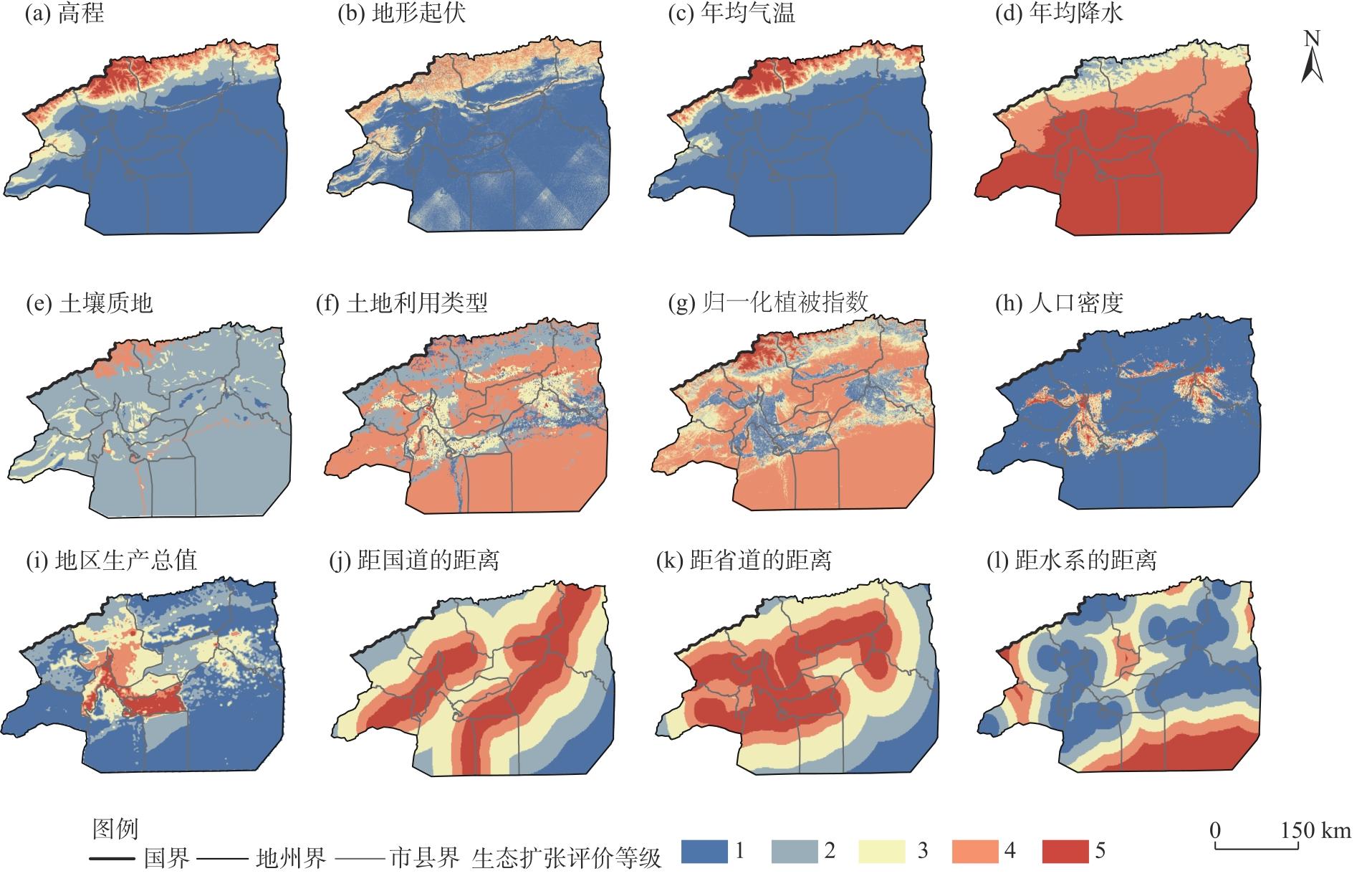
图6
单因子开发源扩张阻力空间分布"
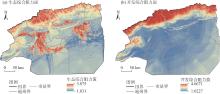
图7
源扩张的综合阻力空间分布"
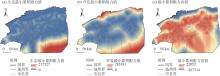
图8
最小累积阻力分析结果"
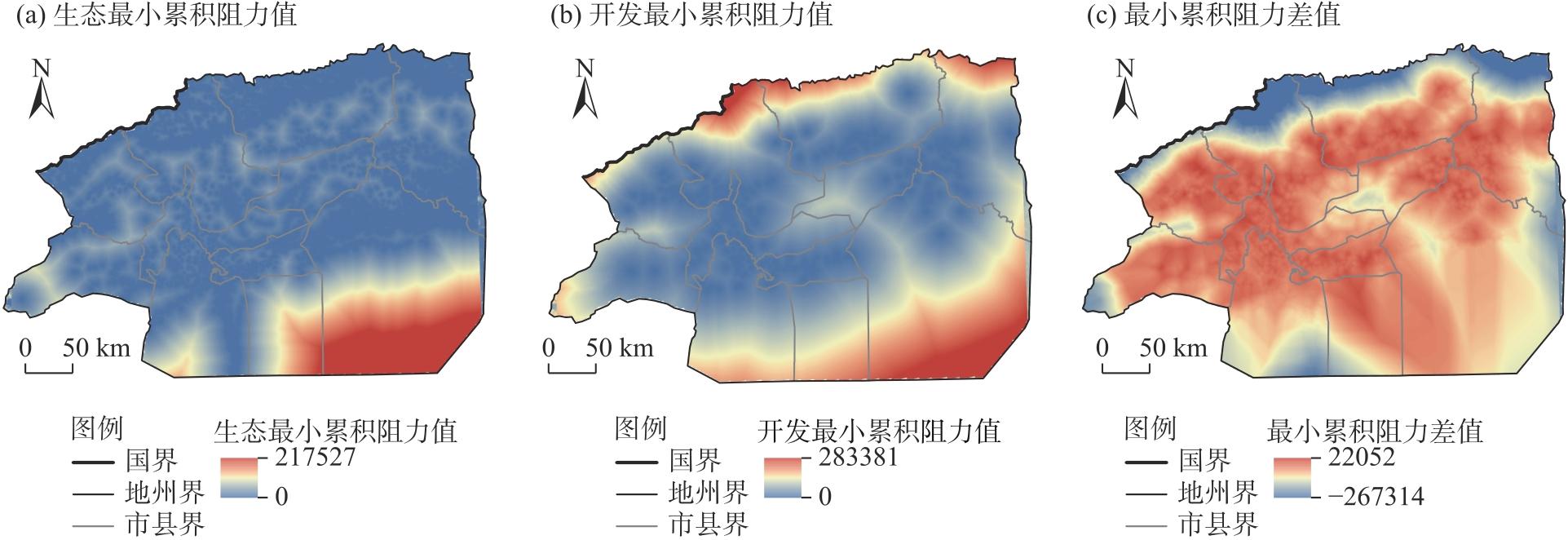
图9
适宜性评价结果"
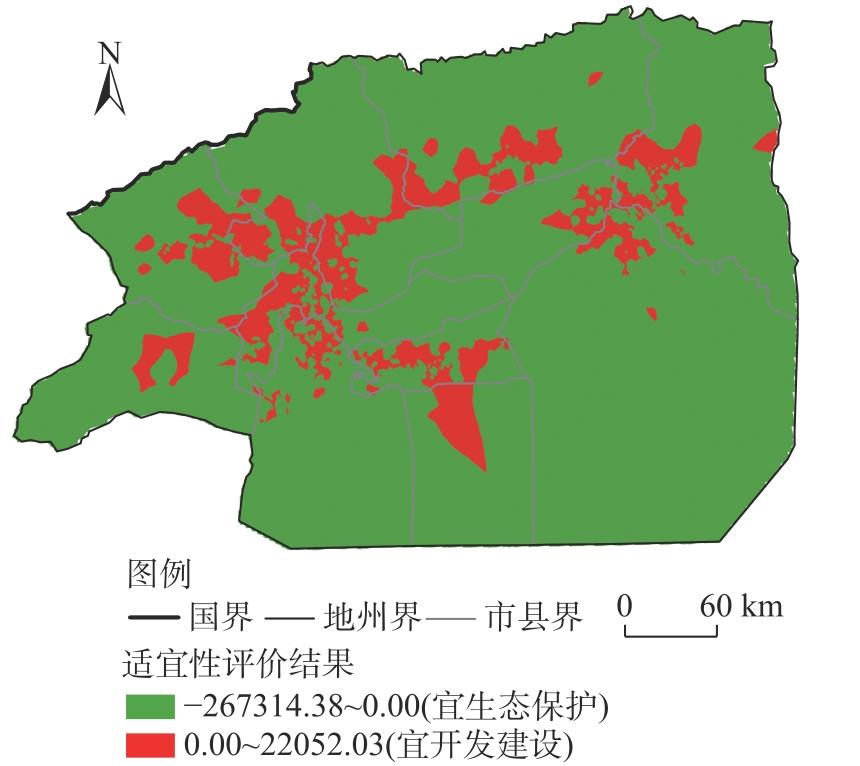
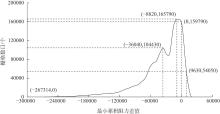
图10
最小累积阻力差值与栅格数目的关系曲线"
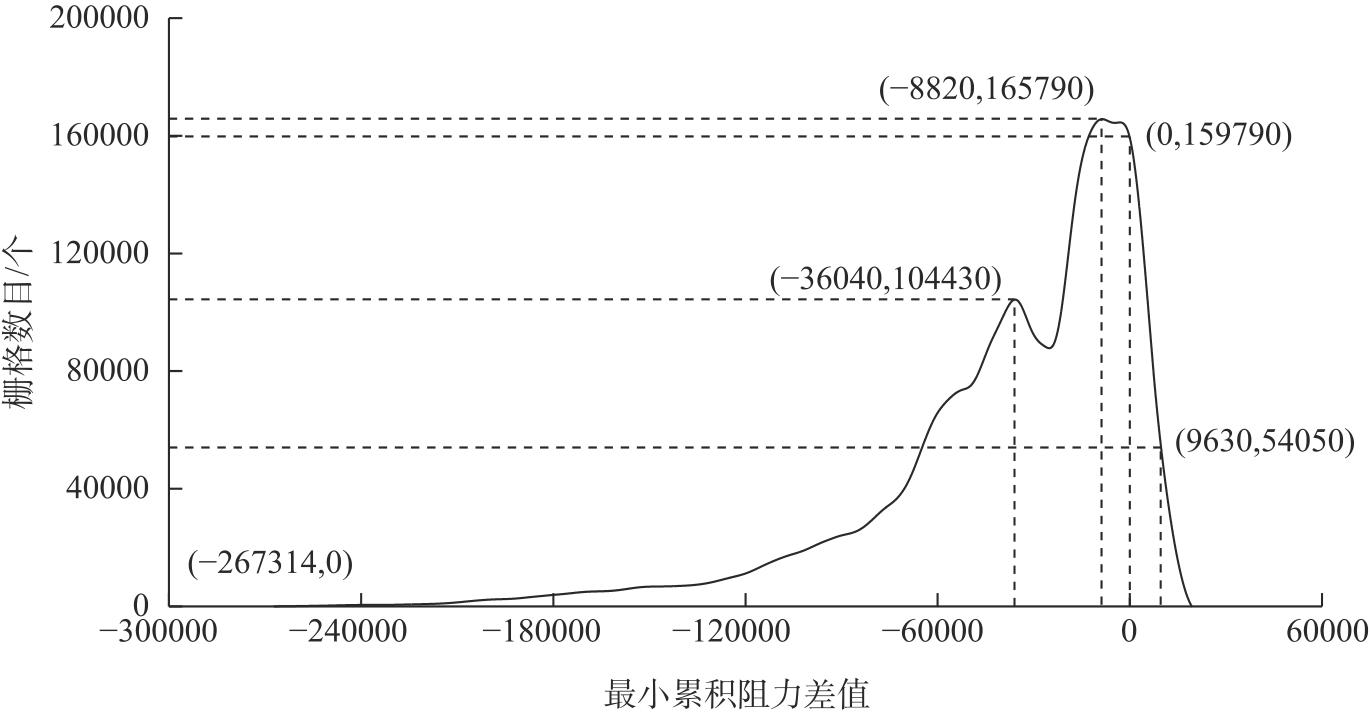
表4
适宜性-功能区-最小累积阻力差值的对应关系"
| 生态-开发适宜性 | 功能区 | 最小累积差值区间 |
|---|---|---|
| 生态保护适宜区 | 生态保护区 | -267314~-36040 |
| 保护生产区 | -36040~-8820 | |
| 农业生产区 | -8820~0 | |
| 开发建设适宜区 | 生产开发区 | 0~9630 |
| 开发建设区 | 9630~22052 |
图11
阿克苏地区国土空间开发功能分区示意图"
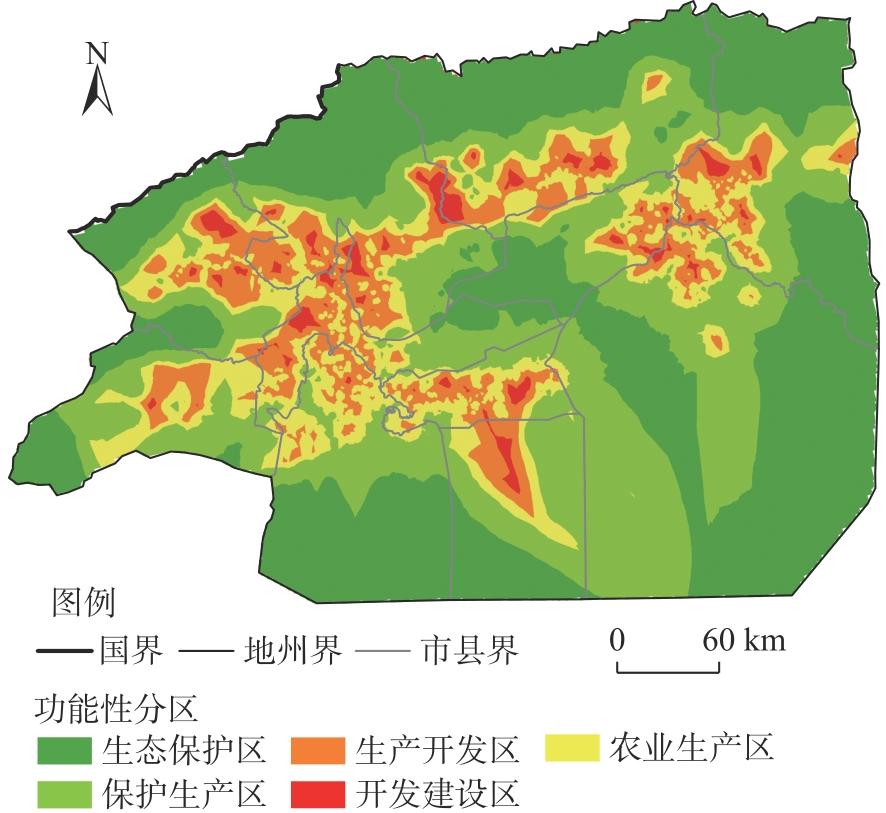
表5
阿克苏地区国土空间开发功能区面积统计"
| 市县 | 生态保护区 | 保护生产区 | 农业生产区 | 生产开发区 | 开发建设区 | 总计 |
|---|---|---|---|---|---|---|
| 阿克苏市 | 3454.79 | 5360.08 | 2637.26 | 2472.47 | 468.83 | 14393.43 |
| 阿拉尔市 | 0.00 | 1071.17 | 1551.45 | 1125.08 | 176.27 | 3923.97 |
| 阿瓦提县 | 7386.76 | 2824.25 | 2019.36 | 744.98 | 10.91 | 12986.26 |
| 拜城县 | 7376.30 | 4107.91 | 2136.83 | 1775.26 | 445.76 | 15842.06 |
| 柯坪县 | 2432.51 | 3572.82 | 2007.89 | 825.61 | 22.68 | 8861.51 |
| 库车市 | 7547.11 | 3326.34 | 1897.67 | 1501.28 | 225.62 | 14498.02 |
| 沙雅县 | 16312.44 | 13417.19 | 1330.20 | 684.42 | 84.55 | 31828.80 |
| 温宿县 | 5845.00 | 3485.93 | 1969.20 | 2497.55 | 483.92 | 14281.60 |
| 乌什县 | 3136.62 | 2232.12 | 1880.63 | 1486.22 | 269.02 | 9004.61 |
| 新和县 | 2087.26 | 1915.60 | 1059.27 | 673.70 | 83.86 | 5819.69 |
| 全区合计 | 55578.79 | 41313.41 | 18489.76 | 13786.57 | 2271.42 | 131439.95 |
| [1] |
耿雅妮, 吴韬, 姜培钊, 等. 陕西省新型城镇化与生态环境耦合关系及情景预测[J]. 生态环境学报, 2024, 33(12): 1874-1881.
doi: 10.16258/j.cnki.1674-5906.2024.12.005 |
| [Geng Yanni, Wu Tao, Jiang Peizhao, et al. Coupling relationship between new urbanization and ecological environment in Shaanxi Province and scenario prediction[J]. Ecology and Environmental Sciences, 2024, 33(12): 1874-1881.] | |
| [2] | 马炎生, 吴大放, 罗改改. 长株潭“三生”空间适宜性耦合协调度分析[J]. 水土保持研究, 2024, 31(5): 389-398. |
| [Ma Yansheng, Wu Dafang, Luo Gaigai. Analysis on the suitability coupling coordination degree of production-living-ecology space in Changsha-Zhuzhou-Xiangtan[J]. Research of Soil and Water Conservation, 2024, 31(5): 389-398.] | |
| [3] | 张中华, 王晨鹏, 王玉蒙. 面向镇域国土空间规划的“三生空间”效能评价[J]. 西北大学学报(自然科学版), 2025, 55(4): 740-758. |
| [Zhang Zhonghua, Wang Chenpeng, Wang Yumeng. space for township-level territorial spatial planning: A case study of Taiyao Town, Tongguan County, Shaanxi Province[J]. Journal of Northwest University (Natural Science Edition), 2025, 55(4): 740-758.] | |
| [4] | 岳文泽, 韦静娴, 陈阳. 国土空间开发适宜性评价的反思[J]. 中国土地科学, 2021, 35(10): 1-10. |
| [Yue Wenze, Wei Jingxian, Chen Yang. Rethinking suitability evaluation of territorial space development[J]. China Land Science, 2021, 35(10): 1-10.] | |
| [5] |
喻忠磊, 张文新, 梁进社, 等. 国土空间开发建设适宜性评价研究进展[J]. 地理科学进展, 2015, 34(9): 1107-1122.
doi: 10.18306/dlkxjz.2015.09.004 |
|
[Yu Zhongwei, Zhang Wenxin, Liang Jinshe, et al. Progress in evaluating suitability of spatial development and construction land[J]. Progress in Geography, 2015, 34(9): 1107-1122.]
doi: 10.18306/dlkxjz.2015.09.004 |
|
| [6] |
吴大放, 胡悦, 刘艳艳, 等. 城市开发强度与资源环境承载力协调分析——以珠三角为例[J]. 自然资源学报, 2020, 35(1): 82-94.
doi: 10.31497/zrzyxb.20200108 |
|
[Wu Dafang, Hu Yue, Liu Yanyan, et al. Empirical study on the coupling coordination between development intensity and resources-and-environment carrying capacity of core cities in Pearl River Delta[J]. Journal of Natural Resources, 2020, 35(1): 82-94.]
doi: 10.31497/zrzyxb.20200108 |
|
| [7] | 何悦铭, 唐相龙. 河西走廊绿洲型县域国土空间开发适宜性评价——以张掖市高台县为例[J]. 城市建筑, 2024, 21(4): 116-119, 129. |
| [He Yueming, Tang Xianglong. Evaluation on the suitability of land space development in oasis-type counties in Hexi Corridor: A case of Gaotai County in Zhangye City[J]. Urbanism and Architecture, 2024, 21(4): 116-119, 129.] | |
| [8] | 石龙宇, 冯运双, 高莉洁. 长三角县域国土空间开发适宜性评价方法研究——以长兴县为例[J]. 生态学报, 2020, 40(18): 6495-6504. |
| [Shi Longyu, Feng Yunshuang, Gao Lijie. The method of territorial spatial development suitability evaluation in the Yangtze River Delta: A case study of Changxing County[J]. Acta Ecologica Sinica, 2020, 40(18): 6495-6504.] | |
| [9] | 冯晓菁, 罗志军, 许巾, 等. 基于“三生”空间的城乡建设用地开发适宜性及空间格局匹配评价——以江西省乐平市为例[J]. 西南农业学报, 2021, 34(9): 2014-2024. |
| [Feng Xiaojing, Luo Zhijun, Xu Jin, et al. Suitability evaluation of urban-rural construction land development and evaluation of spatial pattern matching based on ‘production-living-ecological’ space: Case study of Leping City in Jiangxi Province[J]. Southwest China Journal of Agricultural Sciences, 2021, 34(9): 2014-2024.] | |
| [10] |
荣丽华, 李伊彤. 国土空间规划背景下畜牧业生产适宜性评价与分区——以锡林郭勒盟镶黄旗为例[J]. 干旱区地理, 2023, 46(7): 1166-1175.
doi: 10.12118/j.issn.1000-6060.2022.549 |
|
[Rong Lihua, Li Yitong. Suitability evaluation and zoning of livestock production under the background of national land space planning: A case of Xianghuang Banner of Xilin Gol League[J]. Arid Land Geography, 2023, 46(7): 1166-1175.]
doi: 10.12118/j.issn.1000-6060.2022.549 |
|
| [11] | 张雅杰, 欧嘉婵. 基于TOPSIS模型的国土空间开发适宜性评价研究——以宜昌市为例[J]. 特区经济, 2024(2): 37-41. |
| [Zhang Yajie, Ou Jiachan. Evaluation of territorial spatial development suitability based on TOPSIS model: A case study of Yichang City[J]. Special Zone Economy, 2024(2): 37-41.] | |
| [12] |
杨帆, 席广亮, 甄峰, 等. “形流融合”视角的国土空间开发适宜性评价——以南京都市圈为例[J]. 资源科学, 2023, 45(12): 2372-2384.
doi: 10.18402/resci.2023.12.06 |
|
[Yang Fan, Xi Guangliang, Zhen Feng, et al. Suitability evaluation of territorial space development from the perspective of “form-flow integration”: A case study of the Nanjing metropolitan area[J]. Resources Science, 2023, 45(12): 2372-2384.]
doi: 10.18402/resci.2023.12.06 |
|
| [13] | Xia C H, Ma D H, Wang W, et al. Research on identification and zoning control of territorial spatial risk pattern based on deep learning: A case study of Shenzhen, China[J]. Journal of Cleaner Production, 2024, 481: 144132, doi: 10.1016/j.jclepro.2024.144132. |
| [14] |
杨子韬, 田莉. 基于PLUS模拟未来土地利用变化的可持续发展评估——以江西省为例[J]. 地理科学, 2024, 44(10): 1826-1836.
doi: 10.13249/j.cnki.sgs.20230581 |
|
[Yang Zitao, Tian Li. Sustainability assessment based on PLUS simulation of future land use change: A case study of Jiangxi Province[J]. Scientia Geographica Sinica, 2024, 44(10): 1826-1836.]
doi: 10.13249/j.cnki.sgs.20230581 |
|
| [15] | 朱从谋, 苑韶峰, 杨丽霞. 主体功能区视角下国土空间格局演变及生态环境效应——以浙江省为例[J]. 生态学报, 2023, 43(11): 4488-4501. |
| [Zhu Congmou, Wan Shaofeng, Yang Lixia. Evolution of territorial spatial pattern and associated eco-environmental effects from the perspective of major functional zones: A case study of Zhejiang Province[J]. Acta Ecologica Sinica, 2023, 43(11): 4488-4501.] | |
| [16] |
金贵, 郭柏枢, 成金华, 等. 基于资源效率的国土空间布局及支撑体系框架[J]. 地理学报, 2022, 77(3): 534-546.
doi: 10.11821/dlxb202203003 |
|
[Jin Gui, Guo Baishu, Cheng Jinhua, et al. Layout optimizationand support system of territorial space: An analysis framework based on resource efficiency[J]. Acta Geographica Sinica, 2022, 77(3): 534-546.]
doi: 10.11821/dlxb202203003 |
|
| [17] | Yang J X, Zhao J, Zhu G F, et al. Effects of ecological water conveyance on soil salinization in the Shiyang River Basin’s Terminal Lake-Qingtu Lake-Area[J]. Sustainability, 2022, 14(16): 10311, doi: 10.3390/su141610311. |
| [18] | 新疆生产建设兵团第一师统计局. 2023年1—12月师市经济运行综合分析[R/OL]. [2025-09-28]. http://www.ale.gov.cn/publicity/tjxx/43896. |
| [Bureau of Statistics of the First Division of Xinjiang Production and Construction Corps. Comprehensive analysis of the the division-city economic operation from January to December 2023[R/OL]. [2025-09-28]. http://www.ale.gov.cn/publicity/tjxx/43896.] | |
| [19] | 阿克苏地区统计局. 阿克苏地区2023年国民经济和社会发展统计公报[R/OL]. [2025-09-28]. https://www.aks.gov.cn/sjkf/tjnb/20240412/i1299741.html. |
| [Bureau of Statistics of Aksu Prefecture. Statistical bulletin on the national economic and social development of Aksu Prefecture in 2023[R/OL]. [2025-09-28]. https://www.aks.gov.cn/sjkf/tjnb/20240412/i1299741.html.] | |
| [20] |
田柳兰, 王珊珊, 毋兆鹏. 基于多时相遥感数据的乌鲁木齐市生态安全格局构建[J]. 干旱区地理, 2023, 46(7): 1155-1165.
doi: 10.12118/j.issn.1000-6060.2022.473 |
| [Tian Liulan, Wang Shanshan, Wu Zhaopeng. Construction of ecological security pattern in Urumqi based on multi-temporal remote sensing data[J]. Arid Land Geography, 2023, 46(7): 1155-1165.] | |
| [21] |
屠正伟, 张沛, 张中华. 银川都市圈乡村“三生空间”冲突格局演变特征及影响因素[J]. 干旱区地理, 2026, 49(3): 594-606.
doi: 10.12118/j.issn.1000-6060.2025.199 |
|
[Tu Zhengwei, Zhang Pei, Zhang Zhonghua. Evolutionary characteristics and influencing factors of spatial conflicts in rural “production-living-ecological spaces” of the Yinchuan metropolitan coordinating region[J]. Arid Land Geography, 2026, 49(3): 594-606.]
doi: 10.12118/j.issn.1000-6060.2025.199 |
|
| [22] | 张考, 黄春华, 王志远, 等. 基于DTTD-MCR-PLUS模型的三生空间格局优化——以长沙市为例[J]. 生态学报, 2022, 42(24): 9957-9970. |
| [Zhang Kao, Huang Chunhua, Wang Zhiyuan, et al. Optimization of“production-living-ecological”spaces based on DTTD-MCRPLUS model: Taking Changsha City as an example[J]. Acta Ecologica Sinica, 2022, 42(24): 9957-9970.] | |
| [23] | 孙桐, 雷冬梅, 刘林, 等. 基于最小累计阻力模型和情景模拟法的滇池流域最小生态用地量化对比研究[J]. 生态学报, 2024, 44(20): 9135-9145. |
| [Sun Tong, Lei Dongmei, Liu Lin, et al. Comparative study on the minimum ecological land quantification in Dianchi Lake Basin based on MCR model and scenario simulation method[J]. Acta Ecologica Sinica, 2024, 44(20): 9135-9145.] | |
| [24] |
Knaapen J P, Scheffer M, Harms B. Estimating habitat isolation in landscape planning[J]. Landscape and Urban Planning, 1992, 23(1): 1-16.
doi: 10.1016/0169-2046(92)90060-D |
| [25] | 俞孔坚. 生物保护的景观生态安全格局[J]. 生态学报, 1999, 19(1): 10-17. |
| [Yu Kongjian. Landscape ecological security patterns in biological conservation[J]. Acta Ecologica Sinica, 1999, 19(1): 10-17.] | |
| [26] | 汉瑞英, 赵志平, 肖能文, 等. 基于最小累积阻力差值模型的北京市生态安全格局构建[J]. 水土保持通报, 2022, 42(3): 95-102. |
| [Han Ruiying, Zhao Zhiping, Xiao Nengwen, et al. Construction of ecological security pattern in Beijing City based on minimum resistance model[J]. Bulletin of Soil and Water Conservation, 2022, 42(3): 95-102.] | |
| [27] | 魏伟, 王雅宁, 尹力, 等. 2000—2020年内蒙古高原国土空间演化生态效应及其影响因素[J]. 生态学报, 2025, 45(6): 2968-2984. |
| [Wei Wei, Wang Yaning, Yin Li, et al. The ecological effects of territorial spatial evolution and its influencing factors in the Inner Mongolia Plateau from 2000 to 2020[J]. Acta Ecologica Sinica, 2025, 45(6): 2968-2984.] | |
| [28] | 吴可欣, 税伟, 张永永, 等. 基于生态优先与未来情景模拟的城市群国土空间开发适宜性评价——以闽三角城市群为例[J]. 宁夏大学学报(自然科学版), 2023, 44(4): 377-383. |
| [Wu Kexin, Shui Wei, Zhang Yongyong, et al. Territorial development suitability evaluation of urban agglomeration based on ecological priorities and future scenario simulation[J]. Journal of Ningxia University (Natural Science Edition), 2023, 44(4): 377-383.] | |
| [29] | 林伊琳, 赵俊三, 陈国平, 等. 基于MCR-FLUS-Markov模型的区域国土空间格局优化[J]. 农业机械学报, 2021, 52(4): 159-170, 207. |
| [Lin Yilin, Zhao Junsan, Chen Guoping, et al. Optimization of regional territory space pattern based on MCR-FLUS-Markov model[J]. Transactions of the Chinese Society for Agricultural Machinery, 2021, 52(4): 159-170.] | |
| [30] | 赵润哲, 苏维, 李彦克. 基于最小累计阻力模型的卢氏县土地生态适宜性评价[J]. 林业调查规划, 2024, 49(2): 90-96. |
| [Zhao Runzhe, Su Wei, Li Yanke. Evaluation of land ecological suitability in Lushi County based on minimum cumulative resistance model[J]. Forest Inventory and Planning, 2024, 49(2): 90-96.] | |
| [31] | 翟端强, 卓健, 徐弈. 市县级国土空间生态风险评估方法优化研究[J]. 规划师, 2023, 39(2): 53-60. |
| [Zhai Duanqiang, Zhuo Jian, Xu Yi. Optimization of ecological risk assessment in city and county level territorial space planning[J]. Planners, 2023, 39(2): 53-60.] | |
| [32] |
吴桐, 岳文泽, 夏皓轩, 等. 国土空间规划视域下主体功能区战略优化[J]. 经济地理, 2022, 42(2): 11-17, 73.
doi: 10.15957/j.cnki.jjdl.2022.02.002 |
|
[Wu Tong, Yue Wenze, Xia Haoxuan, et al. Optimization of major function zoning strategy from the perspective of territorial spatial planning[J]. Economic Geography, 2022, 42(2): 11-17, 73.]
doi: 10.15957/j.cnki.jjdl.2022.02.002 |
|
| [33] | 崔健, 代雅建, 孙秀波, 等. 基于生态适宜性评价的辽源市西安煤矿区国土空间优化[J/OL]. 地质通报. [2025-09-23]. https://link.cnki.net/urlid/11.4648.P.20250116.1351.002. |
| [Cui Jian, Dai Yajian, Sun Xiubo, et al. Territorial space optimization of Xi’an coal mining area in Liaoyuan City based on ecological suitability assessment[J/OL]. Geological Bulletin of China. [2025-09-23]. https://link.cnki.net/urlid/11.4648.P.20250116.1351.002.] |
| [1] | 杨嘉晖, 刘晓煌, 时鹏, 李鹏, 刘润, 祝萍, 马敏, 吴广杰. “三生”功能视角下额尔齐斯河流域空间优化调控研究[J]. 干旱区地理, 2026, 49(3): 581-593. |
| [2] | 付晓, 黄颖敏. 主体功能视角下中国革命老区高质量发展空间格局及影响因素[J]. 干旱区地理, 2025, 48(3): 517-527. |
| [3] | 施秀娟, 王志强. 新疆县域土地利用碳收支平衡与碳补偿分区研究[J]. 干旱区地理, 2025, 48(12): 2183-2196. |
| [4] | 彭江良, 卢英, 王勇, 李悦. 2023年春末阿克苏东部两次极端低温过程对比分析[J]. 干旱区地理, 2024, 47(7): 1175-1186. |
| [5] | 薄立明, 尹力, 魏伟, 赵浪, 夏俊楠. 2000—2020年河西走廊国土空间格局演变特征及驱动力分析[J]. 干旱区地理, 2024, 47(5): 885-897. |
| [6] | 徐伟, 刘振领. 内蒙古光伏开发空间适宜性及减排效益研究[J]. 干旱区地理, 2024, 47(4): 684-694. |
| [7] | 林墨飞, 矫红运, 李珍. 内蒙古沿边地区生态旅游绿道选线研究——以陈巴尔虎旗为例[J]. 干旱区地理, 2024, 47(11): 1970-1980. |
| [8] | 李洪庆,杨瑀,张俊红. 雅鲁藏布江山南宽谷流域生态安全格局构建[J]. 干旱区地理, 2023, 46(9): 1503-1513. |
| [9] | 田柳兰, 王珊珊, 毋兆鹏. 基于多时相遥感数据的乌鲁木齐市生态安全格局构建[J]. 干旱区地理, 2023, 46(7): 1155-1165. |
| [10] | 袁宏伟, 蔡俊, 章磊. 国家重点生态功能区人类活动与生境质量时空变化特征及空间效应[J]. 干旱区地理, 2023, 46(6): 934-948. |
| [11] | 张晓东,赵志鹏,赵银鑫,高学花,马玉学,刘乃静,吉卫波. 银川市景观生态风险评价与生态安全格局优化构建[J]. 干旱区地理, 2022, 45(5): 1626-1636. |
| [12] | 赵晓峰,王金林,王珊珊,王权. 基于MCR模型的卡拉麦里地区生态安全格局变化研究[J]. 干旱区地理, 2021, 44(5): 1396-1406. |
| [13] | 孙郧峰,仇韪,范经云. 新疆重点生态功能区生态补偿的空间选择研究[J]. 干旱区地理, 2021, 44(2): 565-573. |
| [14] | 刘洁, 黄金川, 林浩曦. 冰冻圈水资源服务功能区划研究综述[J]. 干旱区地理, 2018, 41(4): 751-760. |
| [15] | 杨萍, 李陇堂, 苏丙杰, 夏四友, 高秀云, 石磊. 沙漠旅游主体功能区划实证研究——以腾格里沙漠东南缘沙漠旅游集聚区为例[J]. 干旱区地理, 2018, 41(1): 178-184. |
|
||