Arid Land Geography ›› 2026, Vol. 49 ›› Issue (11): 2215-2228.doi: 10.12118/j.issn.1000-6060.2025.835
• Climatology and Hydrology • Previous Articles Next Articles
LIU Jiatong1( ), YANG Chen2, SHEN Ming2, LI Junli3, DUAN Hongtao1,2, TAN Zhenyu1,4()
Received:2025-12-19
Revised:2026-03-31
Online:2026-11-25
Published:2026-11-13
Contact:
TAN Zhenyu
E-mail:ljtong@stumail.nwu.edu.cn;tanzhenyu@nwu.edu.cn
LIU Jiatong, YANG Chen, SHEN Ming, LI Junli, DUAN Hongtao, TAN Zhenyu. Water environmental characteristics of typical lakes in north-central Xinjiang from 2021 to 2023[J].Arid Land Geography, 2026, 49(11): 2215-2228.
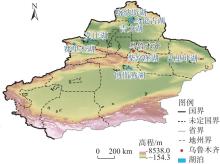
Fig. 1
Spatial distribution of typical lakes in north-central Xinjiang"
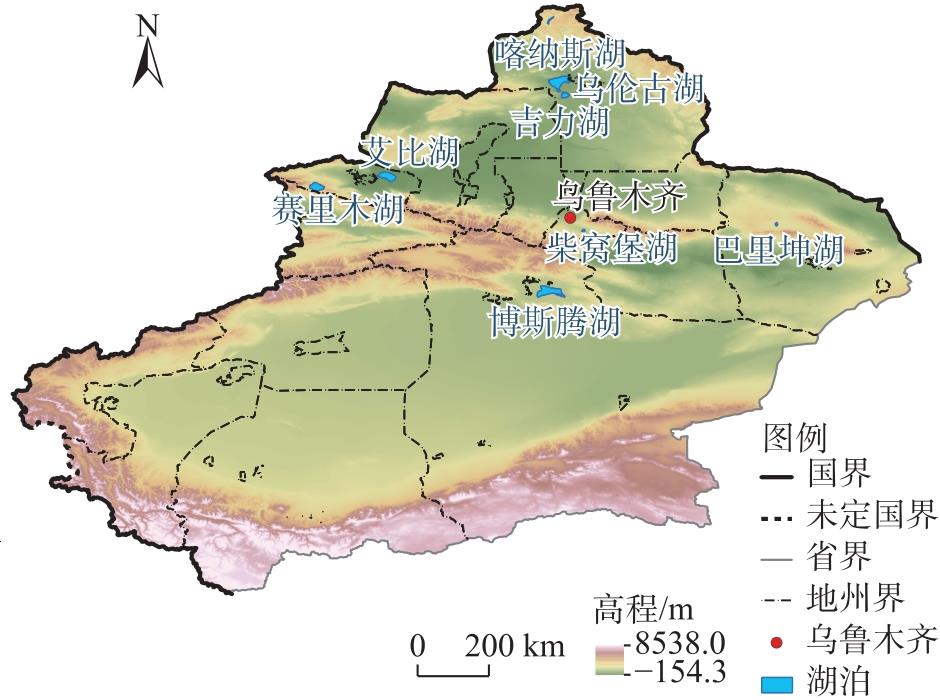
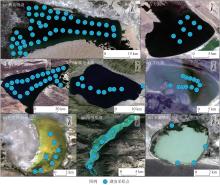
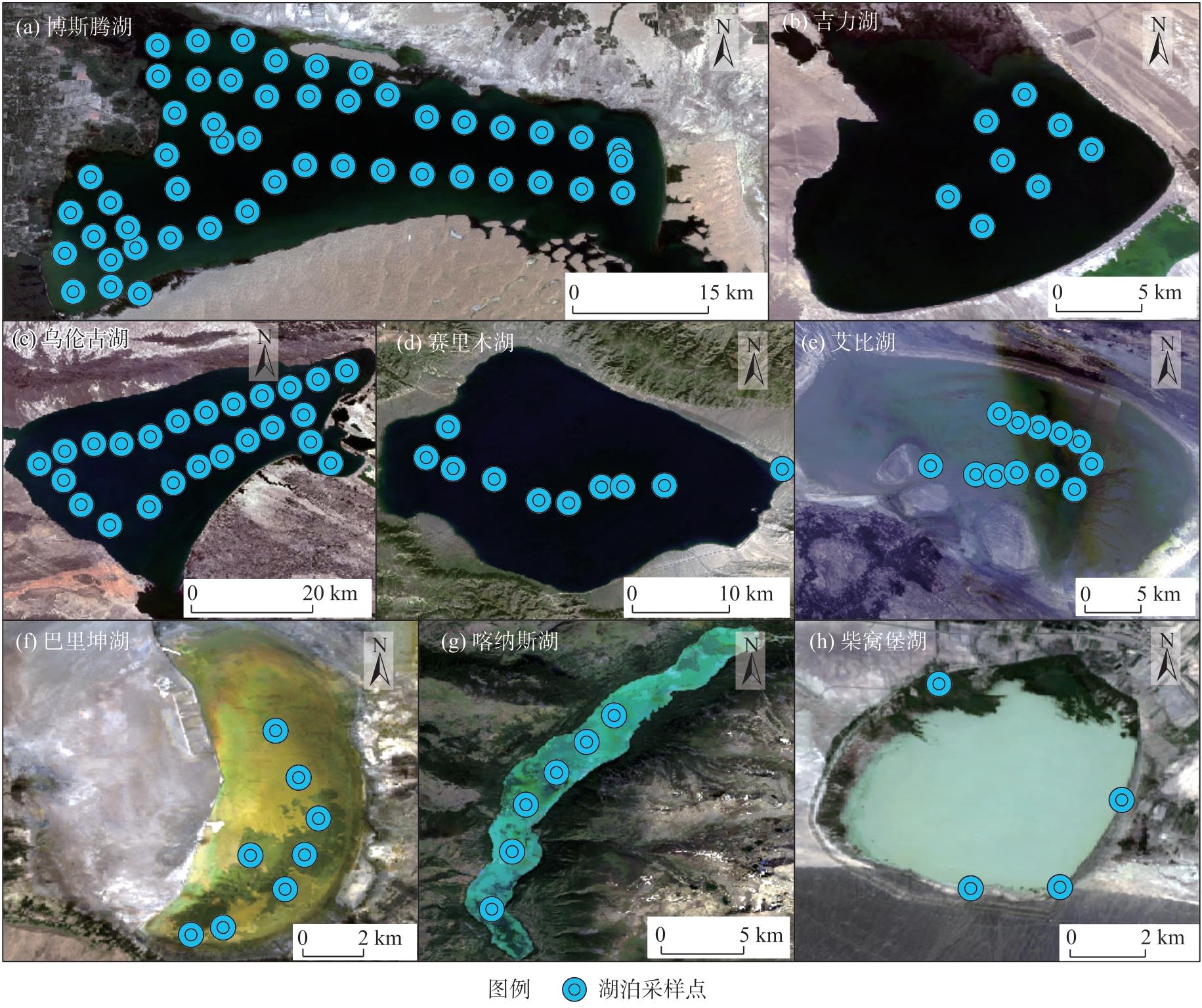
Fig. 2
Spatial distributions of sampling points for typical lakes in north-central Xinjiang"
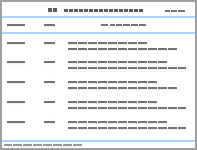
Tab. 1
Basic information of typical lakes in north-central Xinjiang"
| 湖泊名称 | 经度/E | 纬度/N | 湖泊面积/km2 | 平均深度/m | 样点数量 |
|---|---|---|---|---|---|
| 博斯腾湖 | 86°40′~87°25′ | 41°56′~42°14′ | 987 | 6.6 | 50 |
| 吉力湖 | 87°20′~87°32′ | 46°51′~47°00′ | 171 | 9.9 | 8 |
| 乌伦古湖 | 87°02′~87°35′ | 46°51′~47°25′ | 652 | 15.0 | 24 |
| 赛里木湖 | 80°59′~81°22′ | 44°29′~44°32′ | 453 | 46.4 | 10 |
| 艾比湖 | 82°35′~83°16′ | 44°34′~45°08′ | 707 | 1.4 | 12 |
| 巴里坤湖 | 92°43′~92°51′ | 43°36′~43°43′ | 60 | 1.1 | 8 |
| 喀纳斯湖 | 86°59′~87°09′ | 48°42′~48°53′ | 45 | 97.0 | 6 |
| 柴窝堡湖 | 87°48′~88°10′ | 43°24′~43°36′ | 22 | 4.2 | 4 |
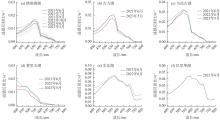
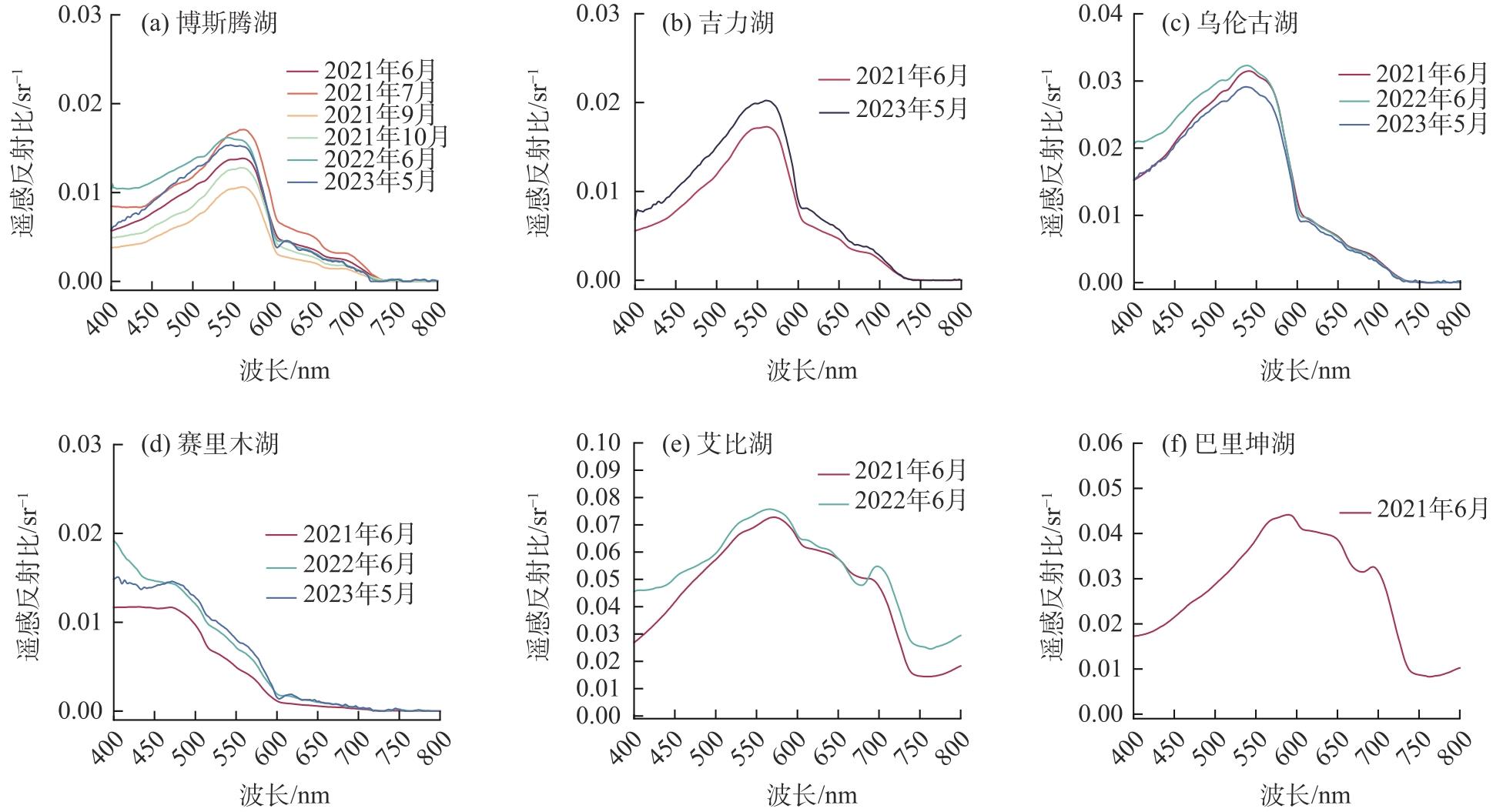
Fig. 3
Mean remote sensing reflectance spectral curves at sampling points of typical lakes in north-central Xinjiang"
Tab. 2
Water transparency of typical lakes in north-central Xinjiang"
| 湖泊 | 采样时间 | 样点数量 | 水体透明度/m |
|---|---|---|---|
| 博斯腾湖 | 2021年6月 | 50 | 2.9±0.8 |
| 2021年7月 | 50 | 1.8±0.4 | |
| 2021年9月 | 50 | 2.5±0.5 | |
| 2021年10月 | 48 | 2.4±0.4 | |
| 2022年6月 | 47 | 4.8±1.7 | |
| 2023年5月 | 47 | 2.7±1.1 | |
| 吉力湖 | 2021年6月 | 8 | 2.0±0.3 |
| 2023年5月 | 8 | 1.6±0.3 | |
| 2023年10月 | 10 | 1.0±0.1 | |
| 乌伦古湖 | 2021年6月 | 24 | 1.5±0.2 |
| 2022年6月 | 25 | 1.8±0.2 | |
| 2023年5月 | 25 | 1.5±0.2 | |
| 2023年10月 | 25 | 1.6±0.2 | |
| 赛里木湖 | 2021年6月 | 8 | 12.4±1.3 |
| 2022年6月 | 10 | 16.7±3.3 | |
| 2023年5月 | 13 | 8.0±3.6 | |
| 艾比湖 | 2021年6月 | 12 | 0.2±0.1 |
| 2022年6月 | 13 | 0.1±0.1 |
Tab. 3
Suspended matter concentration of typical lakes in north-central Xinjiang"
| 湖泊 | 采样时间 | 样点数量 | 悬浮物浓度/mg·L-1 | 无机悬浮物浓度/mg·L-1 | 有机悬浮物浓度/mg·L-1 |
|---|---|---|---|---|---|
| 博斯腾湖 | 2021年6月 | 46 | 3.013±2.778 | 1.056±2.670 | 1.957±0.782 |
| 2021年7月 | 50 | 4.946±1.625 | 1.381±1.591 | 3.565±0.673 | |
| 2021年9月 | 50 | 2.923±0.864 | 0.768±0.602 | 2.155±0.571 | |
| 2021年10月 | 50 | 2.960±1.341 | 1.092±1.139 | 1.868±0.626 | |
| 吉力湖 | 2021年6月 | 8 | 9.800±14.850 | 8.075±13.590 | 1.725±1.273 |
| 2023年5月 | 9 | 4.334±1.369 | 2.479±1.203 | 1.855±0.217 | |
| 2023年10月 | 10 | 9.794±2.003 | 6.435±1.577 | 3.359±0.609 | |
| 乌伦古湖 | 2021年6月 | 24 | 22.273±25.329 | 19.789±24.703 | 2.484±1.048 |
| 2023年5月 | 25 | 2.734±1.034 | 1.499±0.863 | 1.235±0.286 | |
| 2023年10月 | 25 | 5.298±1.206 | 3.404±1.011 | 1.894±0.441 | |
| 赛里木湖 | 2021年6月 | 10 | 3.291±3.031 | 2.145±2.971 | 1.146±0.587 |
| 2022年6月 | 10 | 25.689±19.532 | 22.269±18.122 | 3.420±1.508 | |
| 艾比湖 | 2021年6月 | 12 | 1114.417±210.731 | 1063.167±200.388 | 51.250±10.489 |
| 巴里坤湖 | 2021年6月 | 8 | 318.00±227.392 | 300.750±222.186 | 17.250±7.496 |
Tab. 4
Chlorophyll-a concentration of typical lakes in north-central Xinjiang"
| 湖泊 | 采样时间 | 样点数量 | 叶绿素a浓度/μg·L-1 |
|---|---|---|---|
| 博斯腾湖 | 2021年6月 | 46 | 2.04±0.59 |
| 2021年7月 | 50 | 4.10±0.69 | |
| 2021年9月 | 50 | 4.56±1.21 | |
| 2021年10月 | 50 | 2.90±0.61 | |
| 2022年6月 | 47 | 1.35±0.44 | |
| 2023年5月 | 47 | 1.95±0.66 | |
| 吉力湖 | 2021年6月 | 8 | 2.40±0.65 |
| 2022年6月 | 8 | 3.90±1.45 | |
| 2023年5月 | 8 | 2.49±0.91 | |
| 2023年10月 | 10 | 17.25±3.43 | |
| 乌伦古湖 | 2021年6月 | 24 | 1.94±2.25 |
| 2022年6月 | 25 | 1.51±0.55 | |
| 2023年5月 | 25 | 1.03±0.48 | |
| 2023年10月 | 25 | 3.96±0.65 | |
| 赛里木湖 | 2022年6月 | 10 | 2.35±4.08 |
| 2023年5月 | 13 | 0.17±0.07 | |
| 艾比湖 | 2021年6月 | 12 | 5.25±1.67 |
| 2022年6月 | 13 | 18.28±9.95 | |
| 巴里坤湖 | 2021年6月 | 7 | 0.96±1.09 |
| 喀纳斯湖 | 2021年6月 | 6 | 0.47±0.09 |
| 2023年5月 | 2 | 1.19±0.40 | |
| 柴窝堡湖 | 2021年6月 | 4 | 9.55±5.54 |
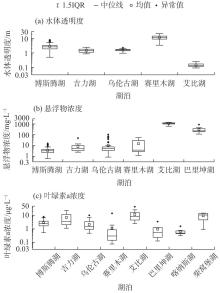
Fig. 4
Multi-year water quality parameters of typical lakes in north-central Xinjiang"
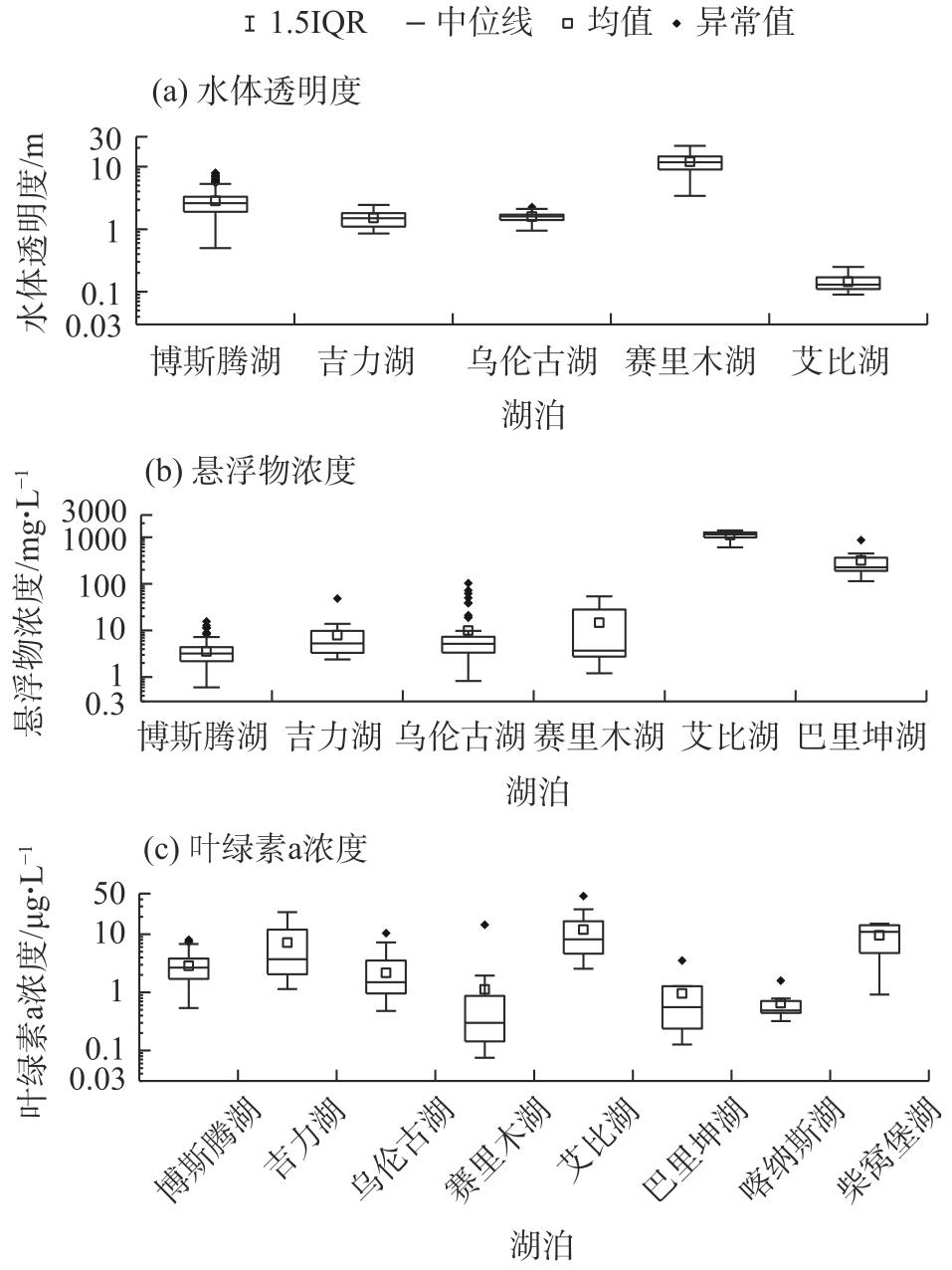
Fig. 5
Spatial distributions of water transparency in Bosten Lake"
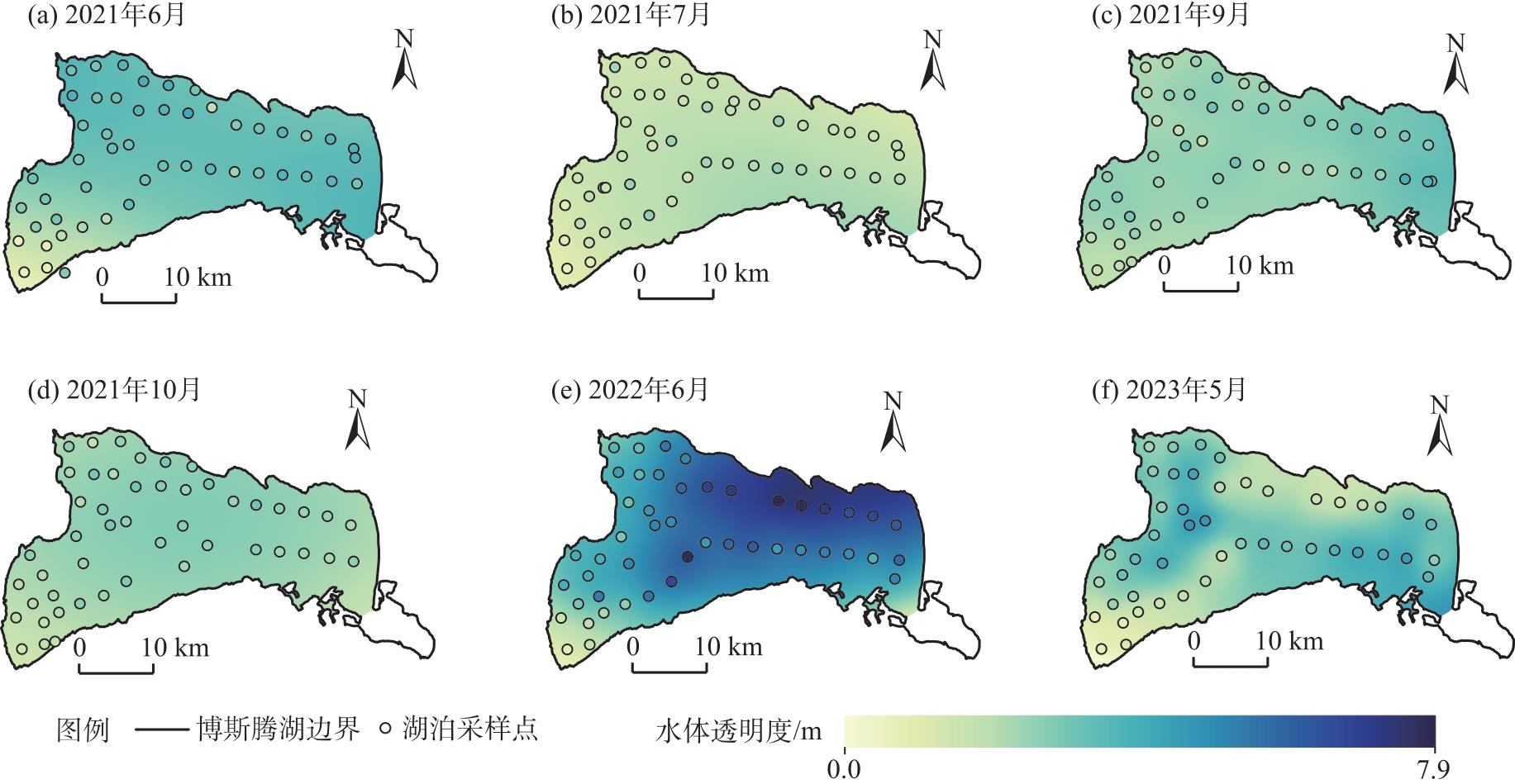
Fig. 6
Spatial distributions of suspended matter concentration in Bosten Lake"
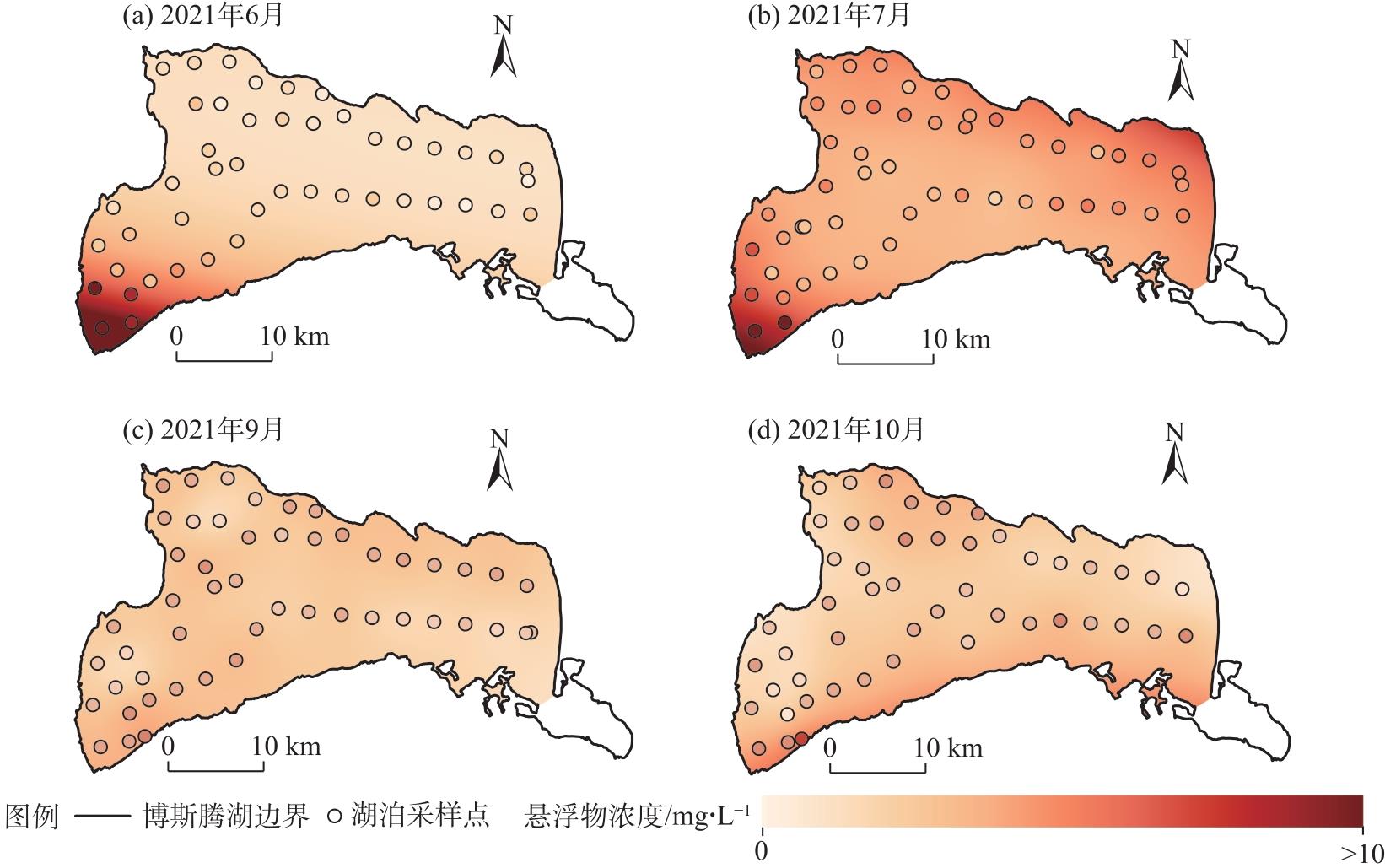
Fig. 7
Spatial distributions of chlorophyll-a concentration in Bosten Lake"
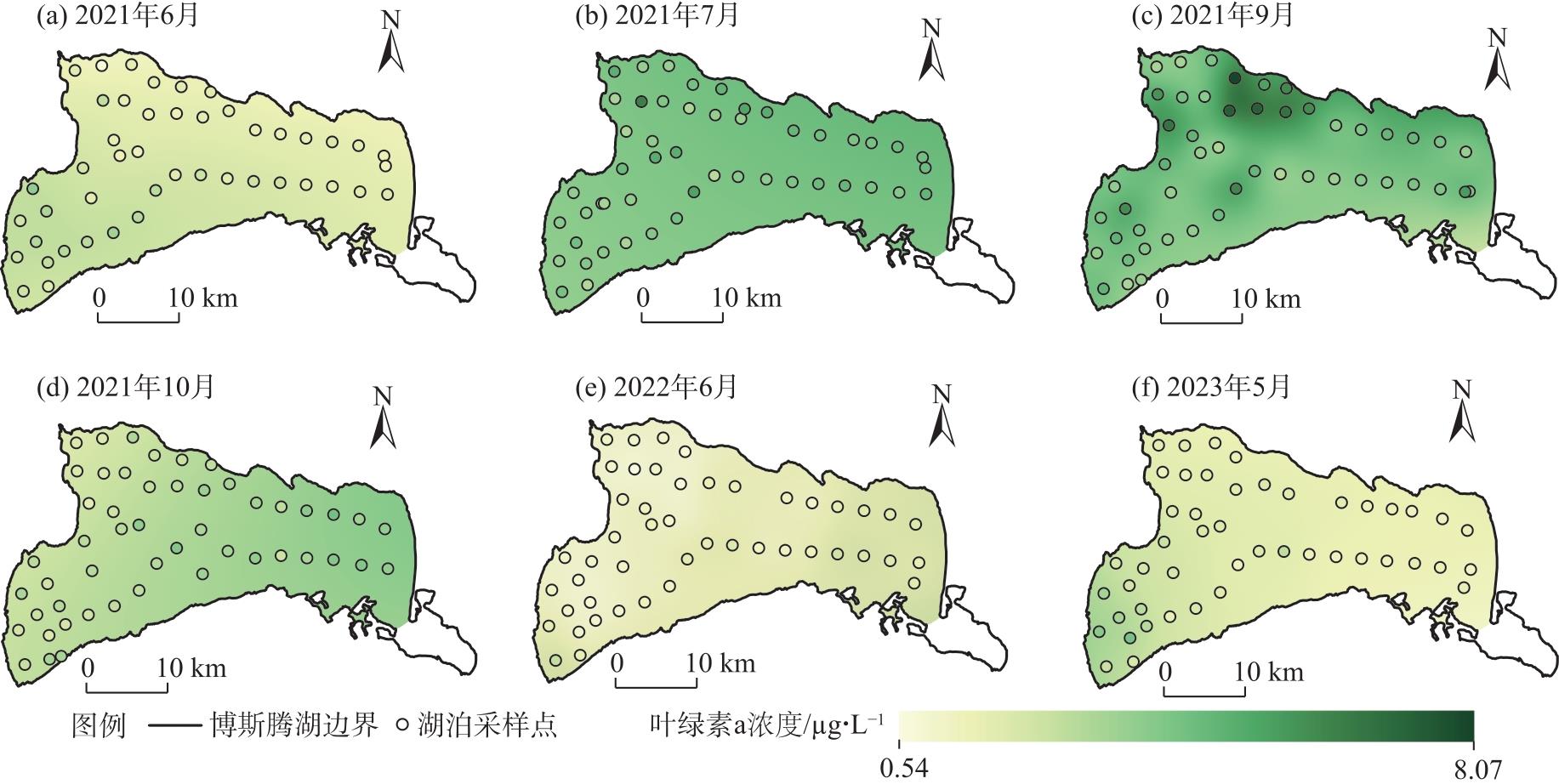
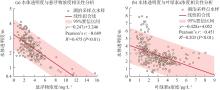
Fig. 8
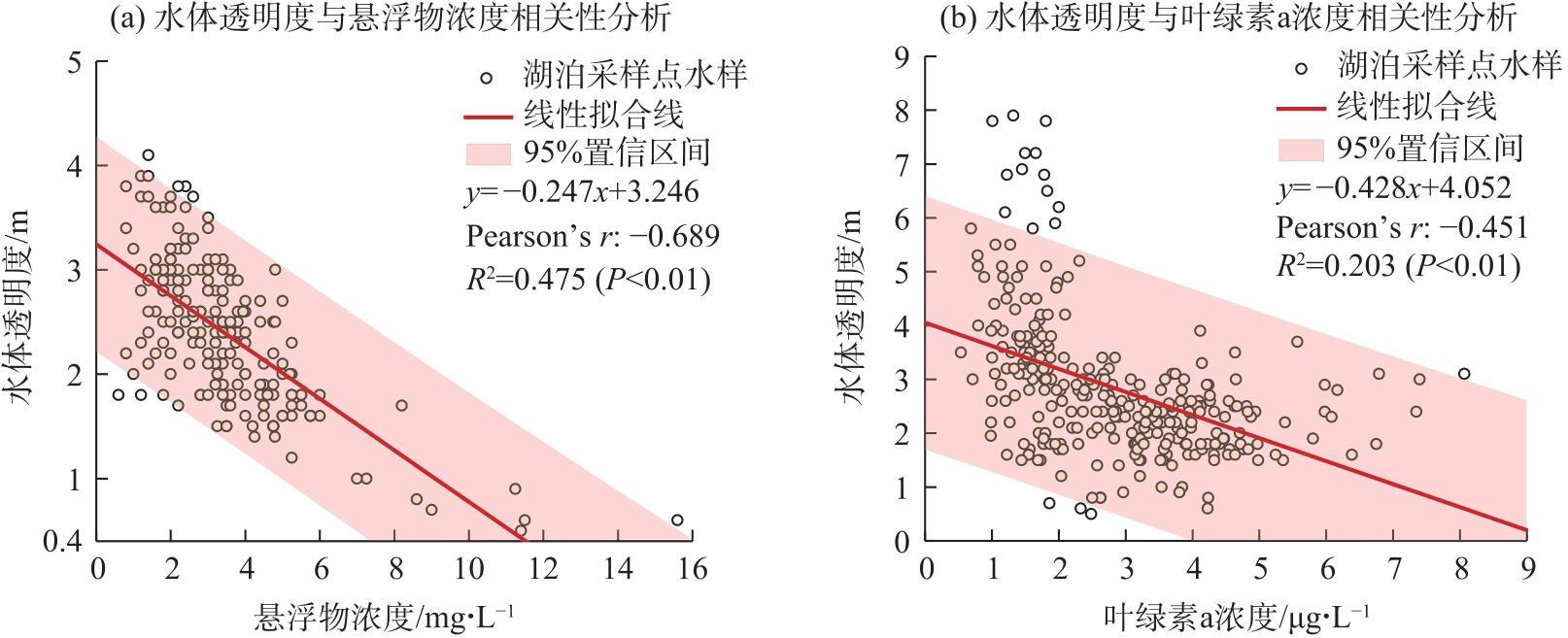
Correlation analysis of water transparency with suspended matter and chlorophyll-a concentrations at sampling points in Bosten Lake"
| [1] | Zhang G Q, Yao T D, Xie H J, et al. Response of Tibetan Plateau lakes to climate change: Trends, patterns, and mechanisms[J]. Earth-Science Reviews, 2020, 208: 103269, doi: 10.1016/j.earscirev.2020.103269. |
| [2] |
Miao S, Liu C, Qian B J, et al. Remote sensing-based water quality assessment for urban rivers: A study in Linyi development area[J]. Environmental Science and Pollution Research, 2020, 27: 34586-34595.
doi: 10.1007/s11356-018-4038-z |
| [3] | 朱广伟, 许海, 朱梦圆, 等. 三十年来长江中下游湖泊富营养化状况变迁及其影响因素[J]. 湖泊科学, 2019, 31(6): 1510-1524. |
|
[Zhu Guangwei, Xu Hai, Zhu Mengyuan, et al. Changing characteristics and driving factors of trophic state of lakes in the middle and lower reaches of Yangtze River in the past 30 years[J]. Journal of Lake Sciences, 2019, 31(6): 1510-1524.]
doi: 10.18307/2019.0622 |
|
| [4] |
An C B, Feng Z D, Barton L, et al. Dry or humid? Mid-Holocene humidity changes in arid and semi-arid China[J]. Quaternary Science Reviews, 2006, 25(3-4): 351-361.
doi: 10.1016/j.quascirev.2005.03.013 |
| [5] |
邓铭江, 李湘权, 龙爱华, 等. 支撑新疆经济社会跨越式发展的水资源供需结构调控分析[J]. 干旱区地理, 2011, 34(3): 379-390.
doi: 10.13826/j.cnki.cn65-1103/x.2011.03.017 |
| [Deng Mingjiang, Li Xiangquan, Long Aihua, et al. Regulation of supply and demand structure of the water resources and support economic and social leap-forward development of protection measures[J]. Arid Land Geography, 2011, 34(3): 379-390.] | |
| [6] | 谭佳宇, 梁妮, 周永强, 等. 新疆干旱区典型湖泊的碳排放监测与特征分析[J]. 湖泊科学, 2024, 36(6): 1834-1842. |
|
[Tan Jiayu, Liang Ni, Zhou Yongqiang, et al. Carbon emissions monitoring and characteristic analysis of typical lakes in arid regions of Xinjiang[J]. Journal of Lake Sciences, 2024, 36(6): 1834-1842.]
doi: 10.18307/2024.0629 |
|
| [7] | Liu D, Duan H T, Loiselle S, et al. Observations of water transparency in China’s lakes from space[J]. International Journal of Applied Earth Observation and Geoinformation, 2020, 92: 102187, doi: 10.1016/j.jag.2020.102187. |
| [8] | 马荣华, 段洪涛, 唐军武, 等. 湖泊水环境遥感[M]. 北京: 科学出版社, 2010: 1-86. |
| [Ma Ronghua, Duan Hongtao, Tang Junwu, et al. Remote sensing of lake water environment[M]. Beijing: Science Press, 2010: 1-86.] | |
| [9] | HJ1320-2023. 中华人民共和国生态环境部: 生态遥感地面观测与验证技术导则[S]. 北京: 中国标准出版社, 2023. |
| [HJ1320-2023. Ministry of Ecology and Environment: Technical guidelines for ground-based observation and validation of ecological remote sensing[S]. Beijing: Standards Press of China, 2023.] | |
| [10] | 新疆维吾尔自治区统计局. 新疆维吾尔自治区地区概况[EB/OL]. [2020-02-14]. https://tjj.xinjiang.gov.cn/tjj/dqgk/list_dx.shtml. |
| [Bureau of Statistics of Xinjiang Uygur Autonomous Region. Overview of the Xinjiang Uygur Autonomous Region[EB/OL]. [2020-02-14]. https://tjj.xinjiang.gov.cn/tjj/dqgk/list_dx.shtml.] | |
| [11] | 新疆维吾尔自治区统计局. 新疆维吾尔自治区第三次全国国土调查主要数据公报[EB/OL]. [2024-06-01]. https://tjj.xinjiang.gov.cn/tjj/wjtz/202201/68170344947f45afbed5cddfbae49d9f.shtml. |
| [Bureau of Statistics of Xinjiang Uygur Autonomous Region. Main data bulletin of the Third National Land Survey of the Xinjiang Uygur Autonomous Region[EB/OL]. [2024-06-01]. https://tjj.xinjiang.gov.cn/tjj/wjtz/202201/68170344947f45afbed5cddfbae49d9f.shtml.] | |
| [12] | Hu M Q, Ma R H, Xue K, et al. Eutrophication evolution of lakes in China: Four decades of observations from space[J]. Journal of Hazardous Materials, 2024, 470: 134225, doi: 10.1016/j.jhazmat.2024.134225. |
| [13] |
马元植, 覃小林, 凌红波, 等. 1991—2020年新疆中小湖泊面积变化时空特征及趋势分析[J]. 干旱区研究, 2024, 41(6): 905-916.
doi: 10.13866/j.azr.2024.06.01 |
|
[Ma Yuanzhi, Qin Xiaolin, Ling Hongbo, et al. Spatio-temporal characteristics and trends of area changes in the small and medium-sized lakes in Xinjiang, China, from 1991 to 2020[J]. Arid Zone Research, 2024, 41(6): 905-916.]
doi: 10.13866/j.azr.2024.06.01 |
|
| [14] | 郭梦京, 韩绍舜, 袁博, 等. 基于NDVI指数的博斯腾湖流域植被覆盖时空动态变化及驱动因素分析[J]. 环境科学, 2026, 47(3): 1767-1779. |
| [Guo Mengjing, Han Shaoshun, Yuan Bo, et al. Analysis of temporal and spatial dynamic changes in vegetation coverage and driving factors in the Bosten Lake Basin based on the NDVI index[J]. Environmental Science, 2026, 47(3): 1767-1779.] | |
| [15] | 窦乾明, 王乐, 赵章国, 等. 基于底栖动物完整性指数及综合生物指数的乌伦古湖生态健康评价[J]. 生态学报, 2025, 45(16): 7723-7738. |
| [Dou Qianming, Wang Le, Zhao Zhangguo, et al. Ecological health assessment of Ulungur Lake based on macroinvertebrates index of biotic integrity and comprehensive biological index[J]. Acta Ecologica Sinica, 2025, 45(16): 7723-7738.] | |
| [16] | 秦莉, 袁玉江, 喻树龙, 等. 新疆赛里木湖流域过去373年降水变化的树轮记录[J]. 生态学报, 2017, 37(4): 1084-1092. |
| [Qin Li, Yuan Yujiang, Yu Shulong, et al. Tree-ring-based precipitation variability over the past 373 years in the Sayram Lake Basin, Tianshan Mountains[J]. Acta Ecologica Sinica, 2017, 37(4): 1084-1092.] | |
| [17] |
郭佳丽, 马勇刚, 潘恒, 等. 艾比湖春夏季土壤盐渍化卫星监测对比分析[J]. 干旱区地理, 2025, 48(12): 2143-2157.
doi: 10.12118/j.issn.1000-6060.2025.044 |
|
[Guo Jiali, Ma Yonggang, Pan Heng, et al. Comparative analysis of satellite monitoring of soil salinization in Ebinur Lake during spring and summer[J]. Arid Land Geography, 2025, 48(12): 2143-2157.]
doi: 10.12118/j.issn.1000-6060.2025.044 |
|
| [18] |
郝帅, 李发东. 艾比湖流域典型荒漠植被水分利用来源研究[J]. 地理学报, 2021, 76(7): 1649-1661.
doi: 10.11821/dlxb202107006 |
|
[Hao Shuai, Li Fadong. Water sources of the typical desert vegetation in Ebinur Lake Basin[J]. Acta Geographica Sinica, 2021, 76(7): 1649-1661.]
doi: 10.11821/dlxb202107006 |
|
| [19] |
王振, 李均力, 包安明, 等. 1995—2020年新疆巴里坤湖面积时序变化及归因[J]. 干旱区研究, 2021, 38(6): 1514-1523.
doi: 10.13866/j.azr.2021.06.03 |
|
[Wang Zhen, Li Junli, Bao Anming, et al. Temporal variation in the Barkol Lake area and its driving factors in 1995—2020[J]. Arid Zone Research, 2021, 38(6): 1514-1523.]
doi: 10.13866/j.azr.2021.06.03 |
|
| [20] |
刘晓彦, 毛东雷, 姚卢琛, 等. 基于SEM模型的柴窝堡湖面积时空动态演变特征及影响因素分析[J]. 生态环境学报, 2025, 34(2): 302-310.
doi: 10.16258/j.cnki.1674-5906.2025.02.012 |
| [Liu Xiaoyan, Mao Donglei, Yao Luchen, et al. Analysis of spatial and temporal dynamic evolution characteristics and influencing factors of Chaiwopu Lake area based on SEM model[J]. Ecology and Environmental Sciences, 2025, 34(2): 302-310.] | |
| [21] |
Jay S, Guillaume M, Minghelli A, et al. Hyperspectral remote sensing of shallow waters: Considering environmental noise and bottom intra-class variability for modeling and inversion of water reflectance[J]. Remote Sensing of Environment, 2017, 200: 352-367.
doi: 10.1016/j.rse.2017.08.020 |
| [22] | Tan Z Y, Simis S G H, Yang C, et al. Revealing two decades of chlorophyll-a dynamics in arid oligotrophic lakes of Xinjiang, China using a deep recurrent approach[J]. Water Research, 2025, 285: 124058, doi: 10.1016/j.watres.2025.124058. |
| [23] |
Padial A A, Thomaz S M. Prediction of the light attenuation coefficient through the Secchi disk depth: Empirical modeling in two large neotropical ecosystems[J]. Limnology, 2008, 9: 143-151.
doi: 10.1007/s10201-008-0246-4 |
| [24] |
Bukata R P, Jerome J H, Bruton J E. Relationships among secchi disk depth, beam attenuation coefficient, and irradiance attenuation coefficient for great lakes waters[J]. Journal of Great Lakes Research, 1988, 14(3): 347-355.
doi: 10.1016/S0380-1330(88)71564-6 |
| [25] | 宋庆君, 马荣华, 唐军武, 等. 秋季太湖悬浮物高光谱估算模型[J]. 湖泊科学, 2008, 20(2): 196-202. |
|
[Song Qingjun, Ma Ronghua, Tang Junwu, et al. Models of estimated total suspend matter concentration base on hyper-spectrum in Lake Taihu, in autumn[J]. Journal of Lake Sciences, 2008, 20(2): 196-202.]
doi: 10.18307/2008.0210 |
|
| [26] | 马荣华, 宋庆君, 唐军武, 等. 太湖秋季水体遥感反射比的简单经验估测模型[J]. 湖泊科学, 2007, 19(3): 227-234. |
|
[Ma Ronghua, Song Qingjun, Tang Junwu, et al. A simple empirical model for remote sensing reflectance of Lake Taihu waters in autumn[J]. Journal of Lake Sciences, 2007, 19(3): 227-234.]
doi: 10.18307/2007.0301 |
|
| [27] | 赵英时. 遥感应用分析原理与方法[M]. 北京: 科学出版社, 2013: 414-433. |
| [Zhao Yingshi. Principles and methods of remote sensing application analysis[M]. Beijing: Science Press, 2013: 414- 433.] | |
| [28] | 王明翠, 刘雪芹, 张建辉. 湖泊富营养化评价方法及分级标准[J]. 中国环境监测, 2002, 18(5): 47-49. |
| [Wang Mingcui, Liu Xueqin, Zhang Jianhui. Evaluate method and classification standard on lake eutrophication[J]. Environmental Monitoring in China, 2002, 18(5): 47-49.] | |
| [29] | 岳林坦, 杨逸帆, 庄新凤, 等. 大型浅水湖泊叶绿素a浓度对高温热浪响应的模拟研究[J]. 湖泊科学, 2026, 38(1): 65-80. |
|
[Yue Lintan, Yang Yifan, Zhuang Xinfeng, et al. Simulation study on the response of chlorophyll-a concentration to extreme heatwaves in a large shallow lake[J]. Journal of Lake Sciences, 2026, 38(1): 65-80.]
doi: 10.18307/2026.0110 |
|
| [30] |
Lee Z P, Shang S L, Lin G, et al. On the modeling of hyperspectral remote-sensing reflectance of high-sediment-load waters in the visible to shortwave-infrared domain[J]. Applied Optics, 2016, 55(7): 1738-1750.
doi: 10.1364/AO.55.001738 |
| [31] | Cao Z G, Ma R H, Liu M, et al. Harmonized chlorophyll-a retrievals in inland lakes from Landsat-8/9 and Sentinel 2A/B virtual constellation through machine learning[J]. IEEE Transactions on Geoscience and Remote Sensing, 2022, 60: 4209916, doi: 10.1109/TGRS.2022.3207345. |
| [32] |
Mobley C D. Estimation of the remote-sensing reflectance from above-surface measurements[J]. Applied Optics, 1999, 38(36): 7442-7455.
pmid: 18324298 |
| [33] | 金海龙, 王晓峰, 王哲, 等. 新疆博斯腾湖资源开发与环境保护研究[J]. 水土保持研究, 2002, 9(3): 58-61. |
| [Jin Hailong, Wang Xiaofeng, Wang Zhe, et al. Study on resources development and environmental protection of the Bosten Lake[J]. Research of Soil and Water Conservation, 2002, 9(3): 58-61.] | |
| [34] | 徐海量, 陈亚宁, 李卫红. 博斯腾湖湖水污染现状分析[J]. 干旱区资源与环境, 2003, 17(3): 95-97. |
| [Xu Hailiang, Chen Yaning, Li Weihong. Analysis on the pollution situation of Bosten Lake[J]. Journal of Arid Land Resources and Environment, 2003, 17(3): 95-97.] | |
| [35] |
陈明丽, 麦麦提吐尔逊·艾则孜, 王丽灵, 等. 博斯腾湖流域小微湿地重金属污染及潜在风险评估[J]. 干旱区地理, 2025, 48(12): 2111-2121.
doi: 10.12118/j.issn.1000-6060.2025.040 |
|
[Chen Mingli, Aizezi Maimaitituerxun, Wang Liling, et al. Pollution and potential risk assessment of heavy metals in small wetlands in the Bosten Lake Basin[J]. Arid Land Geography, 2025, 48(12): 2111-2121.]
doi: 10.12118/j.issn.1000-6060.2025.040 |
|
| [36] | 张飞, 王维维, 辛红云, 等. 新疆艾比湖流域河湖水质变化(2005—2020年)[J]. 湖泊科学, 2022, 34(2): 478-495. |
|
[Zhang Fei, Wang Weiwei, Xin Hongyun, et al. Changes of rivers and lakes water quality in Lake Ebinur Basin, Xinjiang (2005—2020)[J]. Journal of Lake Sciences, 2022, 34(2): 478-495.]
doi: 10.18307/2022.0210 |
|
| [37] | 段潘. 时空融合模型在艾比湖悬浮物遥感监测中的应用研究[D]. 乌鲁木齐: 新疆大学, 2022. |
| [Duan Pan. Application of spatiotemporal fusion model in remote sensing monitoring of suspended particulate matter in Ebinur Lake[D]. Urumqi: Xinjiang University, 2022.] | |
| [38] | Tang X M, Xie G J, Deng J M, et al. Effects of climate change and anthropogenic activities on lake environmental dynamics: A case study in Lake Bosten catchment, NW China[J]. Journal of Environmental Management, 2022, 319: 115764, doi: 10.1016/j.jenvman.2022.115764. |
| [39] |
春秀, 周金龙, 周殷竹, 等. 2021—2024年博斯腾湖营养化水平时空变化特征及影响因素[J]. 干旱区研究, 2026, 43(2): 287-303.
doi: 10.13866/j.azr.2026.02.07 |
|
[Chun Xiu, Zhou Jinlong, Zhou Yinzhu, et al. Analysis of spatiotemporal characteristics and influencing factors of nutrient levels in Bosten Lake from 2021 to 2024[J]. Arid Zone Research, 2026, 43(2): 287-303.]
doi: 10.13866/j.azr.2026.02.07 |
|
| [40] |
吴敬禄, 马龙, 曾海鳌. 新疆博斯腾湖水质水量及其演化特征分析[J]. 地理科学, 2013, 33(2): 231-237.
doi: 10.13249/j.cnki.sgs.2013.02.231 |
| [Wu Jinglu, Ma Long, Zeng Haiao. Water quality and quantity characteristics and its evolution in Lake Bosten, Xinjiang over the past 50 years[J]. Geographical Science, 2013, 33(2): 231-237.] |
| [1] | LI Hongfei, CHANG Kai. Spatiotemporal distribution characteristics and spatial network construction of national nature reserves in China [J]. Arid Land Geography, 2025, 48(11): 1971-1982. |
| [2] | WU Zhixiang, ZHANG Zhibin, ZHAO Xuewei, CHEN Long, MA Xiaomin, CHAI Jiao. Spatiotemporal distribution pattern and influencing factors of A-level tourist attractions in northwestern China [J]. Arid Land Geography, 2023, 46(12): 2061-2073. |
|
||