干旱区地理 ›› 2026, Vol. 49 ›› Issue (11): 2401-2415.doi: 10.12118/j.issn.1000-6060.2025.793 cstr: 32274.14.ALG2025793
江岳坤1( ), 赵玲1,2(), 张庆昊1
收稿日期:2025-12-04
修回日期:2026-04-16
出版日期:2026-11-25
发布日期:2026-11-13
通讯作者:
赵玲(1978-),女,博士,教授,主要从事区域经济发展研究. E-mail: 2010990013@qhu.edu.cn作者简介:江岳坤(1998-),男,博士研究生,主要从事区域经济发展、旅游经济发展等方面研究. E-mail: jiangyk2019@163.com论文构思:江岳坤、赵玲;数据管理:江岳坤、张庆昊;规范分析:江岳坤;获取资助:赵玲;调查研究:江岳坤、张庆昊;方法设计:江岳坤、赵玲;项目管理:赵玲;提供资源:赵玲;软件编程:江岳坤;监督指导:赵玲;验证复核:江岳坤、赵玲;可视化:江岳坤;初稿撰写:江岳坤;修订编辑:江岳坤、赵玲。
基金资助:
JIANG Yuekun1(), ZHAO Ling1,2(), ZHANG Qinghao1
Received:2025-12-04
Revised:2026-04-16
Published:2026-11-25
Online:2026-11-13
摘要:
伴随中国统一大市场加快构建和扩大内需战略深入实施,旅游业正逐渐成为激发消费活力和推动区域协调发展的关键力量。以中国336个市域为研究对象,通过构建综合评价指标体系,系统刻画了中国旅游业发展规模的时空演化特征与重心迁移轨迹,并结合引力模型、社会网络分析与地理加权回归模型等方法,探究城市旅游首位度、旅游业发展规模空间关联网络结构特征与影响因素的空间异质性。结果表明:(1)2012—2023年中国旅游业发展规模经历“快速扩张-疫情冲击-弹性修复”的阶段性演进轨迹,区域格局呈现“东部高位领跑、中部稳步追赶、西部加速赶超、东北相对承压”的特征,旅游业发展规模的重心逐渐向中国西南方向迁移。(2)城市旅游引力呈现多极化趋势,传统特大型城市的单极辐射优势逐渐弱化,中西部及区域性中心城市旅游首位度显著提升。(3)市域间旅游业发展规模的空间联系日益紧密,空间关联网络密度上升、等级下降、冗余联系增多,东部核心城市的单向辐射效应逐步被多层级、多路径互动网络取代,中西部尤其是西南区域性中心城市的中介与承接功能显著增强。(4)影响因素存在空间异质性,交通通达度对旅游业发展规模的影响由“西强东弱”的增量释放转向成熟市场的边际递减,城镇化与产业结构升级对旅游业发展的影响呈现出明显的结构分化与阶段依赖,而经济增长对旅游业的影响则存在显著的区域差异与结构性脱耦现象。
江岳坤, 赵玲, 张庆昊. 中国市域旅游业发展规模时空演化、空间关联网络结构及影响因素[J]. 干旱区地理, 2026, 49(11): 2401-2415.
JIANG Yuekun, ZHAO Ling, ZHANG Qinghao. Spatiotemporal evolution, spatial association network structure, and influencing factors of tourism development scale at the municipal level in China[J]. Arid Land Geography, 2026, 49(11): 2401-2415.

表1
旅游业发展规模评价指标体系"
| 一级指标 | 二级指标 | 单位 | 属性 |
|---|---|---|---|
| 旅游经济规模 | 旅游总收入 | 108元 | + |
| 旅游接待总人数 | 104人 | + | |
| 旅游资源禀赋 | A级旅游景区加权指数 | - | + |
| 旅游服务供给 | 旅行社数量 | 个 | + |
| 旅游星级饭店数量 | 个 | + |
图1
中国旅游业发展规模时序演化特征"
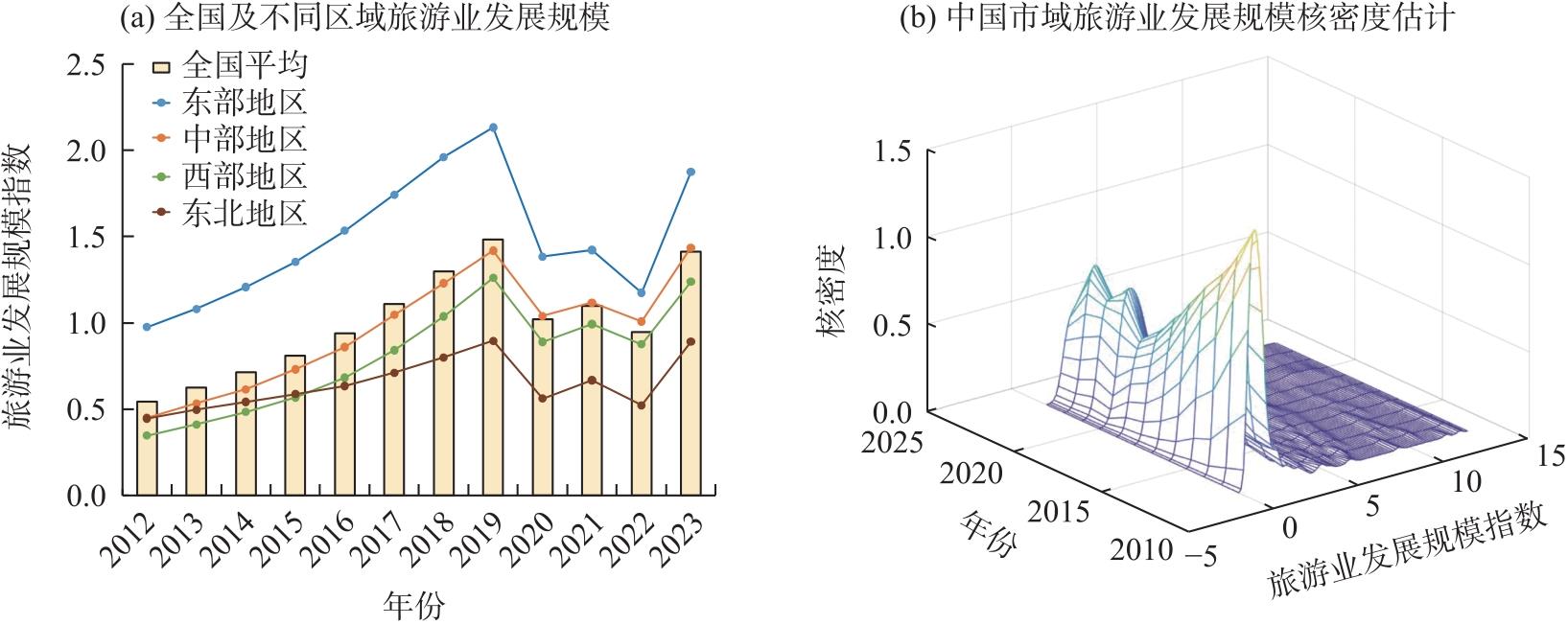
图2
中国市域旅游业发展规模空间分布格局"
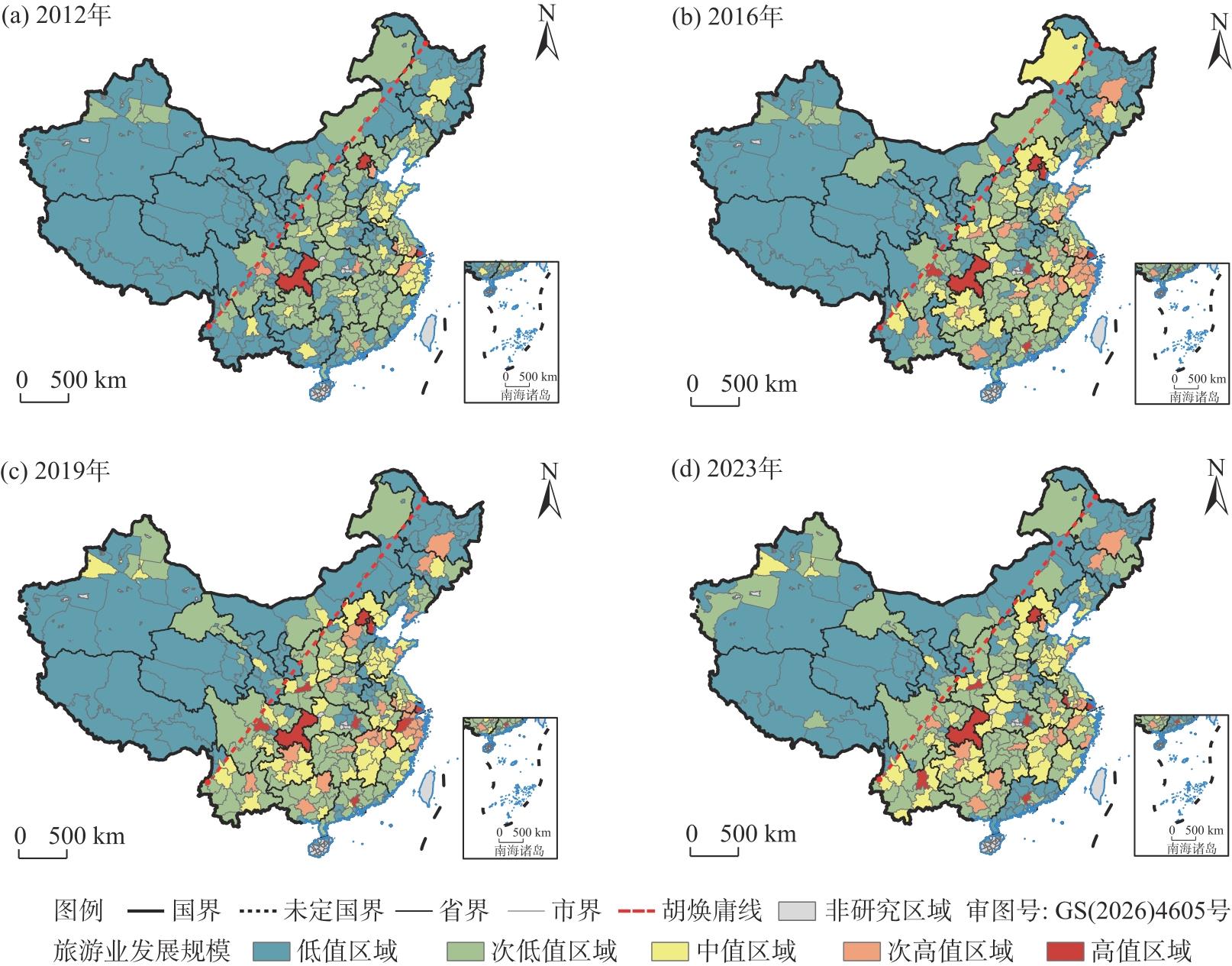
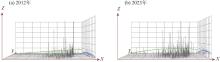
图3
中国市域旅游业发展规模的三维宏观趋势 注:Z轴表示中国各市域的旅游业发展规模;X、Y轴分别表示旅游业发展规模在东西向和南北向的总体趋势。"
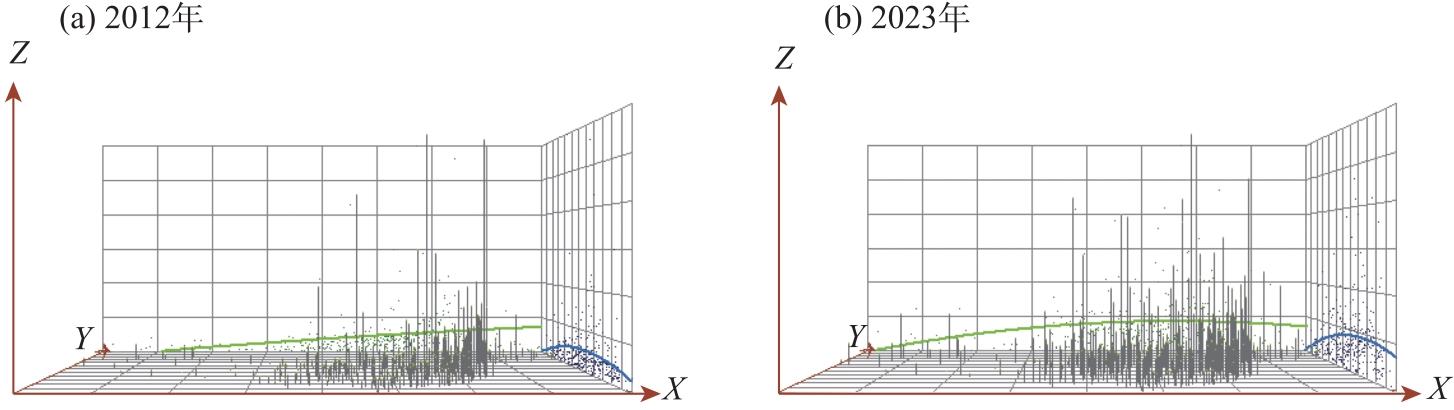
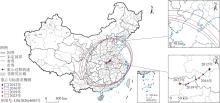
图4
2012—2023年中国市域旅游业发展规模的标准差椭圆与重心迁移轨迹"
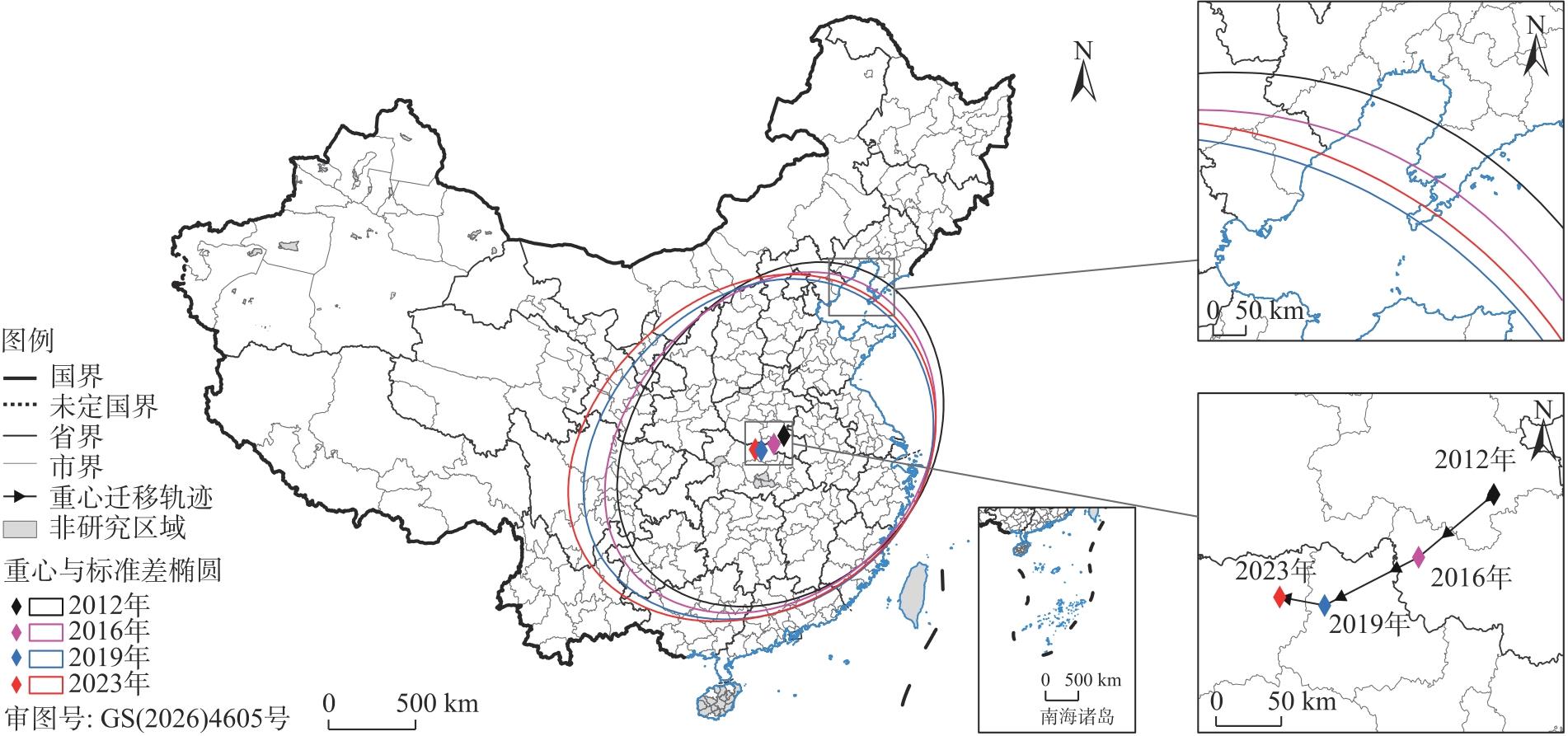
表2
2012—2023年中国市域旅游业发展规模标准差椭圆参数"
| 年份 | 重心经度/°E | 重心纬度/°N | 方位角/(°) | 平均形状指数/% | 年份 | 重心经度/°E | 重心纬度/°N | 方位角/(°) | 平均形状指数/% |
|---|---|---|---|---|---|---|---|---|---|
| 2012 | 114.61 | 32.65 | 63.39 | 72.95 | 2018 | 113.46 | 32.04 | 67.52 | 73.12 |
| 2013 | 114.43 | 32.65 | 64.18 | 72.87 | 2019 | 113.14 | 32.00 | 71.14 | 73.36 |
| 2014 | 114.32 | 32.56 | 63.16 | 72.20 | 2020 | 112.97 | 31.71 | 77.83 | 70.95 |
| 2015 | 114.12 | 32.40 | 64.57 | 72.82 | 2021 | 112.76 | 31.91 | 73.62 | 71.38 |
| 2016 | 113.95 | 32.27 | 64.76 | 72.51 | 2022 | 112.55 | 31.60 | 73.55 | 69.83 |
| 2017 | 113.73 | 32.12 | 64.84 | 72.44 | 2023 | 112.78 | 32.08 | 72.20 | 71.05 |
图5
中国城市旅游引力与旅游首位度"
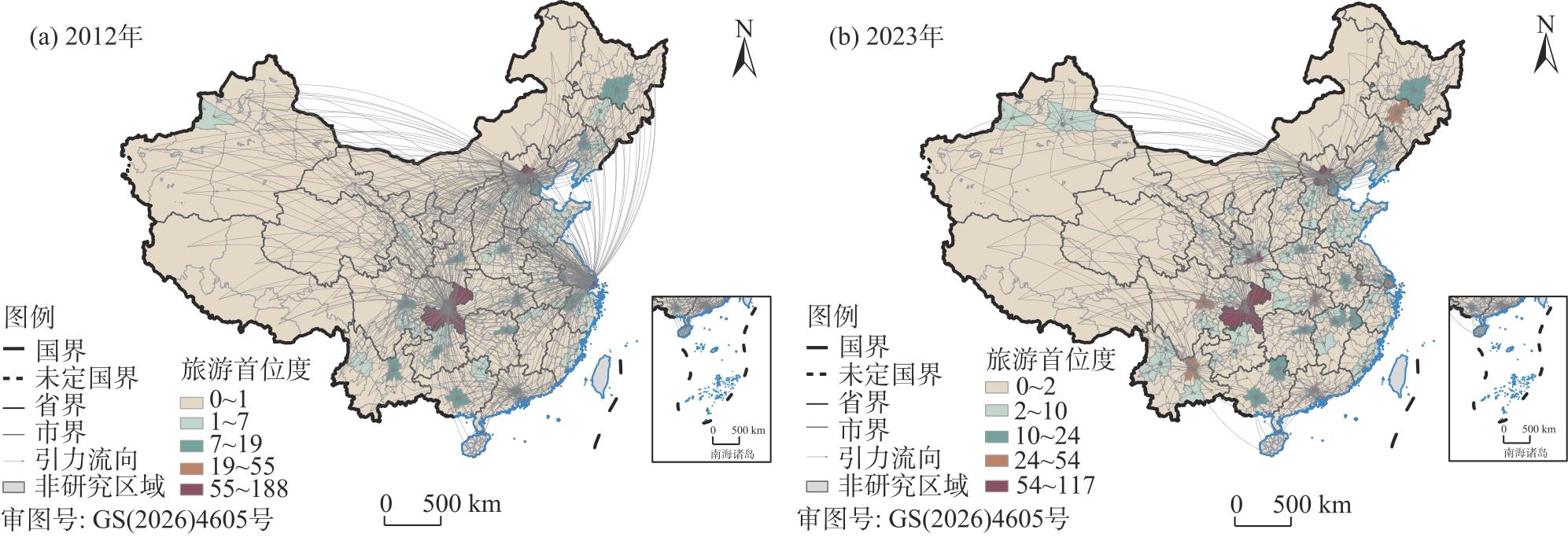
图6
整体网络结构特征"
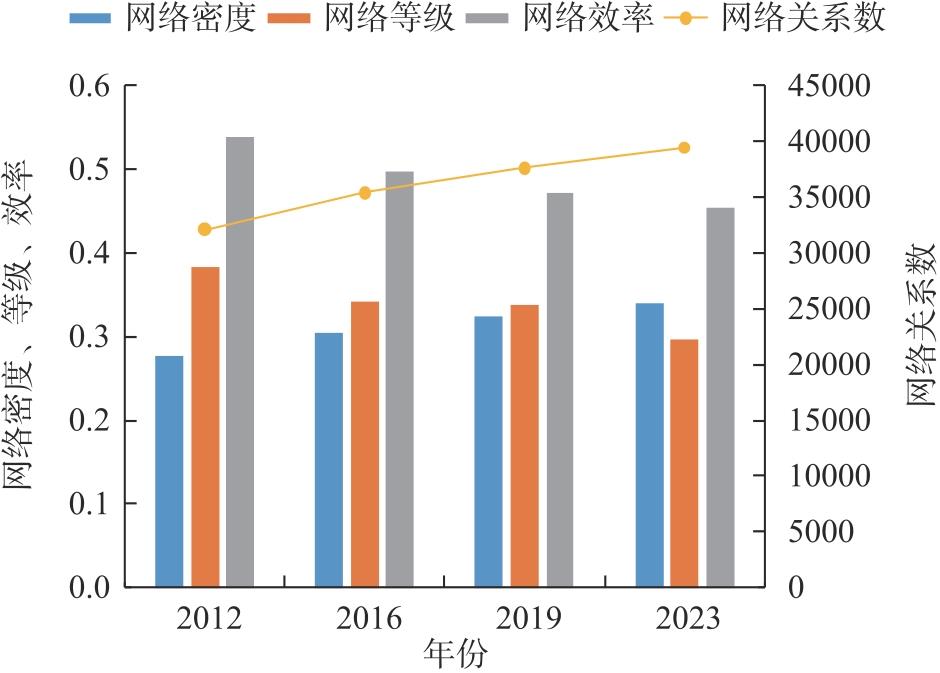
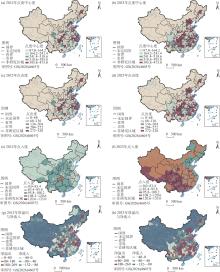
图7
中国市域旅游业发展规模空间关联网络点度中心度"

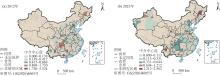
图8
中国市域旅游业发展规模空间关联网络中介中心度"
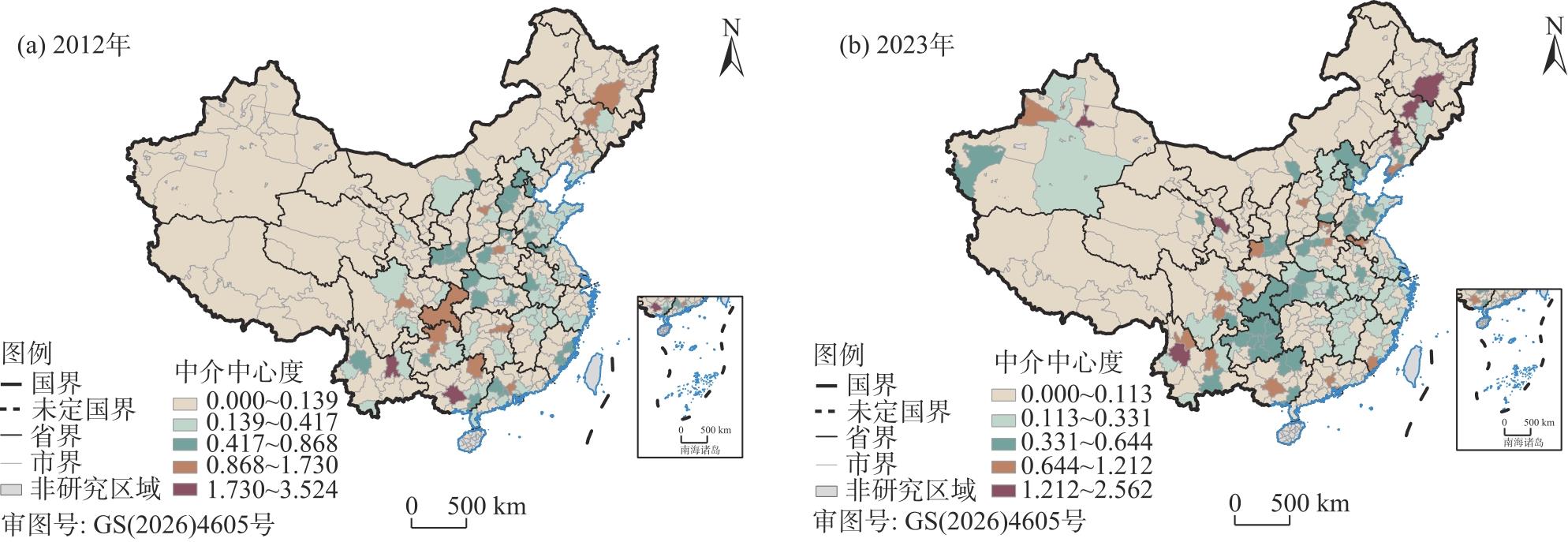
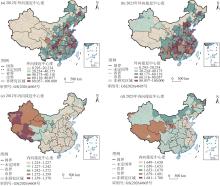
图9
中国市域旅游业发展规模空间关联网络接近中心度"
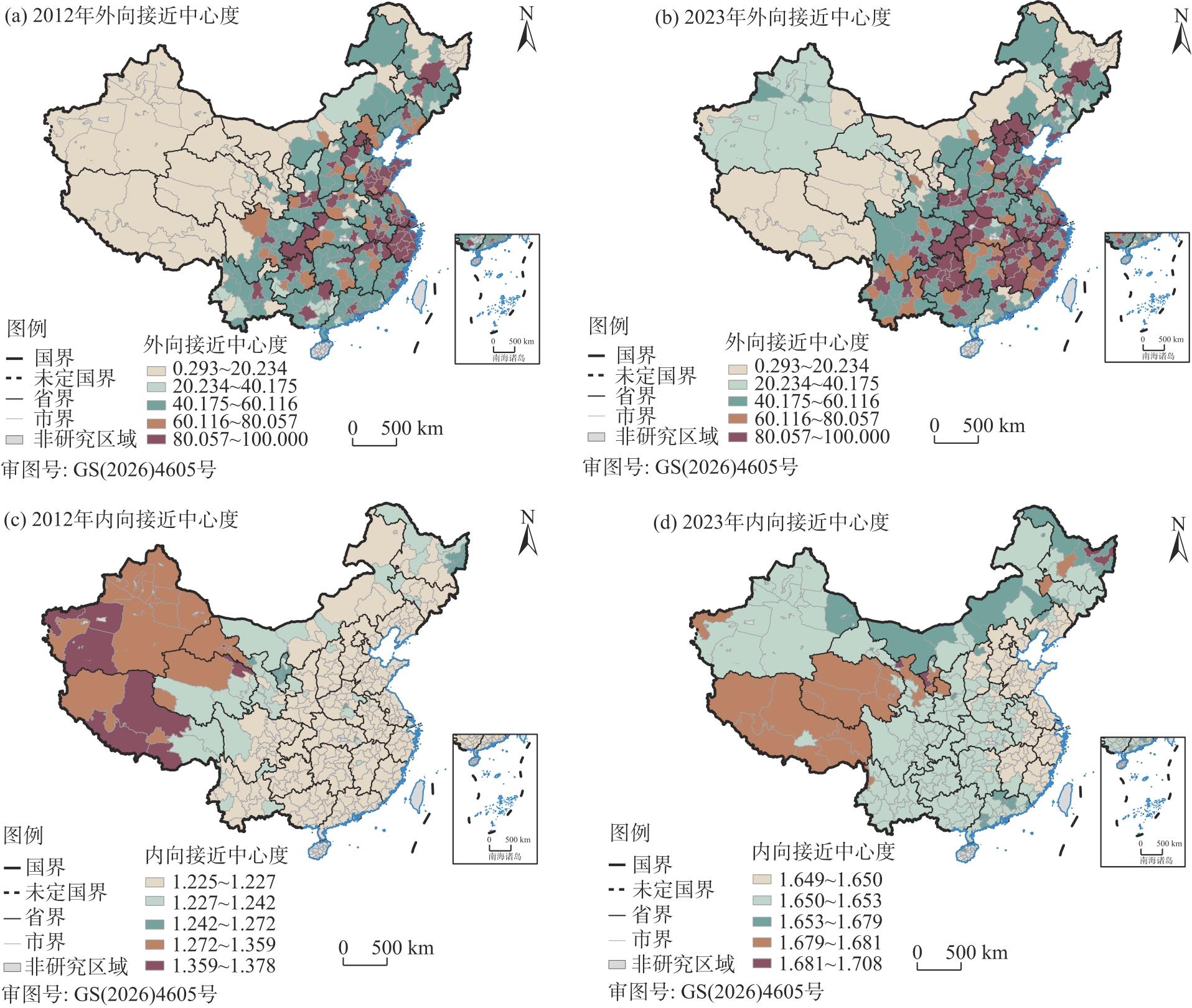
表3
GWR模型与OLS模型结果对比"
| 模型参数 | GWR模型 | OLS模型 |
|---|---|---|
| AICc | 743.307 | 752.163 |
| R2 | 0.755 | 0.713 |
| 调整后R2 | 0.727 | 0.697 |
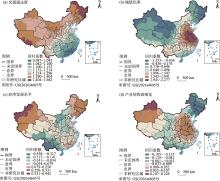
图10
影响因素回归系数的空间分布"

| [1] |
胡森林, 焦世泰, 张晓奇. 中国城市旅游发展的时空演化及影响因素——基于动态空间马尔科夫链模型的分析[J]. 自然资源学报, 2021, 36(4): 854-865.
doi: 10.31497/zrzyxb.20210404 |
|
[Hu Senlin, Jiao Shitai, Zhang Xiaoqi. Spatio-temporal evolution and influencing factors of China’s tourism development: Based on the non-static spatial Markov chain model[J]. Journal of Natural Resources, 2021, 36(4): 854-865.]
doi: 10.31497/zrzyxb.20210404 |
|
| [2] | 张翱, 孙久文. 旅游业与区域经济发展: 影响机制及理论启示[J]. 经济与管理评论, 2025, 41(3): 18-29. |
| [Zhang Ao, Sun Jiuwen. Tourism and regional economic development: Influence mechanisms and theoretical implications[J]. Review of Economy and Management, 2025, 41(3): 18-29.] | |
| [3] | 王佳莹, 张辉. 旅游业发展有利于优化要素收入分配结构吗?[J]. 经济管理, 2023, 45(6): 193-208. |
| [Wang Jiaying, Zhang Hui. Whether tourism development is in favor of optimization of income distribution structure?[J]. Economic and Management, 2023, 45(6): 193-208.] | |
| [4] | Wang Y, Huang Z Y, Fan A. Tourism and new rurality: Gentrified space versus co-created place[J]. Annals of Tourism Research, 2025, 113: 103979, doi: 10.1016/j.annals.2025.103979. |
| [5] |
王金伟, 王启翔, 冯凌. 旅游业发展对共同富裕的直接影响及空间溢出效应[J]. 地理学报, 2024, 79(4): 1045-1067.
doi: 10.11821/dlxb202404013 |
|
[Wang Jinwei, Wang Qixiang, Feng Ling. Direct and spillover effects of tourism development on common prosperity[J]. Acta Geographica Sinica, 2024, 79(4): 1045-1067.]
doi: 10.11821/dlxb202404013 |
|
| [6] | 王兆峰, 张先甜. 中国省域旅游发展与民生福祉的动态响应及协调效应研究[J]. 旅游科学, 2023, 37(3): 1-19. |
| [Wang Zhaofeng, Zhang Xiantian. A research on the dynamic response and coordination effect of provincial tourism development and the residents’ well-being in China[J]. Tourism Science, 2023, 37(3): 1-19.] | |
| [7] | 容贤标, 胡振华, 熊曦. 旅游业发展与生态文明建设耦合度的地区间差异[J]. 经济地理, 2016, 36(8): 189-194. |
|
[Rong Xianbiao, Hu Zhenhua, Xiong Xi. Regional differences in the coupling relationship between tourism development and ecological civilization construction[J]. Economic Geography, 2016, 36(8): 189-194.]
doi: 10.2307/141815 |
|
| [8] | 赵磊, 张文杰, 吴以衡. 低碳城市试点是否影响旅游业发展?[J]. 旅游学刊, 2025, 40(7): 122-140. |
| [Zhao Lei, Zhang Wenjie, Wu Yiheng. Does the pilot project of low-carbon cities affect tourism development?[J]. Tourism Tribune, 2025, 40(7): 122-140.] | |
| [9] |
杨晓琰, 宋瑞. 数字经济对旅游产业发展的影响机理[J]. 地理科学进展, 2024, 43(10): 1943-1955.
doi: 10.18306/dlkxjz.2024.10.004 |
|
[Yang Xiaoyan, Song Rui. The mechanism of the impact of digital economy on tourism industry development[J]. Progress in Geography, 2024, 43(10): 1943-1955.]
doi: 10.18306/dlkxjz.2024.10.004 |
|
| [10] | 王静, 杨勇, 黄鑫. “新质”还是“传统”: 新质生产力影响旅游发展的机制及效应研究[J]. 旅游科学, 2025, 39(6): 46-65. |
| [Wang Jing, Yang Yong, Huang Xin. “New quality” or “traditional”? Research on the mechanism and effects of new quality productivity on tourism development[J]. Tourism Science, 2025, 39(6): 46-65.] | |
| [11] | 谢晓如, 朱竑, 黄剑. 中国旅游业绿色发展的挑战与出路[J]. 旅游学刊, 2023, 38(11): 5-8. |
| [Xie Xiaoru, Zhu Hong, Huang Jian. Challenges and solutions for the green development of China’s tourism industry[J]. Tourism Tribune, 2023, 38(11): 5-8.] | |
| [12] |
时朋飞, 曹钰晗, 龙荟冰, 等. 我国旅游业高质量发展水平测度、空间分异及障碍因子诊断[J]. 经济地理, 2023, 43(2): 201-210.
doi: 10.15957/j.cnki.jjdl.2023.02.021 |
|
[Shi Pengfei, Cao Yuhan, Long Huibing, et al. Measurement of the level of high-quality development in China’s tourism industry, spatial differentiation, and diagnosis of obstacle factors[J]. Economic Geography, 2023, 43(2): 201-210.]
doi: 10.15957/j.cnki.jjdl.2023.02.021 |
|
| [13] | 史亚莉. 智慧旅游视角下我国乡村旅游发展新路径研究[J]. 农业经济问题, 2023(4): 145. |
| [Shi Yali. Research on new development paths for rural tourism in China from the perspective of smart tourism[J]. Issues in Agricultural Economy, 2023(4): 145.] | |
| [14] | Jin Y, Xi H, Wang X. Evaluation of the integration policy in China: Does the integration of culture and tourism promote tourism development?[J]. Annals of Tourism Research, 2022, 97(11): 103491, doi: 10.1016/j.annals.2022.103491. |
| [15] |
岳菊, 戴湘毅. 区域文化遗产与旅游发展耦合机制及协调效应——基于京津冀地区的实证分析[J]. 经济地理, 2024, 44(1): 230-240.
doi: 10.15957/j.cnki.jjdl.2024.01.023 |
| [Yue Ju, Dai Xiangyi. Coupling mechanism and coordination effect of regional cultural heritage and tourism development: An empirical analysis based on the Beijing-Tianjin-Hebei region[J]. Economic Geography, 2024, 44(1): 230-240.] | |
| [16] |
纪晓萌, 秦伟山, 李世泰, 等. 中国地级单元旅游业发展效率格局及影响因素[J]. 资源科学, 2021, 43(1): 185-196.
doi: 10.18402/resci.2021.01.15 |
|
[Ji Xiaomeng, Qin Weishan, Li Shitai, et al. The development efficiency pattern and influencing factors of tourism in China’s prefecture-level administrative units[J]. Resources Science, 2021, 43(1): 185-196.]
doi: 10.18402/resci.2021.01.15 |
|
| [17] | 余升国, 杨鹏辉. 离岛免税政策是否促进了旅游业发展? ——基于政策历史演进的视角[J]. 旅游科学, 2024, 38(8): 1-25. |
| [Yu Shengguo, Yang Penghui. Has the offshore duty-free policy facilitated tourism development? From the perspective of policy historical evolution[J]. Tourism Science, 2024, 38(8): 1-25.] | |
| [18] |
张伟, 殷瑞阳, 战莹, 等. 西部地区民航运输与旅游业发展的互动关系[J]. 地理科学, 2023, 43(10): 1774-1782.
doi: 10.13249/j.cnki.sgs.2023.10.009 |
| [Zhang Wei, Yin Ruiyang, Zhan Ying, et al. The interactive relationship between civil aviation transportation and tourism development in the western region[J]. Geographical Science, 2023, 43(10): 1774-1782.] | |
| [19] |
蔡超岳, 唐健雄, 李志远. 黄河流域旅游业发展与生态文明建设的协同演化研究[J]. 自然资源学报, 2025, 40(11): 3048-3072.
doi: 10.31497/zrzyxb.20251110 |
|
[Cai Chaoyue, Tang Jianxiong, Li Zhiyuan. Research on the co-evolution of tourism development and ecological civilization construction in the Yellow River Basin[J]. Journal of Natural Resources, 2025, 40(11): 3048-3072.]
doi: 10.31497/zrzyxb.20251110 |
|
| [20] |
李龙, 王朝辉, 乔浩浩, 等. 长三角城市群旅游经济一体化形成机制与协同发展模式——基于联系网络视角[J]. 经济地理, 2025, 45(5): 181-190.
doi: 10.15957/j.cnki.jjdl.2025.05.019 |
|
[Li Long, Wang Chaohui, Qiao Haohao, et al. The formation mechanism and coordinated development model of tourism economy integration in the Yangtze River Delta urban agglomeration: A perspective based on network connections[J]. Economic Geography, 2025, 45(5): 181-190.]
doi: 10.15957/j.cnki.jjdl.2025.05.019 |
|
| [21] | 郑涛, 杨如雪. 中国高技术制造业韧性测度与影响效应研究[J]. 统计与决策, 2023, 39(23): 101-106. |
| [Zheng Tao, Yang Ruxue. Research on resilience measurement and impact effects of China’s high-tech manufacturing industry[J]. Statistics & Decision, 2023, 39(23): 101-106.] | |
| [22] |
江岳坤, 石鹏娟. 中国市域城乡收入差距时空演化及影响因素[J]. 干旱区地理, 2024, 47(1): 147-157.
doi: 10.12118/j.issn.1000-6060.2023.257 |
|
[Jiang Yuekun, Shi Pengjuan. Spatiotemporal evolution and its affecting factors of urban-rural income gap at the city-level scale in China[J]. Arid Land Geography, 2024, 47(1): 147-157.]
doi: 10.12118/j.issn.1000-6060.2023.257 |
|
| [23] |
Lefever D W. Measuring geographic concentration by means of the standard deviational ellipse[J]. The American Journal of Sociology, 1926, 32(1): 88-94.
doi: 10.1086/214027 |
| [24] |
白冰, 赵作权, 张佩. 中国南北区域经济空间融合发展的趋势与布局[J]. 经济地理, 2021, 41(2): 1-10.
doi: 10.15957/j.cnki.jjdl.2021.02.001 |
|
[Bai Bing, Zhao Zuoquan, Zhang Pei. The trend and layout of spatial integration and development of regional economies in the north and south of China[J]. Economic Geography, 2021, 41(2): 1-10.]
doi: 10.15957/j.cnki.jjdl.2021.02.001 |
|
| [25] |
周慧玲, 王甫园. 基于修正引力模型的中国省际旅游者流空间网络结构特征[J]. 地理研究, 2020, 39(3): 669-681.
doi: 10.11821/dlyj020190021 |
| [Zhou Huiling, Wang Fuyuan. Spatial network structure characteristics of inter-provincial tourist flows in China based on the modified gravity model[J]. Geographical Research, 2020, 39(3): 669-681.] | |
| [26] |
Morley C, Rosselló J, Santana-Gallego M. Gravity models for tourism demand: Theory and use[J]. Annals of Tourism Research, 2014, 48: 1-10.
doi: 10.1016/j.annals.2014.05.008 |
| [27] | 王俊, 夏杰长. 中国省域旅游经济空间网络结构及其影响因素研究——基于QAP方法的考察[J]. 旅游学刊, 2018, 33(9): 13-25. |
| [Wang Jun, Xia Jiechang. Research on the spatial network structure of China’s provincial tourism economy and its influencing factors: An investigation based on the QAP method[J]. Tourism Tribune, 2018, 33(9): 13-25.] | |
| [28] |
王凯, 刘美伦. 中国省际共同富裕空间关联网络结构及驱动机制[J]. 经济地理, 2024, 44(7): 1-12.
doi: 10.15957/j.cnki.jjdl.2024.07.001 |
|
[Wang Kai, Liu Meilun. Spatial correlation network and driving mechanism of provincial common prosperity in China[J]. Economic Geography, 2024, 44(7): 1-12.]
doi: 10.15957/j.cnki.jjdl.2024.07.001 |
|
| [29] | 陈梦根, 侯园园. 中国经济增长动力结构变迁: 2000—2019[J]. 经济研究, 2024, 59(1): 53-71. |
| [Chen Menggen, Hou Yuanyuan. Evolution of drivers of China’s economic growth: 2000—2019[J]. Economic Research Journal, 2024, 59(1): 53-71.] | |
| [30] |
白洋, 谭李娜, 刘晓燕, 等. 高铁开通对西北地区旅游经济的影响效应及其融合路径[J]. 干旱区地理, 2024, 47(12): 2124-2134.
doi: 10.12118/j.issn.1000-6060.2024.238 |
|
[Bai Yang, Tan Lina, Liu Xiaoyan, et al. Integration path and influence effect of tourism economy in northwest China[J]. Arid Land Geography, 2024, 47(12): 2124-2134.]
doi: 10.12118/j.issn.1000-6060.2024.238 |
|
| [31] |
林玉英, 靳一东, 张发梓, 等. 中国优秀旅游城市旅游经济空间格局演变特征及影响因素[J]. 地理科学, 2024, 44(6): 973-983.
doi: 10.13249/j.cnki.sgs.20230579 |
| [Lin Yuying, Jin Yidong, Zhang Fazi, et al. Evolution characteristics and influencing factors of tourism economic spatial pattern of China’s outstanding tourist cities[J]. Geographical Science, 2024, 44(6): 973-983.] | |
| [32] |
马丽君, 欧阳旻. 文旅产业双向共聚对区域经济发展的影响——以东北三省为例[J]. 经济地理, 2025, 45(10): 245-255.
doi: 10.15957/j.cnki.jjdl.2025.10.025 |
|
[Ma Lijun, Ouyang Min. Impact of bidirectional coagglomeration of cultural and tourism industries on regional economic development: A case study of the three northeastern provinces[J]. Economic Geography, 2025, 45(10): 245-255.]
doi: 10.15957/j.cnki.jjdl.2025.10.025 |
| [1] | 赵瑞东, 刘海猛, 郭文炯, 张晨皓. 黄河中游地区城镇化与城市生态韧性协调发展时空演化及影响因素[J]. 干旱区地理, 2026, 49(9): 1890-1900. |
| [2] | 赵静, 王永瑜, 史小英. 基于MGWR模型的中国人均碳足迹时空演变及影响因素研究[J]. 干旱区地理, 2026, 49(8): 1601-1613. |
| [3] | 罗庆, 臧永婷, 王云龙, 王山冰, 刘乐. 黄河流域乡镇人口分布格局的演变特征及其驱动机制[J]. 干旱区地理, 2026, 49(8): 1711-1723. |
| [4] | 张登科, 张彦洪, 张鹏举, 张万光. 2000—2022年庆阳市土地利用与植被覆盖时空变化及影响因素[J]. 干旱区地理, 2026, 49(7): 1395-1404. |
| [5] | 芦风英, 滕圣钰, 邓光耀. 中国农业韧性空间关联网络特征及驱动因素识别[J]. 干旱区地理, 2026, 49(7): 1470-1480. |
| [6] | 何嘉欣, 李海洋. 中国就业质量的区域差异、动态演进及影响因素[J]. 干旱区地理, 2026, 49(7): 1520-1529. |
| [7] | 史玉芳, 赵妍, 刘欣悦. 关中平原城市群新质生产力空间关联网络及影响因素研究[J]. 干旱区地理, 2026, 49(6): 1215-1225. |
| [8] | 尹继娇, 杨扬, 徐新扬, 杨图南. 中国物流新质生产力与城市韧性的空间组织网络结构演化及驱动力[J]. 干旱区地理, 2026, 49(6): 1249-1263. |
| [9] | 耿甜伟, 韩晚星, 林菲, 李振环. 陕西省固碳服务供需关系时空演变特征及影响因素[J]. 干旱区地理, 2026, 49(5): 939-948. |
| [10] | 陈文宣, 陈钰, 王生隆. 黄河流域农业碳排放时空演化特征及其影响因素分析[J]. 干旱区地理, 2026, 49(4): 713-726. |
| [11] | 张佳静, 王晓峰, 周潮伟, 周继涛, 白娟. 黄河“几字弯”土地退化中性评估及影响因素分析[J]. 干旱区地理, 2026, 49(4): 856-867. |
| [12] | 周灵敏, 伊木然·库鲁万, 玉素甫江·如素力, 吴海智, 娜扎开提·尼加提. 中国西北干旱区大型湖泊湖冰物候时空差异及影响因素[J]. 干旱区地理, 2026, 49(3): 484-495. |
| [13] | 屠正伟, 张沛, 张中华. 银川都市圈乡村“三生空间”冲突格局演变特征及影响因素[J]. 干旱区地理, 2026, 49(3): 594-606. |
| [14] | 张嘉伟, 裴婷婷, 陈英, 谢保鹏. 大食物观下甘肃省粮食和重要农产品供给安全评价及影响因素[J]. 干旱区地理, 2026, 49(3): 619-630. |
| [15] | 魏丽蓉, 程占红, 石烨, 张玉尧, 王紫彦, 牛莉芹. 黄河流域旅游生态安全的演化特征和影响因素分析——基于社会网络分析视角[J]. 干旱区地理, 2026, 49(2): 245-254. |
|
||