干旱区地理 ›› 2025, Vol. 48 ›› Issue (10): 1707-1720.doi: 10.12118/j.issn.1000-6060.2025.030 cstr: 32274.14.ALG2025030
李新宇1( ), 刘正霄1, 胡骞1, 彭于杨1, 王辉1, 李建强1, 叶新平2, 徐基良1()
收稿日期:2025-01-14
修回日期:2025-02-16
出版日期:2025-10-25
发布日期:2025-10-27
通讯作者:
徐基良(1977-),男,博士,教授,主要从事动物生态学和保护生物学研究. E-mail: xujiliang@bjfu.edu.cn作者简介:李新宇(2000-),男,硕士研究生,主要从事生物多样性保护研究. E-mail: lxy3710501@126.com
基金资助:
LI Xinyu1(), LIU Zhengxiao1, HU Qian1, PENG Yuyang1, WANG Hui1, LI Jianqiang1, YE Xinping2, XU Jiliang1()
Received:2025-01-14
Revised:2025-02-16
Published:2025-10-25
Online:2025-10-27
摘要:
吐鲁番-哈密盆地(吐哈盆地)位于我国西北干旱区,其特殊的自然环境孕育了该地独特的鸟类群落,但至今吐哈盆地鸟类多样性情况仍不清晰,亟需了解吐哈盆地鸟类组成及其分布现状。于2023—2024年采用样线法、样点法和访问调查法等对吐哈盆地的鸟类多样性进行调查,并结合历史文献资料和中国观鸟记录中心的数据进行补充。结果表明:(1) 吐哈盆地共有鸟类295种,隶属22目59科,其中夏候鸟132种(44.75%)、留鸟94种(31.86%)、旅鸟52种(17.63%)、冬候鸟16种(5.42%)、迷鸟1种(0.34%)。(2) 国家一级重点保护野生鸟类11种(3.73%),包括白头硬尾鸭(Oxyura leucocephala)、大鸨(Otis tarda)、玉带海雕(Haliaeetus leucoryphus)、猎隼(Falco cherrug)等;国家二级重点保护野生鸟类53种(17.97%),包括暗腹雪鸡(Tetraogallus himalayensis)、大天鹅(Cygnus cygnus)、灰鹤(Grus grus)、蓝喉歌鸲(Luscinia svecica)等。(3) 中国鸟类特有种1种,为白尾地鸦(Podoces biddulphi);新疆分布新纪录鸟类3种,分别为红尾伯劳(Lanius cristatus)、楔尾伯劳(Lanius sphenocercus)和灰喜鹊(Cyanopica cyanus)。(4) 不同生境类型中,湿地鸟类物种数最多,灌丛鸟类物种数最少;居民区和农田Jaccard相似系数最高为0.52,湿地和灌丛Jaccard相似系数最低为0.19。吐哈盆地不仅具有丰富的鸟类多样性,而且珍稀濒危鸟类较多,因此应该在该地积极开展鸟类多样性监测与研究,为吐哈盆地鸟类多样性保护提供科学参考。
李新宇, 刘正霄, 胡骞, 彭于杨, 王辉, 李建强, 叶新平, 徐基良. 吐哈盆地鸟类多样性的初步研究[J]. 干旱区地理, 2025, 48(10): 1707-1720.
LI Xinyu, LIU Zhengxiao, HU Qian, PENG Yuyang, WANG Hui, LI Jianqiang, YE Xinping, XU Jiliang. Preliminary study of the diversity of birds in Turpan-Hami Basin[J]. Arid Land Geography, 2025, 48(10): 1707-1720.
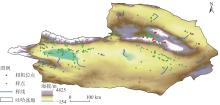
图1
吐哈盆地鸟类调查样线、样点及红外相机位点分布"
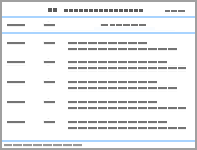
表1
吐哈盆地鸟类物种名录"
| 物种名 | 国家保 护级别 | 分布型 | 居留型 | 来源 | 物种名 | 国家保 护级别 | 分布型 | 居留型 | 来源 | ||||||||||||||||||||||||||||||||
|---|---|---|---|---|---|---|---|---|---|---|---|---|---|---|---|---|---|---|---|---|---|---|---|---|---|---|---|---|---|---|---|---|---|---|---|---|---|---|---|---|---|
| 一、鸡形目 Galliformes | 36. 岩鸽 Columba rupestris | O | R | a,b,c | |||||||||||||||||||||||||||||||||||||
| (一)雉科 Phasianidae | 37. 欧鸽 Columba oenas | O | R | a | |||||||||||||||||||||||||||||||||||||
| 1. 斑翅山鹑 Perdix dauurica | D | R | a,b | 38. 中亚鸽 Columba eversmanni | 二级 | O | R | c | |||||||||||||||||||||||||||||||||
| 2. 环颈雉 Phasianus colchicus | O | R | b | 39. 欧斑鸠 Streptopelia turtur | O | R | b,c | ||||||||||||||||||||||||||||||||||
| 3. 暗腹雪鸡 Tetraogallus himalayensis | 二级 | P | R | a,b | 40. 山斑鸠 Streptopelia orientalis | E | R | a,b,c | |||||||||||||||||||||||||||||||||
| 4. 西鹌鹑 Coturnix coturnix | O | S | b | 41. 灰斑鸠 Streptopelia decaocto | W | R | a,b,c | ||||||||||||||||||||||||||||||||||
| 5. 石鸡 Alectoris chukar | D | R | a,b,c | 42. 棕斑鸠 Streptopelia senegalensis | O | R | a,b,c | ||||||||||||||||||||||||||||||||||
| 二、雁形目 Anseriformes | 六、沙鸡目 Pteroclidiformes | ||||||||||||||||||||||||||||||||||||||||
| (二)鸭科 Anatidae | (六)沙鸡科 Pteroclidae | ||||||||||||||||||||||||||||||||||||||||
| 6. 白头硬尾鸭 Oxyura leucocephala | 一级 | O | S | a | 43. 毛腿沙鸡 Syrrhaptes paradoxus | D | R | a,b,c | |||||||||||||||||||||||||||||||||
| 7. 大天鹅 Cygnus cygnus | 二级 | C | P | a,b | 44. 西藏毛腿沙鸡 Syrrhaptes tibetanus | P | S | a | |||||||||||||||||||||||||||||||||
| 8. 小天鹅 Cygnus columbianus | 二级 | C | P | a | 七、夜鹰目 Caprimulgiformes | ||||||||||||||||||||||||||||||||||||
| 9. 斑头雁 Anser indicus | P | S | a,b,c | (七)夜鹰科 Caprimulgidae | |||||||||||||||||||||||||||||||||||||
| 10. 灰雁 Anser anser | U | S | a,b,c | 45. 欧夜鹰 Caprimulgus europaeus | O | S | b | ||||||||||||||||||||||||||||||||||
| 11. 豆雁 Anser fabalis | U | W | a | (八)雨燕科 Apodidae | |||||||||||||||||||||||||||||||||||||
| 12. 白额雁 Anser albifrons | 二级 | C | P | a,c | 46. 白腰雨燕 Apus pacificus | M | S | a | |||||||||||||||||||||||||||||||||
| 13. 鹊鸭 Bucephala clangula | C | P | a,c | 47. 普通雨燕 Apus apus | O | S | a,b,c | ||||||||||||||||||||||||||||||||||
| 14. 斑头秋沙鸭 Mergellus albellus | 二级 | U | P | a | 八、鹃形目 Cuculiformes | ||||||||||||||||||||||||||||||||||||
| 15. 普通秋沙鸭 Mergus merganser | C | S | a,b,c | (九)杜鹃科 Cuculidae | |||||||||||||||||||||||||||||||||||||
| 16. 翘鼻麻鸭 Tadorna tadorna | U | S | a,b,c | 48. 大杜鹃 Cuculus canorus | O | S | a,b,c | ||||||||||||||||||||||||||||||||||
| 17. 赤麻鸭 Tadorna ferruginea | U | R | a,b,c | 49. 东方中杜鹃 Cuculus optatus | W | S | b | ||||||||||||||||||||||||||||||||||
| 18. 赤嘴潜鸭 Netta rufina | O | S | a,b,c | 九、鹤形目 Gruiformes | |||||||||||||||||||||||||||||||||||||
| 19. 红头潜鸭 Aythya ferina | C | P | a,b,c | (十)秧鸡科 Rallidae | |||||||||||||||||||||||||||||||||||||
| 20. 白眼潜鸭 Aythya nyroca | O | S | a,b,c | 50. 西秧鸡 Rallus aquaticus | U | R | b | ||||||||||||||||||||||||||||||||||
| 21. 凤头潜鸭 Aythya fuligula | U | P | a,c | 51. 小田鸡 Zapornia pusilla | O | S | b | ||||||||||||||||||||||||||||||||||
| 22. 白眉鸭 Spatula querquedula | U | P | a,b | 52. 黑水鸡 Gallinula chloropus | O | S | a,b,c | ||||||||||||||||||||||||||||||||||
| 23. 琵嘴鸭 Spatula clypeata | C | S | a,b,c | 53. 白骨顶 Fulica atra | O | S | a,b,c | ||||||||||||||||||||||||||||||||||
| 24. 赤膀鸭 Mareca strepera | U | P | a,b,c | (十一)鹤科 Gruidae | |||||||||||||||||||||||||||||||||||||
| 25. 赤颈鸭 Mareca penelope | C | P | a,b,c | 54. 蓑羽鹤 Grus virgo | 二级 | D | S | a,b,c | |||||||||||||||||||||||||||||||||
| 26. 绿头鸭 Anas platyrhynchos | C | S | a,b,c | 55. 灰鹤 Grus grus | 二级 | U | S | a,b,c | |||||||||||||||||||||||||||||||||
| 27. 针尾鸭 Anas acuta | C | P | a,b,c | 十、鸨形目 Otidiformes | |||||||||||||||||||||||||||||||||||||
| 28. 绿翅鸭 Anas crecca | C | P | a,b,c | (十二)鸨科 Otididae | |||||||||||||||||||||||||||||||||||||
| 三、䴙䴘目 Podicipediformes | 56. 大鸨 Otis tarda | 一级 | O | R | b | ||||||||||||||||||||||||||||||||||||
| (三)䴙䴘科 Podicipedidae | 57. 波斑鸨 Chlamydotis macqueenii | 一级 | O | S | b | ||||||||||||||||||||||||||||||||||||
| 29. 小䴙䴘 Tachybaptus ruficollis | W | R | b,c | 十一、潜鸟目 Gaviiformes | |||||||||||||||||||||||||||||||||||||
| 30. 赤颈䴙䴘 Podiceps grisegena | 二级 | C | P | a | (十三)潜鸟科 Gaviidae | ||||||||||||||||||||||||||||||||||||
| 31. 凤头䴙䴘 Podiceps cristatus | U | S | a,b,c | 58. 黑喉潜鸟 Gavia arctica | C | W | a | ||||||||||||||||||||||||||||||||||
| 32. 角䴙䴘 Podiceps auritus | 二级 | C | S | a | 十二、鹳形目 Ciconiiformes | ||||||||||||||||||||||||||||||||||||
| 33. 黑颈䴙䴘 Podiceps nigricollis | 二级 | C | P | a,b,c | (十四)鹳科 Ciconiidae | ||||||||||||||||||||||||||||||||||||
| 四、红鹳目 Phoenicopteriformes | 59. 黑鹳 Ciconia nigra | 一级 | U | S | b | ||||||||||||||||||||||||||||||||||||
| (四)红鹳科 Phoenicopteridae | 十三、鹈形目 Pelecaniformes | ||||||||||||||||||||||||||||||||||||||||
| 34. 大红鹳 Phoenicopterus roseus | O | P | b | (十五)鹮科 Threskiornithidae | |||||||||||||||||||||||||||||||||||||
| 五、鸽形目 Columbiformes | 60. 白琵鹭 Platalea leucorodia | 二级 | O | S | a,b,c | ||||||||||||||||||||||||||||||||||||
| (五)鸠鸽科 Columbidae | (十六)鹭科 Ardeidae | ||||||||||||||||||||||||||||||||||||||||
| 35. 原鸽 Columba livia | O | R | a,b,c | 61. 小苇鳽 Ixobrychus minutus | 二级 | O | S | a,c | |||||||||||||||||||||||||||||||||
| 62. 池鹭 Ardeola bacchus | W | S | a | 98. 渔鸥 Ichthyaetus ichthyaetus | D | S | a,b,c | ||||||||||||||||||||||||||||||||||
| 63. 苍鹭 Ardea cinerea | U | R | a,b,c | 99. 西伯利亚银鸥 Larus vegae | C | P | a,b | ||||||||||||||||||||||||||||||||||
| 64. 大白鹭 Ardea alba | O | P | a,b,c | 100. 黄腿银鸥 Larus cachinnans | C | S | a,b,c | ||||||||||||||||||||||||||||||||||
| 65. 白鹭 Egretta garzetta | W | S | a | 101. 红嘴巨燕鸥 Hydroprogne caspia | O | P | a | ||||||||||||||||||||||||||||||||||
| 十四、鲣鸟目 Suliformes | 102. 白额燕鸥 Sternula albifrons | O | S | a,b,c | |||||||||||||||||||||||||||||||||||||
| (十七)鸬鹚科 Phalacrocoracidae | 103. 普通燕鸥 Sterna hirundo | C | S | a,b,c | |||||||||||||||||||||||||||||||||||||
| 66. 普通鸬鹚 Phalacrocorax carbo | O | S | a,b,c | 104. 灰翅浮鸥 Chlidonias hybrida | U | P | a,b,c | ||||||||||||||||||||||||||||||||||
| 十五、鸻形目 Charadriiformes | 105. 白翅浮鸥 Chlidonias leucopterus | U | S | a,b,c | |||||||||||||||||||||||||||||||||||||
| (十八)石鸻科 Burhinidae | 106. 黑浮鸥 Chlidonias niger | 二级 | C | S | c | ||||||||||||||||||||||||||||||||||||
| 67. 石鸻 Burhinus oedicnemus | O | S | b | 十六、鸮形目 Strigiformes | |||||||||||||||||||||||||||||||||||||
| (十九)蛎鹬科 Haematopodidae | (二十四)鸱鸮科 Strigidae | ||||||||||||||||||||||||||||||||||||||||
| 68. 蛎鹬 Haematopus ostralegus | C | V | b | 107. 猛鸮 Surnia ulula | 二级 | C | R | b | |||||||||||||||||||||||||||||||||
| (二十)反嘴鹬科 Recurvirostridae | 108. 纵纹腹小鸮 Athene noctua | 二级 | U | R | a,b,c | ||||||||||||||||||||||||||||||||||||
| 69. 反嘴鹬 Recurvirostra avosetta | O | S | a,b,c | 109. 西红角鸮 Otus scops | 二级 | O | R | a | |||||||||||||||||||||||||||||||||
| 70. 黑翅长脚鹬 Himantopus himantopus | O | S | a,b,c | 110. 长耳鸮 Asio otus | 二级 | C | W | b | |||||||||||||||||||||||||||||||||
| (二十一)鸻科Charadriidae | 111. 短耳鸮 Asio flammeus | 二级 | C | W | b | ||||||||||||||||||||||||||||||||||||
| 71. 凤头麦鸡 Vanellus vanellus | U | S | a,b,c | 112. 雪鸮 Bubo scandiacus | 二级 | C | W | b | |||||||||||||||||||||||||||||||||
| 72. 金鸻 Pluvialis fulva | C | P | c | 113. 雕鸮 Bubo bubo | 二级 | U | R | b | |||||||||||||||||||||||||||||||||
| 73. 金眶鸻 Charadrius dubius | O | S | a,b,c | 十七、鹰形目 Accipitriformes | |||||||||||||||||||||||||||||||||||||
| 74. 环颈鸻 Charadrius alexandrinus | O | S | a,b,c | (二十五)鹗科 Pandionidae | |||||||||||||||||||||||||||||||||||||
| 75. 青藏沙鸻 Charadrius atrifrons | D | S | a,b | 114. 鹗 Pandion haliaetus | 二级 | C | S | a,b | |||||||||||||||||||||||||||||||||
| (二十二)鹬科 Scolopacidae | (二十六)鹰科 Accipitridae | ||||||||||||||||||||||||||||||||||||||||
| 76. 白腰杓鹬 Numenius arquata | 二级 | U | P | b,c | 115. 胡兀鹫 Gypaetus barbatus | 一级 | O | R | a,b,c | ||||||||||||||||||||||||||||||||
| 77. 黑尾塍鹬 Limosa limosa | U | P | a,b,c | 116. 凤头蜂鹰 Pernis ptilorhynchus | 二级 | W | P | a | |||||||||||||||||||||||||||||||||
| 78. 翻石鹬 Arenaria interpres | 二级 | C | P | a | 117. 高山兀鹫 Gyps himalayensis | 二级 | O | R | a,b,c | ||||||||||||||||||||||||||||||||
| 79. 流苏鹬 Calidris pugnax | U | P | b | 118. 秃鹫 Aegypius monachus | 一级 | O | R | a,b,c | |||||||||||||||||||||||||||||||||
| 80. 阔嘴鹬 Calidris falcinellus | 二级 | C | P | a | 119. 靴隼雕 Hieraaetus pennatus | 二级 | O | R | a,b | ||||||||||||||||||||||||||||||||
| 81. 弯嘴滨鹬 Calidris ferruginea | U | P | b | 120. 草原雕 Aquila nipalensis | 一级 | D | S | b,c | |||||||||||||||||||||||||||||||||
| 82. 青脚滨鹬 Calidris temminckii | U | P | a,b,c | 121. 白肩雕 Aquila heliaca | 一级 | O | R | b | |||||||||||||||||||||||||||||||||
| 83. 长趾滨鹬 Calidris subminuta | M | P | a | 122. 金雕 Aquila chrysaetos | 一级 | C | R | a,b,c | |||||||||||||||||||||||||||||||||
| 84. 小滨鹬 Calidris minuta | M | P | a,c | 123. 褐耳鹰 Accipiter badius | 二级 | W | R | c | |||||||||||||||||||||||||||||||||
| 85. 丘鹬 Scolopax rusticola | U | S | b | 124. 雀鹰 Accipiter nisus | 二级 | U | R | a,b,c | |||||||||||||||||||||||||||||||||
| 86. 扇尾沙锥 Gallinago gallinago | U | S | a,b,c | 125. 苍鹰 Accipiter gentilis | 二级 | C | P | b | |||||||||||||||||||||||||||||||||
| 87. 红颈瓣蹼鹬 Phalaropus lobatus | C | P | a | 126. 白头鹞 Circus aeruginosus | 二级 | O | S | b | |||||||||||||||||||||||||||||||||
| 88. 翘嘴鹬 Xenus cinereus | U | P | a,b | 127. 白腹鹞 Circus spilonotus | 二级 | M | S | a | |||||||||||||||||||||||||||||||||
| 89. 矶鹬 Actitis hypoleucos | C | S | a,b,c | 128. 白尾鹞 Circus cyaneus | 二级 | C | S | a,b,c | |||||||||||||||||||||||||||||||||
| 90. 白腰草鹬 Tringa ochropus | U | S | a,b,c | 129. 黑鸢 Milvus migrans | 二级 | U | R | a,b,c | |||||||||||||||||||||||||||||||||
| 91. 鹤鹬 Tringa erythropus | U | P | a | 130. 玉带海雕 Haliaeetus leucoryphus | 一级 | D | S | a,b | |||||||||||||||||||||||||||||||||
| 92. 青脚鹬 Tringa nebularia | U | P | a,b | 131. 毛脚鵟 Buteo lagopus | 二级 | C | W | b | |||||||||||||||||||||||||||||||||
| 93. 红脚鹬 Tringa totanus | U | S | a,b,c | 132. 大鵟 Buteo hemilasius | 二级 | D | W | a,b,c | |||||||||||||||||||||||||||||||||
| 94. 林鹬 Tringa glareola | U | P | a,b,c | 133. 普通鵟Buteo japonicus | 二级 | U | P | a,b,c | |||||||||||||||||||||||||||||||||
| 95. 泽鹬 Tringa stagnatilis | U | S | c | 134. 棕尾鵟 Buteo rufinus | 二级 | O | R | a,b,c | |||||||||||||||||||||||||||||||||
| (二十三)鸥科 Laridae | 135. 欧亚鵟 Buteo buteo | 二级 | U | W | c | ||||||||||||||||||||||||||||||||||||
| 96. 棕头鸥 Chroicocephalus brunnicephalus | P | S | a,c | 十八、犀鸟目 Bucerotiformes | |||||||||||||||||||||||||||||||||||||
| 97. 红嘴鸥 Chroicocephalus ridibundus | U | S | a,b,c | (二十七)戴胜科 Upupidae | |||||||||||||||||||||||||||||||||||||
| 136. 戴胜 Upupa epops | O | S | a,b,c | 171. 褐头山雀 Poecile montanus | C | R | b,c | ||||||||||||||||||||||||||||||||||
| 十九、佛法僧目 Coraciiformes | 172. 灰蓝山雀 Cyanistes cyanus | U | R | a,b,c | |||||||||||||||||||||||||||||||||||||
| (二十八)蜂虎科 Meropidae | 173. 欧亚大山雀 Parus major | O | R | a,b,c | |||||||||||||||||||||||||||||||||||||
| 137. 黄喉蜂虎 Merops apiaster | O | S | b | (三十七)百灵科 Alaudidae | |||||||||||||||||||||||||||||||||||||
| (二十九)佛法僧科 Coraciidae | 174. 小云雀 Alauda gulgula | W | S | a | |||||||||||||||||||||||||||||||||||||
| 138. 蓝胸佛法僧 Coracias garrulus | O | S | a | 175. 云雀 Alauda arvensis | 二级 | U | S | a,b,c | |||||||||||||||||||||||||||||||||
| (三十)翠鸟科 Alcedinidae | 176. 凤头百灵 Galerida cristata | O | R | a,b,c | |||||||||||||||||||||||||||||||||||||
| 139. 普通翠鸟 Alcedo atthis | O | S | b | 177. 角百灵 Eremophila alpestris | C | R | a,b,c | ||||||||||||||||||||||||||||||||||
| 二十、啄木鸟目 Piciformes | 178. 细嘴短趾百灵 Calandrella acutirostris | P | S | a,b | |||||||||||||||||||||||||||||||||||||
| (三十一)啄木鸟科 Picidae | 179. 大短趾百灵 Calandrella brachydactyla | U | S | a,b | |||||||||||||||||||||||||||||||||||||
| 140. 三趾啄木鸟 Picoides tridactylus | 二级 | C | R | b | 180. 短趾百灵 Alaudala cheleensis | O | R | a,b,c | |||||||||||||||||||||||||||||||||
| 141. 白翅啄木鸟 Dendrocopos leucopterus | 二级 | D | R | b | (三十八)文须雀科 Panuridae | ||||||||||||||||||||||||||||||||||||
| 142. 大斑啄木鸟 Dendrocopos major | U | R | b | 181. 文须雀 Panurus biarmicus | O | S | a,b,c | ||||||||||||||||||||||||||||||||||
| 二十一、隼形目 Falconiformes | (三十九)苇莺科 Acrocephalidae | ||||||||||||||||||||||||||||||||||||||||
| (三十二)隼科 Falconidae | 182. 大苇莺 Acrocephalus arundinaceus | O | S | c | |||||||||||||||||||||||||||||||||||||
| 143. 黄爪隼 Falco naumanni | 二级 | U | S | a,b,c | 183. 东方大苇莺 Acrocephalus orientalis | O | S | b | |||||||||||||||||||||||||||||||||
| 144. 红隼 Falco tinnunculus | 二级 | O | R | a,b,c | 184. 稻田苇莺 Acrocephalus agricola | O | S | a,b,c | |||||||||||||||||||||||||||||||||
| 145. 灰背隼 Falco columbarius | 二级 | C | S | a,b,c | 185. 靴篱莺 Iduna caligata | D | S | a,b | |||||||||||||||||||||||||||||||||
| 146. 燕隼 Falco subbuteo | 二级 | U | S | a,b,c | 186. 赛氏篱莺 Iduna rama | D | R | b | |||||||||||||||||||||||||||||||||
| 147. 猎隼 Falco cherrug | 一级 | C | R | a,b | 187. 草绿篱莺 Iduna pallida | D | S | b | |||||||||||||||||||||||||||||||||
| 148. 游隼 Falco peregrinus | 二级 | C | R | a,b,c | (四十)蝗莺科 Locustellidae | ||||||||||||||||||||||||||||||||||||
| 二十二、雀形目 Passeriformes | 188. 小蝗莺 Helopsaltes certhiola | M | S | a,b | |||||||||||||||||||||||||||||||||||||
| (三十三)黄鹂科 Oriolidae | (四十一)燕科 Hirundinidae | ||||||||||||||||||||||||||||||||||||||||
| 149. 金黄鹂 Oriolus oriolus | O | S | b | 189. 崖沙燕 Riparia riparia | C | S | b | ||||||||||||||||||||||||||||||||||
| (三十四)伯劳科 Laniidae | 190. 淡色崖沙燕 Riparia diluta | C | S | a,b,c | |||||||||||||||||||||||||||||||||||||
| 150. 红尾伯劳 Lanius cristatus | X | P | a | 191. 家燕 Hirundo rustica | C | S | a,b,c | ||||||||||||||||||||||||||||||||||
| 151. 红背伯劳 Lanius collurio | U | P | b | 192. 岩燕 Ptyonoprogne rupestris | O | S | a,b,c | ||||||||||||||||||||||||||||||||||
| 152. 荒漠伯劳 Lanius isabellinus | C | S | a,b,c | 193. 毛脚燕 Delichon urbicum | U | S | a,b,c | ||||||||||||||||||||||||||||||||||
| 153. 棕尾伯劳 Lanius phoenicuroides | D | S | a,b,c | (四十二)柳莺科 Phylloscopidae | |||||||||||||||||||||||||||||||||||||
| 154. 灰背伯劳 Lanius tephronotus | H | S | a | 194. 林柳莺 Phylloscopus sibilatrix | H | S | b | ||||||||||||||||||||||||||||||||||
| 155. 灰伯劳 Lanius borealis | C | S | a,b,c | 195. 淡眉柳莺 Phylloscopus humei | U | S | a,b,c | ||||||||||||||||||||||||||||||||||
| 156. 西灰伯劳 Lanius excubitor | C | S | a,b | 196. 黄腰柳莺 Phylloscopus proregulus | U | S | a,b,c | ||||||||||||||||||||||||||||||||||
| 157. 楔尾伯劳 Lanius sphenocercus | M | S | a | 197. 巨嘴柳莺 Phylloscopus schwarzi | M | S | b | ||||||||||||||||||||||||||||||||||
| (三十五)鸦科 Corvidae | 198. 灰柳莺 Phylloscopus griseolus | P | S | a,b,c | |||||||||||||||||||||||||||||||||||||
| 158. 灰喜鹊 Cyanopica cyanus | U | R | c | 199. 黄腹柳莺 Phylloscopus affinis | H | S | b | ||||||||||||||||||||||||||||||||||
| 159. 欧亚喜鹊 Pica pica | C | R | a,b,c | 200. 褐柳莺 Phylloscopus fuscatus | M | S | b | ||||||||||||||||||||||||||||||||||
| 160. 黑尾地鸦 Podoces hendersoni | 二级 | D | R | a,b,c | 201. 棕腹柳莺 Phylloscopus subaffinis | S | S | b | |||||||||||||||||||||||||||||||||
| 161. 白尾地鸦 Podoces biddulphi | 二级 | D | R | a | 202. 叽喳柳莺 Phylloscopus collybita | U | S | a,b | |||||||||||||||||||||||||||||||||
| 162. 星鸦 Nucifraga caryocatactes | U | R | a,b,c | 203. 暗绿柳莺 Phylloscopus trochiloides | U | S | a,b | ||||||||||||||||||||||||||||||||||
| 163. 红嘴山鸦 Pyrrhocorax pyrrhocorax | O | R | a,b,c | 204. 极北柳莺 Phylloscopus borealis | U | S | b | ||||||||||||||||||||||||||||||||||
| 164. 黄嘴山鸦 Pyrrhocorax graculus | O | R | a,b | (四十三)长尾山雀科 Aegithalidae | |||||||||||||||||||||||||||||||||||||
| 165. 寒鸦 Corvus monedula | U | R | a,b | 205. 花彩雀莺 Leptopoecile sophiae | O | R | a,b | ||||||||||||||||||||||||||||||||||
| 166. 达乌里寒鸦 Corvus dauuricus | U | W | a,b,c | (四十四)莺鹛科 Sylviidae | |||||||||||||||||||||||||||||||||||||
| 167. 秃鼻乌鸦 Corvus frugilegus | U | R | a,c | 206. 横斑林莺 Curruca nisoria | O | S | a,b | ||||||||||||||||||||||||||||||||||
| 168. 小嘴乌鸦 Corvus corone | C | R | a,b,c | 207. 白喉林莺 Curruca curruca | O | P | a,b,c | ||||||||||||||||||||||||||||||||||
| 169. 渡鸦 Corvus corax | C | R | a,b,c | 208. 漠白喉林莺 Curruca minula | O | S | a,b,c | ||||||||||||||||||||||||||||||||||
| (三十六)山雀科 Paridae | 209. 荒漠林莺 Curruca nana | D | S | a,b,c | |||||||||||||||||||||||||||||||||||||
| 170. 煤山雀 Periparus ater | U | R | a,b,c | 210. 灰白喉林莺 Curruca communis | O | S | a,b | ||||||||||||||||||||||||||||||||||
| (四十五)旋木雀科 Certhiidae | 246. 褐岩鹨 Prunella fulvescens | P | R | a,b,c | |||||||||||||||||||||||||||||||||||||
| 211. 欧亚旋木雀 Certhia familiaris | C | R | a,b | 247. 黑喉岩鹨 Prunella atrogularis | P | R | a,b | ||||||||||||||||||||||||||||||||||
| (四十六)䴓科 Sittidae | (五十五)雀科 Passeridae | ||||||||||||||||||||||||||||||||||||||||
| 212. 普通䴓 Sitta europaea | U | R | a,b,c | 248. 黑顶麻雀 Passer ammodendri | D | R | a,b,c | ||||||||||||||||||||||||||||||||||
| 213. 红翅旋壁雀 Tichodroma muraria | O | R | b,c | 249. 家麻雀 Passer domesticus | O | R | a,b,c | ||||||||||||||||||||||||||||||||||
| (四十七)鹪鹩科 Troglodytidae | 250. 黑胸麻雀 Passer hispaniolensis | O | R | a,b,c | |||||||||||||||||||||||||||||||||||||
| 214. 鹪鹩 Troglodytes troglodytes | C | R | a,b,c | 251. 麻雀 Passer montanus | U | R | a,b,c | ||||||||||||||||||||||||||||||||||
| (四十八)河乌科 Cinclidae | 252. 石雀 Petronia petronia | O | R | a,b,c | |||||||||||||||||||||||||||||||||||||
| 215. 河乌 Cinclus cinclus | O | R | a,b,c | 253. 白斑翅雪雀 Montifringilla nivalis | P | R | a,b,c | ||||||||||||||||||||||||||||||||||
| (四十九)椋鸟科 Sturnidae | (五十六)鹡鸰科 Motacillidae | ||||||||||||||||||||||||||||||||||||||||
| 216. 灰椋鸟 Spodiopsar cineraceus | X | S | a,c | 254. 北鹨 Anthus gustavi | M | P | b | ||||||||||||||||||||||||||||||||||
| 217. 粉红椋鸟 Pastor roseus | O | S | a,b,c | 255. 林鹨 Anthus trivialis | U | P | a,b,c | ||||||||||||||||||||||||||||||||||
| 218. 紫翅椋鸟 Sturnus vulgaris | O | S | a,b,c | 256. 树鹨 Anthus hodgsoni | M | P | a,b | ||||||||||||||||||||||||||||||||||
| (五十)鸫科 Turdidae | 257. 粉红胸鹨 Anthus roseatus | P | S | a,b | |||||||||||||||||||||||||||||||||||||
| 219. 虎斑地鸫 Zoothera aurea | U | P | c | 258. 黄腹鹨 Anthus rubescens | U | P | a,c | ||||||||||||||||||||||||||||||||||
| 220. 灰背鸫 Turdus hortulorum | M | P | a | 259. 水鹨 Anthus spinoletta | C | R | a,b,c | ||||||||||||||||||||||||||||||||||
| 221. 欧乌鸫 Turdus merula | O | R | a,b,c | 260. 田鹨 Anthus richardi | M | S | a,b,c | ||||||||||||||||||||||||||||||||||
| 222. 黑喉鸫 Turdus atrogularis | O | P | a,b,c | 261. 布氏鹨 Anthus godlewskii | D | P | a,c | ||||||||||||||||||||||||||||||||||
| 223. 赤颈鸫 Turdus ruficollis | O | W | a,b,c | 262. 平原鹨 Anthus campestris | D | S | a,b,c | ||||||||||||||||||||||||||||||||||
| 224. 斑鸫 Turdus eunomus | M | P | b | 263. 西黄鹡鸰 Motacilla flava | U | S | a,b,c | ||||||||||||||||||||||||||||||||||
| 225. 田鸫 Turdus pilaris | U | W | a,b,c | 264. 灰鹡鸰 Motacilla cinerea | O | S | a,b,c | ||||||||||||||||||||||||||||||||||
| 226. 槲鸫 Turdus viscivorus | O | R | a,b,c | 265. 黄头鹡鸰 Motacilla citreola | U | S | a,b,c | ||||||||||||||||||||||||||||||||||
| (五十一)鹟科 Muscicapidae | 266. 白鹡鸰 Motacilla alba | U | S | a,b,c | |||||||||||||||||||||||||||||||||||||
| 227. 斑鹟 Muscicapa striata | U | S | a,b,c | (五十七)燕雀科 Fringillidae | |||||||||||||||||||||||||||||||||||||
| 228. 欧亚鸲 Erithacus rubecula | D | R | b | 267. 苍头燕雀 Fringilla coelebs | O | W | a,b,c | ||||||||||||||||||||||||||||||||||
| 229. 蓝喉歌鸲 Luscinia svecica | 二级 | U | S | a,b,c | 268. 燕雀 Fringilla montifringilla | U | W | a,b,c | |||||||||||||||||||||||||||||||||
| 230. 新疆歌鸲 Luscinia megarhynchos | 二级 | O | S | a,b | 269. 白斑翅拟蜡嘴雀 Mycerobas carnipes | P | R | b | |||||||||||||||||||||||||||||||||
| 231. 红喉姬鹟 Ficedula albicilla | U | P | a,b,c | 270. 锡嘴雀 Coccothraustes coccothraustes | U | P | a | ||||||||||||||||||||||||||||||||||
| 232. 红背红尾鸲 Phoenicuropsis erythronotus | D | S | a,b,c | 271. 普通朱雀 Carpodacus erythrinus | U | S | a,b,c | ||||||||||||||||||||||||||||||||||
| 233. 蓝头红尾鸲 Phoenicurus coeruleocephala | D | S | b | 272. 红腰朱雀 Carpodacus rhodochlamys | P | R | b | ||||||||||||||||||||||||||||||||||
| 234. 赭红尾鸲 Phoenicurus ochruros | O | S | a,b,c | 273. 大朱雀 Carpodacus rubicilla | P | R | a,b,c | ||||||||||||||||||||||||||||||||||
| 235. 欧亚红尾鸲 Phoenicurus phoenicurus | D | S | c | 274. 长尾雀 Carpodacus sibiricus | M | S | b,c | ||||||||||||||||||||||||||||||||||
| 236. 红腹红尾鸲 Phoenicurus erythrogastrus | P | S | a,b,c | 275. 蒙古沙雀 Bucanetes mongolicus | D | R | a,b,c | ||||||||||||||||||||||||||||||||||
| 237. 白背矶鸫 Monticola saxatilis | D | S | a,b,c | 276. 林岭雀 Leucosticte nemoricola | P | R | a,b,c | ||||||||||||||||||||||||||||||||||
| 238. 黑喉石䳭 Saxicola maurus | O | S | a,b | 277. 高山岭雀 Leucosticte brandti | P | R | b,c | ||||||||||||||||||||||||||||||||||
| 239. 穗䳭 Oenanthe oenanthe | C | S | a,b,c | 278. 巨嘴沙雀 Rhodospiza obsoleta | D | R | a,b,c | ||||||||||||||||||||||||||||||||||
| 240. 沙䳭 Oenanthe isabellina | D | S | a,b,c | 279. 欧金翅雀 Chloris chloris | H | R | a,c | ||||||||||||||||||||||||||||||||||
| 241. 漠䳭 Oenanthe deserti | D | R | a,b,c | 280. 黄嘴朱顶雀 Linaria flavirostris | U | R | a,b,c | ||||||||||||||||||||||||||||||||||
| 242. 白顶䳭 Oenanthe pleschanka | D | R | a,b,c | 281. 赤胸朱顶雀 Linaria cannabina | O | R | a,b,c | ||||||||||||||||||||||||||||||||||
| (五十二)戴菊科 Regulidae | 282. 红交嘴雀 Loxia curvirostra | 二级 | C | R | a,b | ||||||||||||||||||||||||||||||||||||
| 243. 戴菊 Regulus regulus | C | R | a,b,c | 283. 红额金翅雀 Carduelis carduelis | O | R | b | ||||||||||||||||||||||||||||||||||
| (五十三)太平鸟科 Bombycillidae | 284. 金额丝雀 Serinus pusillus | O | R | a,b,c | |||||||||||||||||||||||||||||||||||||
| 244. 太平鸟 Bombycilla garrulus | C | W | b | 285. 黄雀 Spinus spinus | U | P | a,b,c | ||||||||||||||||||||||||||||||||||
| (五十四)岩鹨科 Prunellidae | (五十八)铁爪鹀科 Calcariidae | ||||||||||||||||||||||||||||||||||||||||
| 245. 高原岩鹨 Prunella himalayana | H | R | b | 286. 铁爪鹀 Calcarius lapponicus | C | W | b | ||||||||||||||||||||||||||||||||||
| (五十九)鹀科 Emberizidae | 291. 圃鹀 Emberiza hortulana | O | S | a | |||||||||||||||||||||||||||||||||||||
| 287. 褐头鹀 Emberiza bruniceps | D | S | b | 292. 黄鹀 Emberiza citrinella | O | W | b | ||||||||||||||||||||||||||||||||||
| 288. 三道眉草鹀 Emberiza cioides | M | R | a,b | 293. 白头鹀 Emberiza leucocephalos | U | S | a,b | ||||||||||||||||||||||||||||||||||
| 289. 灰眉岩鹀 Emberiza godlewskii | O | S | a,b,c | 294. 芦鹀 Emberiza schoeniclus | U | R | b,c | ||||||||||||||||||||||||||||||||||
| 290. 灰颈鹀 Emberiza buchanani | D | S | a,b,c | 295. 苇鹀 Emberiza pallasi | M | S | a,c | ||||||||||||||||||||||||||||||||||
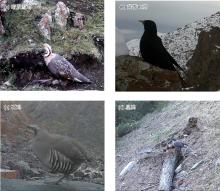
图2
吐哈盆地红外相机拍摄的部分鸟类照片"

表2
吐哈盆地不同生境鸟类群落多样性指数"
| 生境类型 | 物种数 | Shannon-Wiener 指数 | Simpson 指数 | Pielou均匀度指数 |
|---|---|---|---|---|
| 森林 | 65 | 3.13 | 0.92 | 0.75 |
| 草地 | 76 | 3.14 | 0.91 | 0.72 |
| 灌丛 | 36 | 1.86 | 0.71 | 0.52 |
| 农田 | 61 | 2.10 | 0.77 | 0.51 |
| 湿地 | 148 | 2.77 | 0.83 | 0.55 |
| 荒漠 | 83 | 3.70 | 0.96 | 0.84 |
| 居民区 | 59 | 2.27 | 0.79 | 0.56 |
| 全区 | 223 | 3.36 | 0.91 | 0.62 |
表3
吐哈盆地不同生境鸟类群落的相似性指数(对角线上)和共同鸟种数(对角线下)"
| 生境类型 | 森林 | 草地 | 灌丛 | 农田 | 湿地 | 荒漠 | 居民区 |
|---|---|---|---|---|---|---|---|
| 森林 | 0.34 | 0.26 | 0.37 | 0.22 | 0.26 | 0.36 | |
| 草地 | 36 | 0.30 | 0.30 | 0.28 | 0.46 | 0.35 | |
| 灌丛 | 21 | 26 | 0.37 | 0.19 | 0.28 | 0.40 | |
| 农田 | 34 | 32 | 26 | 0.26 | 0.32 | 0.52 | |
| 湿地 | 39 | 49 | 30 | 43 | 0.32 | 0.24 | |
| 荒漠 | 31 | 50 | 26 | 35 | 56 | 0.34 | |
| 居民区 | 33 | 35 | 27 | 41 | 40 | 36 |
| [1] | Dirzo R, Raven P H. Global state of biodiversity and loss[J]. Annual Review of Environment and Resources, 2003, 28(1): 137-167. |
| [2] | Mi X C, Feng G, Hu Y B, et al. The global significance of biodiversity science in China: An overview[J]. National Science Review, 2021, 8(7): nwab032, doi: 10.1093/nsr/nwab032. |
| [3] | Michel N L, Whelan C J, Verutes G M. Ecosystem services provided by Neotropical birds[J]. Condor, 2020, 122(3): duaa200, doi: 10.1093/condor/duaa022. |
| [4] | 杨晓星, 李少斌, 陈天恩, 等. 白龟湖自然保护区冬季鸟类多样性分析[J]. 生态与农村环境学报, 2023, 39(1): 90-96. |
| [Yang Xiaoxing, Li Shaobin, Chen Tianen, et al. Bird diversity of Baigui Lake Natural Reserve in winter[J]. Journal of Ecology and Rural Environment, 2023, 39(1): 90-96.] | |
| [5] | Tscharntke T, Batáry P. Agriculture, urbanization, climate, and forest change drive bird declines[J]. Proceedings of the National Academy of Sciences of the United States of America, 2023, 120(22): e2305216120, doi: 10.1073/pnas.2305216120. |
| [6] | 冯琳, 尹林克. 哈密地区特色野生木本植物商业价值评估[J]. 天津农业科学, 2017, 23(6): 57-60. |
| [Feng Lin, Yin Linke. Assessment on commercial value of special wild forest tree germplasm resources in Hami[J]. Tianjin Agricultural Sciences, 2017, 23(6): 57-60.] | |
| [7] | 张道远, 管开云, 康晓珊, 等. 干旱区植物种质资源保育及伊犁-吐鲁番国家植物园建设构想[J]. 风景园林, 2023, 30(2): 34-39. |
| [Zhang Daoyuan, Guan Kaiyun, Kang Xiaoshan, et al. Conservation of plant germplasm resources in arid areas and construction of Yili-Turpan National Botanical Garden[J]. Landscape Architecture, 2023, 30(2): 34-39.] | |
| [8] | 成进, 汪萍, 夏俊, 等. 新疆主要野生鸟类的生态环境、迁徙路线及其对禽流感发生与流行的影响[J]. 动物医学进展, 2013, 34(7): 108-111. |
| [Cheng Jin, Wang Ping, Xia Jun, et al. Acological environment and migration route of wild birds in Xinjiang and their effects on occurrence and epidemic of avian influenza[J]. Progress in Veterinary Medicine, 2013, 34(7): 108-111.] | |
| [9] | 马鸣. 新疆鸟类分布名录[M]. 2版. 北京: 科学出版社, 2011. |
| [Ma Ming. A checklist on the distribution of the birds in Xinjiang[M]. 2nd ed. Beijing: Science Press, 2011.] | |
| [10] | Li X Y, Liang L, Gong P, et al. Bird watching in China reveals bird distribution changes[J]. Chinese Science Bulletin, 2013, 58(6): 649-656. |
| [11] | 袁国映. 新疆野生动物[M]. 乌鲁木齐: 新疆人民出版社, 1987. |
| [Yuan Guoying. Wild animals in Xinjiang[M]. Urumqi: Xinjiang People's Publishing House, 1987.] | |
| [12] | 梁崇岐. 新疆珍贵动物图谱[M]. 北京: 中国林业出版社, 1986. |
| [Liang Chongqi. Atlas of rare animals in Xinjiang[M]. Beijing: China Forestry Publishing House, 1986.] | |
| [13] | 夏训诚. 罗布泊科学考察与研究[M]. 北京: 科学出版社, 1987. |
| [Xia Xuncheng. Scientific investigation and research of Lop Nur[M]. Beijing: Science Press, 1987.] | |
| [14] | 李都. 中国新疆野生动物[M]. 乌鲁木齐: 新疆青少年出版社, 2000. |
| [Li Dou. Wild life in Xinjiang, China[M]. Urumqi: Xinjiang Juvenile Publishing House, 2000.] | |
| [15] | 梅宇, 马鸣, Dwixon Andre, 等. 中国西部电网电击猛禽致死事故调查[J]. 动物学杂志, 2008, 43(4): 114-117. |
| [Mei Yu, Ma Ming, Dwixon Andre, et al. Investigation on raptor of electrocution along power lines in the western China[J]. Chinese Journal of Zoology, 2008, 43(4): 114-117.] | |
| [16] | 杜利民, 马鸣. 黄爪隼和红隼的繁殖习性记录[J]. 四川动物, 2013, 32(5): 766-769. |
| [Du Limin, Ma Ming. Habit difference of lesser kestrel and common kestrel during breeding season[J]. Sichuan Journal of Zoology, 2013, 32(5): 766-769.] | |
| [17] |
支东明, 李建忠, 陈旋, 等. 吐哈盆地油气勘探新领域、新类型及资源潜力[J]. 石油学报, 2023, 44(12): 2122-2140.
doi: 10.7623/syxb202312008 |
|
[Zhi Dongming, Li Jianzhong, Chen Xuan, et al. New fields, new types and resource potentials of oil-gas exploration in Tuha Basin[J]. Acta Petrolei Sinica, 2023, 44(12): 2122-2140.]
doi: 10.7623/syxb202312008 |
|
| [18] | 冶永新, 杜丽娟, 张宝忠, 等. 吐鲁番及周边地区气候及径流演变特征分析[J]. 水资源与水工程学报, 2014, 25(6): 61-67. |
| [Ye Yongxin, Du Lijuan, Zhang Baozhong, et al. Analysis on feature of climate and runoff evolution in Turpan and its surrounding areas[J]. Journal of Water Resources and Water Engineering, 2014, 25(6): 61-67.] | |
| [19] | Shao W, Li L, Yan M, et al. Thirty years' spatio-temporal evolution of desertification degrees and driving factors in Turpan-Hami Basin, Xinjiang, China[J]. Ecological Indicators, 2024, 166: 112484, doi: 10.1016/j.ecolind.2024.112484. |
| [20] |
王芳, 李炳元, 田思雨, 等. 中国生态地理区划更新和优化[J]. 地理学报, 2024, 79(1): 3-16.
doi: 10.11821/dlxb202401001 |
|
[Wang Fang, Li Bingyuan, Tian Siyu, et al. Updated scheme for eco-geographical regionalition in China[J]. Acta Geographica Sinica, 2024, 79(1): 3-16.]
doi: 10.11821/dlxb202401001 |
|
| [21] |
郭柯, 方精云, 王国宏, 等. 中国植被分类系统修订方案[J]. 植物生态学报, 2020, 44(2): 111-127.
doi: 10.17521/cjpe.2019.0271 |
|
[Guo Ke, Fang Jingyun, Wang Guohong, et al. A revised scheme of vegetation classification system of China[J]. Chinese Journal of Plant Ecology, 2020, 44(2): 111-127.]
doi: 10.17521/cjpe.2019.0271 |
|
| [22] | 刘阳, 陈水华. 中国鸟类观察手册[M]. 长沙: 湖南科学技术出版社, 2021. |
| [Liu Yang, Chen Shuihua. The CNG field guide to the birds of China[M]. Changsha: Hunan Science & Technology Press, 2021.] | |
| [23] | 郑光美. 中国鸟类分类与分布名录[M]. 4版. 北京: 科学出版社, 2023. |
| [Zheng Guangmei. A checklist on the classification and distribution of the birds of China[M]. 4th ed. Beijing: Science Press, 2023.] | |
| [24] | 张荣祖. 中国动物地理[M]. 北京: 科学出版社, 2011. |
| [Zhang Rongzu. Zoogeography of China[M]. Beijing: Science Press, 2011.] | |
| [25] | 国家林业和草原局, 农业农村部. 国家重点保护野生动物名录[EB/OL]. [2021-02-01]. https://www.forestry.gov.cn/main/3457/20210205/122612568723707.html. |
| [National Forestry and Grassland Administration, Ministry of Agriculture and Rural Affairs. National list of wildlife under special protection[EB/OL]. [2021-02-01]. https://www.forestry.gov.cn/main/3457/20210205/122612568723707.html.] | |
| [26] | 陈廷贵, 张金屯. 十五个物种多样性指数的比较研究[J]. 河南科学, 1999, 17(增刊1): 55-57. |
| [Chen Tinggui, Zhang Jintun. A comparison of fifteen species diversity indices[J]. Henan Science, 1999, 17(Suppl. 1): 55-57.] | |
| [27] | Chao A, Chazdon R L, Colwell R K, et al. A new statistical approach for assessing similarity of species composition with incidence and abundance data[J]. Ecology Letters, 2005, 8(2): 148-159. |
| [28] | Qian H. Large-scale biogeographic patterns of vascular plant richness in North America: An analysis at the generic level[J]. Journal of Biogeography, 1998, 25(5): 829-836. |
| [29] | 苏宇乔, 张毅, 贾小容, 等. 几种多样性指标在森林群落分析中的应用比较[J]. 生态科学, 2017, 36(1): 132-138. |
| [Su Yuqiao, Zhang Yi, Jia Xiaorong, et al. Application of several diversity indexes in forest community analysis[J]. Ecological Science, 2017, 36(1): 132-138.] | |
| [30] | 江建平, 杜诚, 刘冰, 等. 中国生物物种编目进展与展望[J]. 生物多样性, 2022, 30(10): 106-120. |
| [Jiang Jianping, Du Cheng, Liu Bing, et al. Bio-inventory in China: Progress and perspectives[J]. Biodiversity Science, 2022, 30(10): 106-120.] | |
| [31] |
李娜, 丁晨晨, 曹丹丹, 等. 中国阿勒泰地区鸟类物种编目、丰富度格局和区系组成[J]. 生物多样性, 2020, 28(4): 401-411.
doi: 10.17520/biods.2019023 |
|
[Li Na, Ding Chenchen, Cao Dandan, et al. Avian species census, richness patterns and faunal composition in the Altay Region, China[J]. Biodiversity Science, 2020, 28(4): 401-411.]
doi: 10.17520/biods.2019023 |
|
| [32] | 张山清, 普宗朝, 宋良娈, 等. 吐鲁番地区气候变化对参考作物蒸散量的影响[J]. 中国农业气象, 2009, 30(4): 532-537. |
| [Zhang Shanqing, Pu Zongchao, Song Liangluan, et al. Effect of climate change on potential evapotranspiration in Turpan region[J]. Chinese Journal of Agrometeorology, 2009, 30(4): 532-537.] | |
| [33] | 程芸, 袁磊, 特列吾汗·巴合提, 等. 罗布泊野骆驼自然保护区植物组成及区系特征研究[J]. 干旱环境监测, 2018, 32(3): 113-118. |
| [Cheng Yun, Yuan Lei, Baheti Trewuhan, et al. Study on plant composition and floristic characteristics of the Wild Camel Nature Reserve in Lop Wild Camel Nature Reserve[J]. Arid Environmental Monitoring, 2018, 32(3): 113-118.] | |
| [34] | Wang N, Mao L F, Yang X T, et al. High plant species richness and stable climate lead to richer but phylogenetically and functionally clustered avifaunas[J]. Journal of Biogeography, 2020, 47(9): 1945-1954. |
| [35] | Wei C T, Schweizer M, Tomkovitch P, et al. Genome-wide data reveal paraphyly in the sand plover complex (Charadrius mongolus/leschenaultii)[J]. Ornithology, 2022, 139(2): ukab085, doi: 10.1093/ornithology/ukab085. |
| [36] | 袁智勇, 陈进民, 吴云鹤, 等. 云南省两栖类物种名录修订[J]. 生物多样性, 2022, 30(4): 154-170. |
| [Yuan Zhiyong, Chen Jinmin, Wu Yunhe, et al. Revision of the list of amphibian species in Yunnan Province[J]. Biodiversity Science, 2022, 30(4): 154-170.] | |
| [37] | Weeks B C, O'Brien B K, Chu J J, et al. Morphological adaptations linked to flight efficiency and aerial lifestyle determine natal dispersal distance in birds[J]. Functional Ecology, 2022, 36(7): 1681-1689. |
| [38] | 王音明, 刘枫, 马鸣, 等. 新疆鸟类新纪录——白腹鹞(Circus spilonotus)[J]. 干旱区地理, 2015, 38(5): 1085-1086. |
| [Wang Yinming, Liu Feng, Ma Ming, et al. Eastern Marsh Harrier Circus spilonotus, a new record of bird from Xinjiang[J]. Arid Land Geography, 2015, 38(5): 1085-1086.] | |
| [39] |
Taheri S, García-Callejas D, Araújo M B. Discriminating climate, land-cover and random effects on species range dynamics[J]. Global Change Biology, 2021, 27(6): 1309-1317.
doi: 10.1111/gcb.15483 pmid: 33314537 |
| [40] |
Naimi B, Capinha C, Ribeiro J, et al. Potential for invasion of traded birds under climate and land-cover change[J]. Global Change Biology, 2022, 28(19): 5654-5666.
doi: 10.1111/gcb.16310 pmid: 35849042 |
| [41] | Ferger S W, Schleuning M, Hemp A, et al. Food resources and vegetation structure mediate climatic effects on species richness of birds[J]. Global Ecology and Biogeography, 2014, 23(5): 541-549. |
| [42] | Kroeger S B, Hanslin H M, Lennartsson T, et al. Impacts of roads on bird species richness: A meta-analysis considering road types, habitats and feeding guilds[J]. Science of the Total Environment, 2022, 812: 151478, doi: 10.1016/j.scitotenv.2021.151478. |
| [43] | 刘亮, 任世昌, 薛挺, 等. 基于Shannon-Wiener指数的艾丁湖流域植被分布及物种多样性研究[J]. 地下水, 2020, 42(4): 120-123. |
| [Liu Liang, Ren Shichang, Xue Ting, et al. Vegetation distribution and species diversity in lake aiding basin based on Shannon-Wiener index[J]. Ground Water, 2020, 42(4): 120-123.] | |
| [44] | 宗召磊, 周华荣, 冯滌成, 等. 新疆灌木地景观生态分类初探[J]. 干旱区研究, 2015, 32(1): 168-175. |
| [Zong Zhaolei, Zhou Huarong, Feng Dicheng, et al. Classification of shrubland landscapes in Xinjiang[J]. Arid Zone Research, 2015, 32(1): 168-175.] | |
| [45] |
张齐飞, 陈亚宁, 孙从建, 等. 塔里木河流域水储量变化及绿洲生态安全评估[J]. 干旱区地理, 2024, 47(1): 1-14.
doi: 10.12118/j.issn.1000-6060.2023.247 |
|
[Zhang Qifei, Chen Yaning, Sun Congjian, et al. Changes in terrestrial water storage and evaluation of oasis ecological security in the Tarim River Basin[J]. Arid Land Geography, 2024, 47(1): 1-14.]
doi: 10.12118/j.issn.1000-6060.2023.247 |
|
| [46] |
马丽娜, 张飞云, 翟玉鑫, 等. 1980—2020年新疆土地利用变化下生态系统服务价值时空演变分析[J]. 干旱区地理, 2023, 46(2): 253-263.
doi: 10.12118/j.issn.1000-6060.2022.202 |
| [Ma Li'na, Zhang Feiyun, Zhai Yuxin, et al. Temporal and spatial evolution of ecosystem service value under land use change in Xinjiang from 1980 to 2020[J]. Arid Land Geography, 2023, 46(2): 253-263.] | |
| [47] | Pool D B, Panjabi A O, Macias-Duarte A, et al. Rapid expansion of croplands in Chihuahua, Mexico threatens declining North American grassland bird species[J]. Biological Conservation, 2014, 170: 274-281. |
| [48] | 李梦怡, 邓铭江, 凌红波, 等. 新疆绿洲格局变化与生态耗水结构分析[J]. 水科学进展, 2023, 34(5): 719-730. |
| [Li Mengyi, Deng Mingjiang, Ling Hongbo, et al. Analysis on the change of oasis pattern and ecological water consumption structure in Xinjiang[J]. Advances in Water Science, 2023, 34(5): 719-730.] | |
| [49] | 马鸣, 陈文杰, 李都, 等. 鸟类对新疆农区的危害评估和预防探讨[J]. 动物学杂志, 2022, 57(1): 19-28. |
| [Ma Ming, Chen Wenjie, Li Dou, et al. Assessment and prevention of the bird damage in the agricultural areas of Xinjiang, the northwest of China[J]. Chinese Journal of Zoology, 2022, 57(1): 19-28.] | |
| [50] | 张尚明玉, 何兴成, 王燕, 等. 都江堰地区繁殖期鸟类多样性[J]. 生物多样性, 2022, 30(3): 90-98. |
| [Zhang Shangmingyu, He Xing-cheng, Wang Yan, et al. Diversity of birds in breeding season of Dujiangyan[J]. Biodiversity Science, 2022, 30(3): 90-98.] | |
| [51] |
邓铭江, 明波, 李研, 等. “双碳”目标下新疆能源系统绿色转型路径[J]. 自然资源学报, 2022, 37(5): 1107-1122.
doi: 10.31497/zrzyxb.20220501 |
|
[Deng Mingjiang, Ming Bo, Li Yan, et al. Pathways towards a cleaner energy system for Xinjiang under carbon peak and carbon neutrality goals[J]. Journal of Natural Resources, 2022, 37(5): 1107-1122.]
doi: 10.31497/zrzyxb.20220501 |
|
| [52] | Cohn J P. How ecofriendly are wind farms?[J]. Bioscience, 2008, 58(7): 576-578. |
| [1] | 韩楚翘, 郑江华, 王哲, 于雯婕. 基于PLUS-InVEST模型吐哈盆地陆地生态系统碳储量时空变化及多情景模拟[J]. 干旱区地理, 2024, 47(2): 260-269. |
| [2] | 郝韵,吴淼,王语懿,段光正. 乌兹别克斯坦生物多样性保护及合作建议[J]. 干旱区地理, 2023, 46(3): 428-436. |
| [3] | 万华伟,张志如,夏霖,刘玉平,侯鹏,孙晨曦,金岩丽. 1980—2015年西北地区脊椎动物种群数量及生境变化分析[J]. 干旱区地理, 2021, 44(6): 1740-1749. |
| [4] | 闫虎, 王玉杰, 张会兰. 新疆巴音郭楞蒙古自治州生态敏感性分析[J]. 干旱区地理, 2015, 38(6): 1226-1233. |
| [5] | 薛俊增,边佳胤,王琼,蔡桢,朱新英,李周永,李海峰,吴惠仙. 新疆塘巴湖水库浮游植物群落组成特征[J]. 干旱区地理, 2012, 35(02): 254-259. |
|
||

